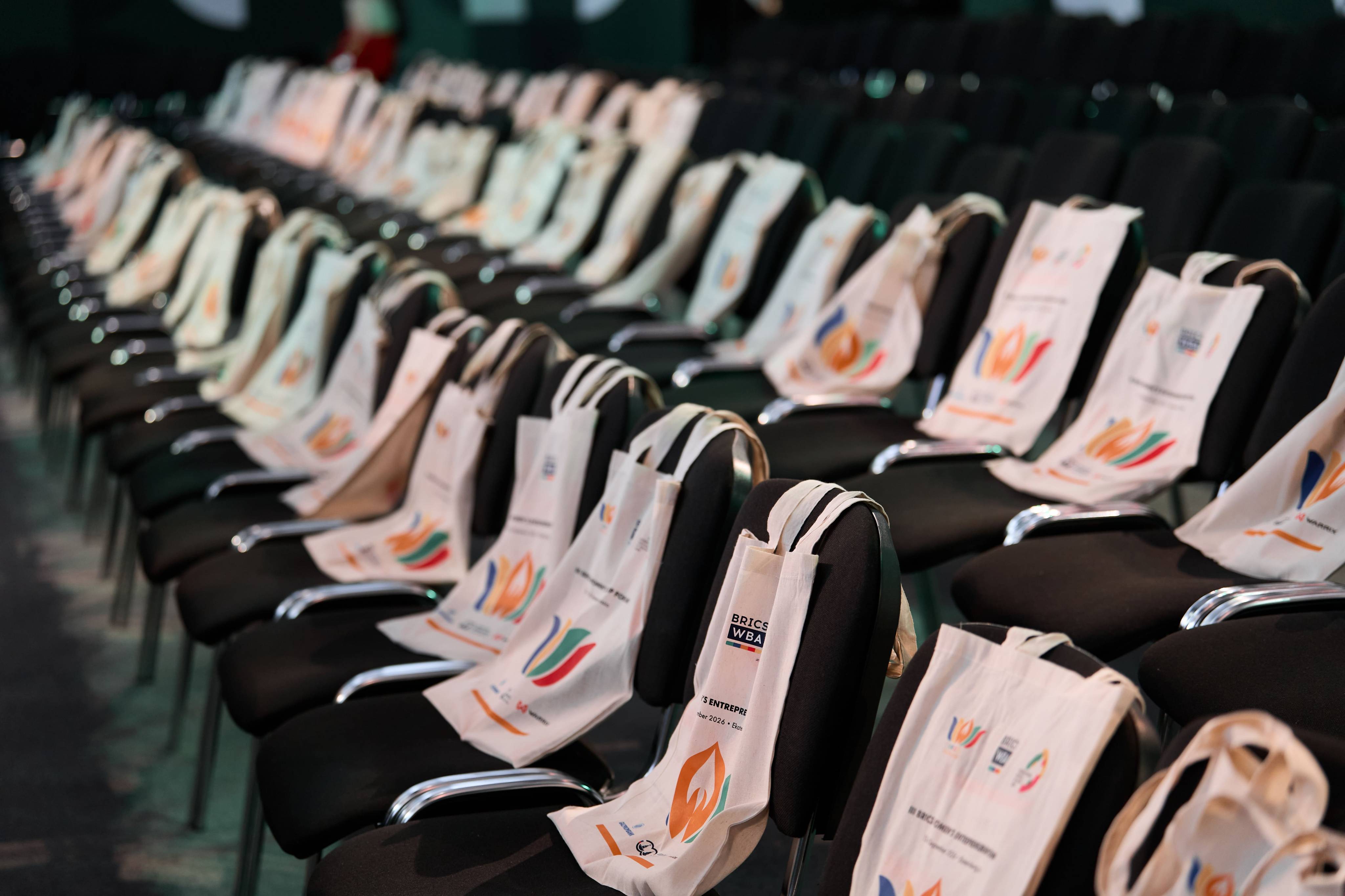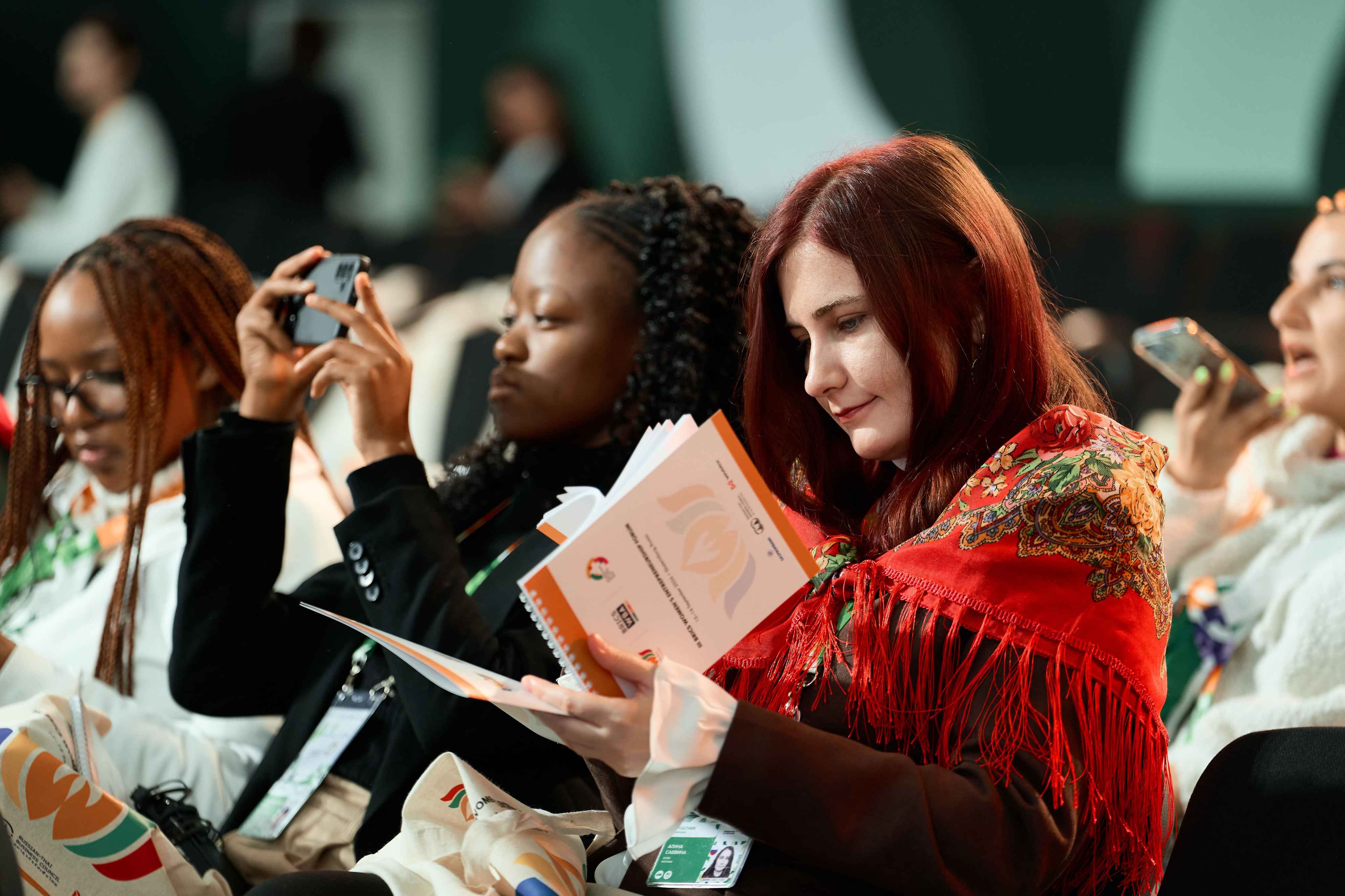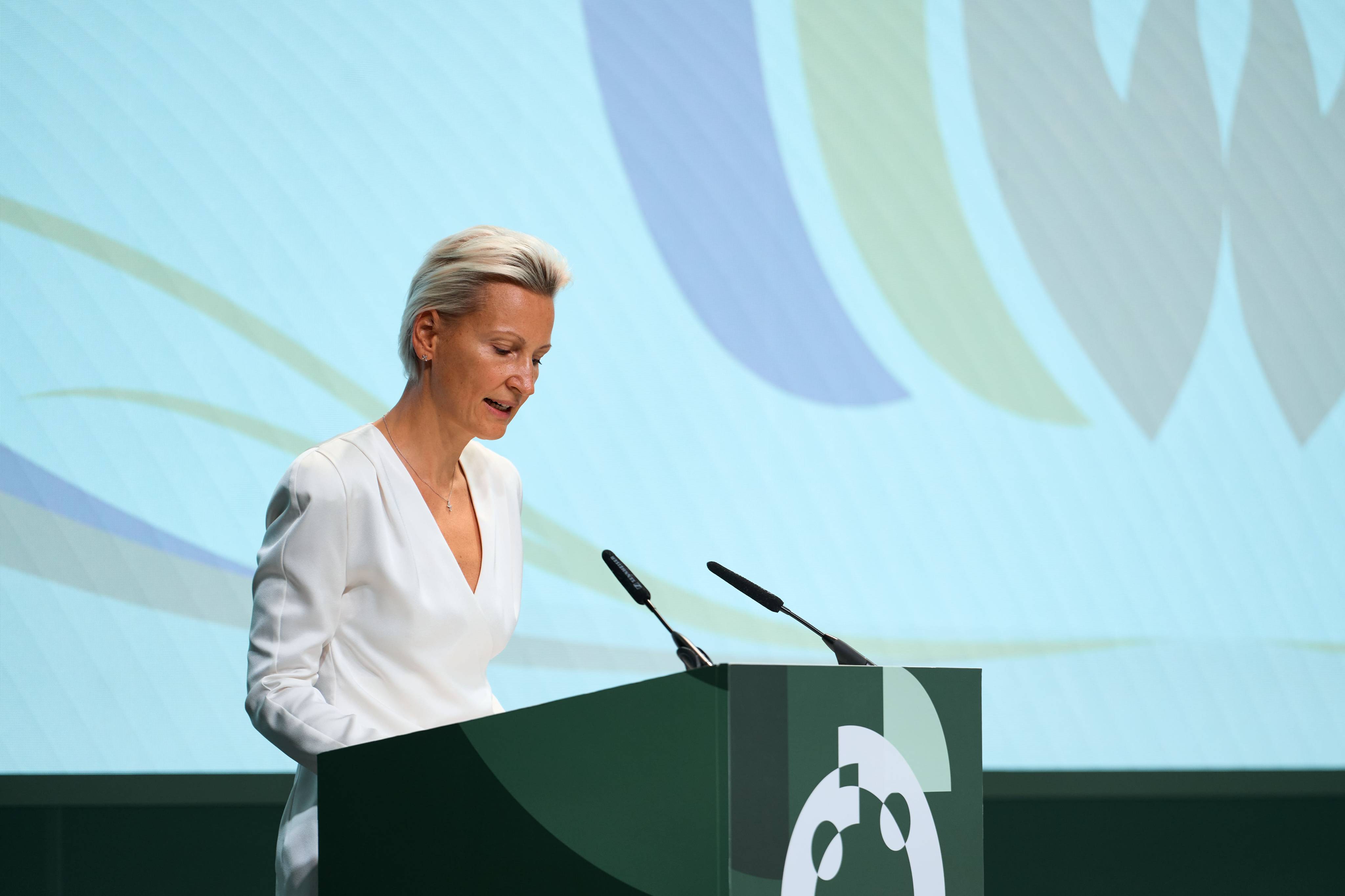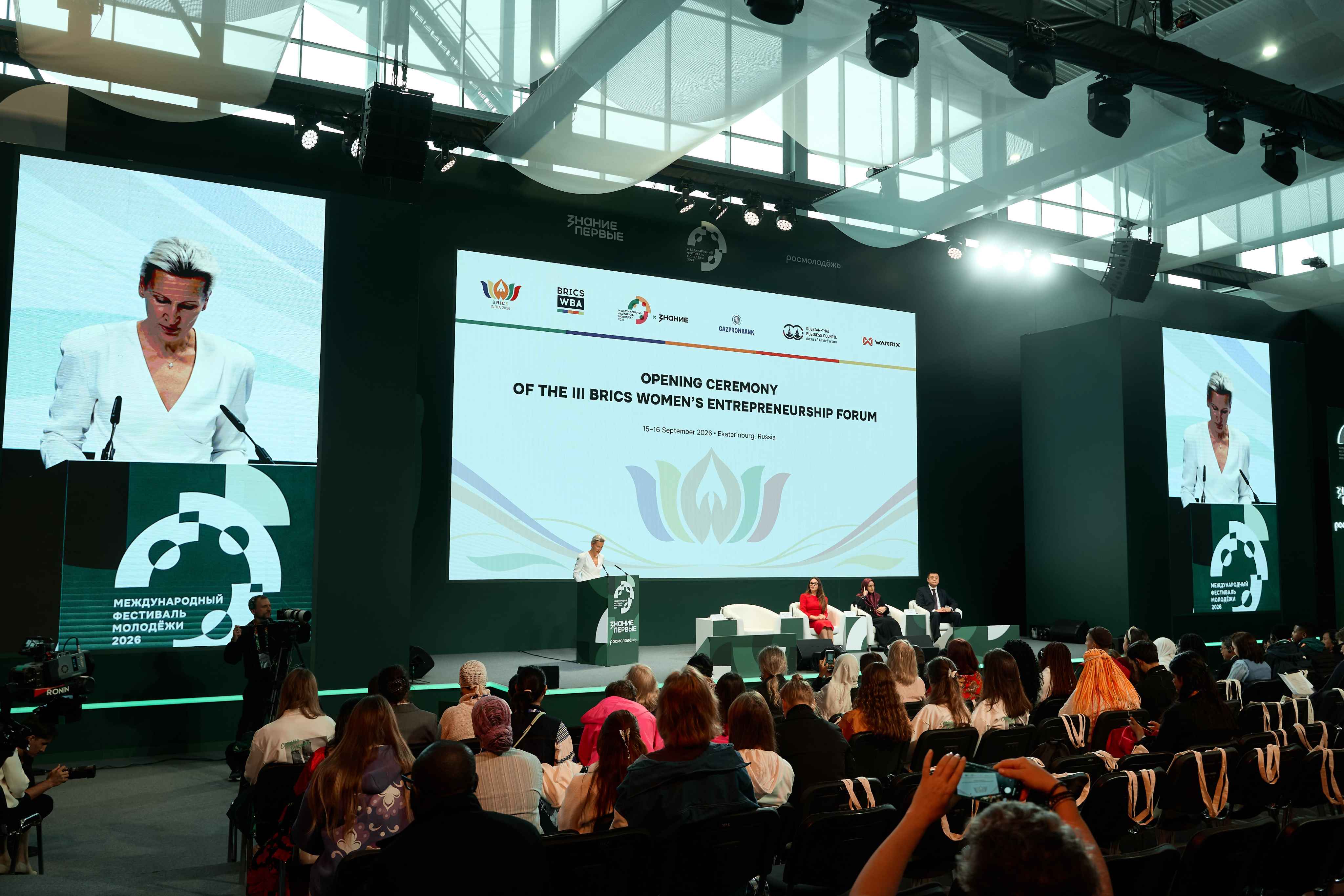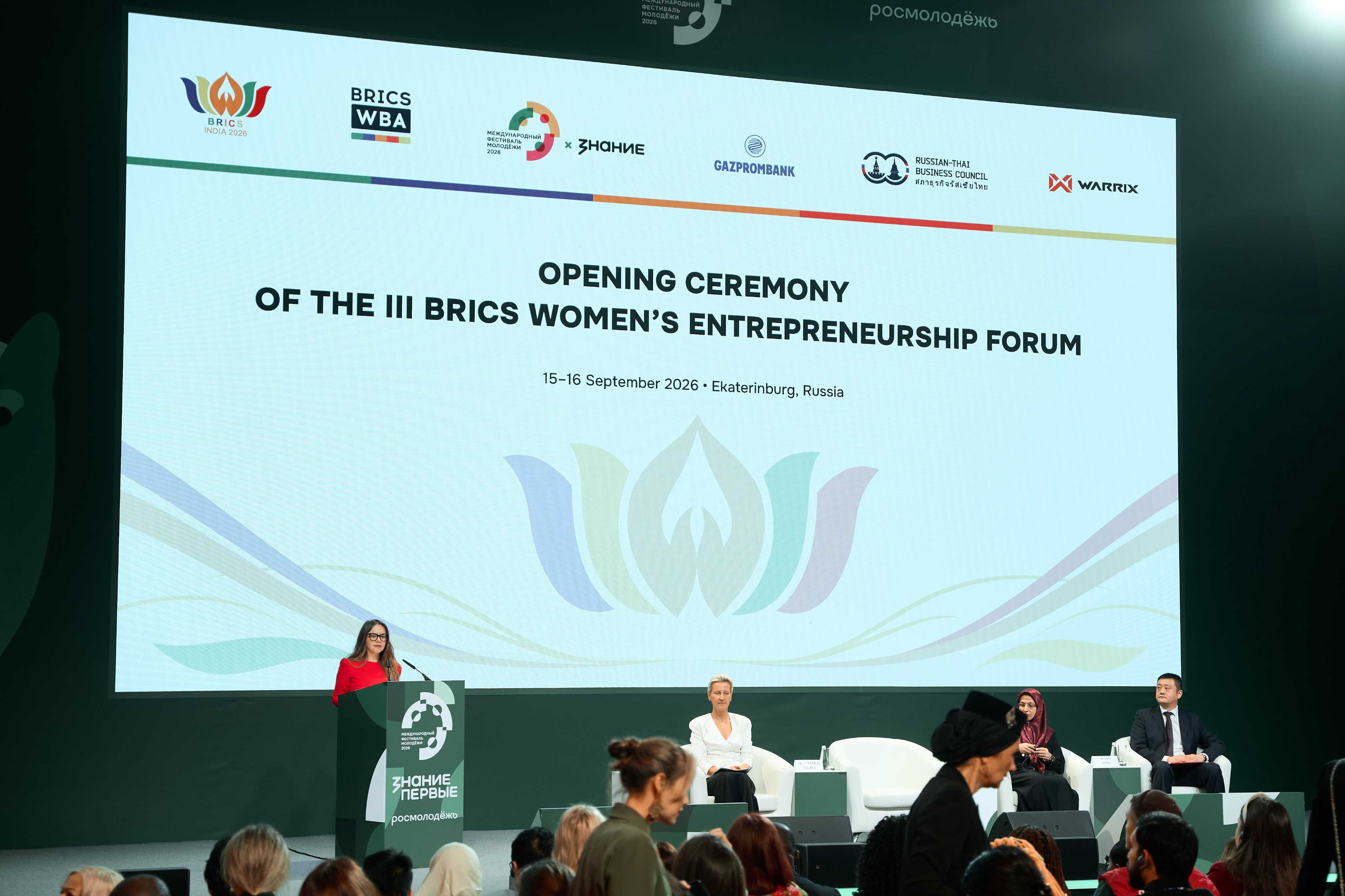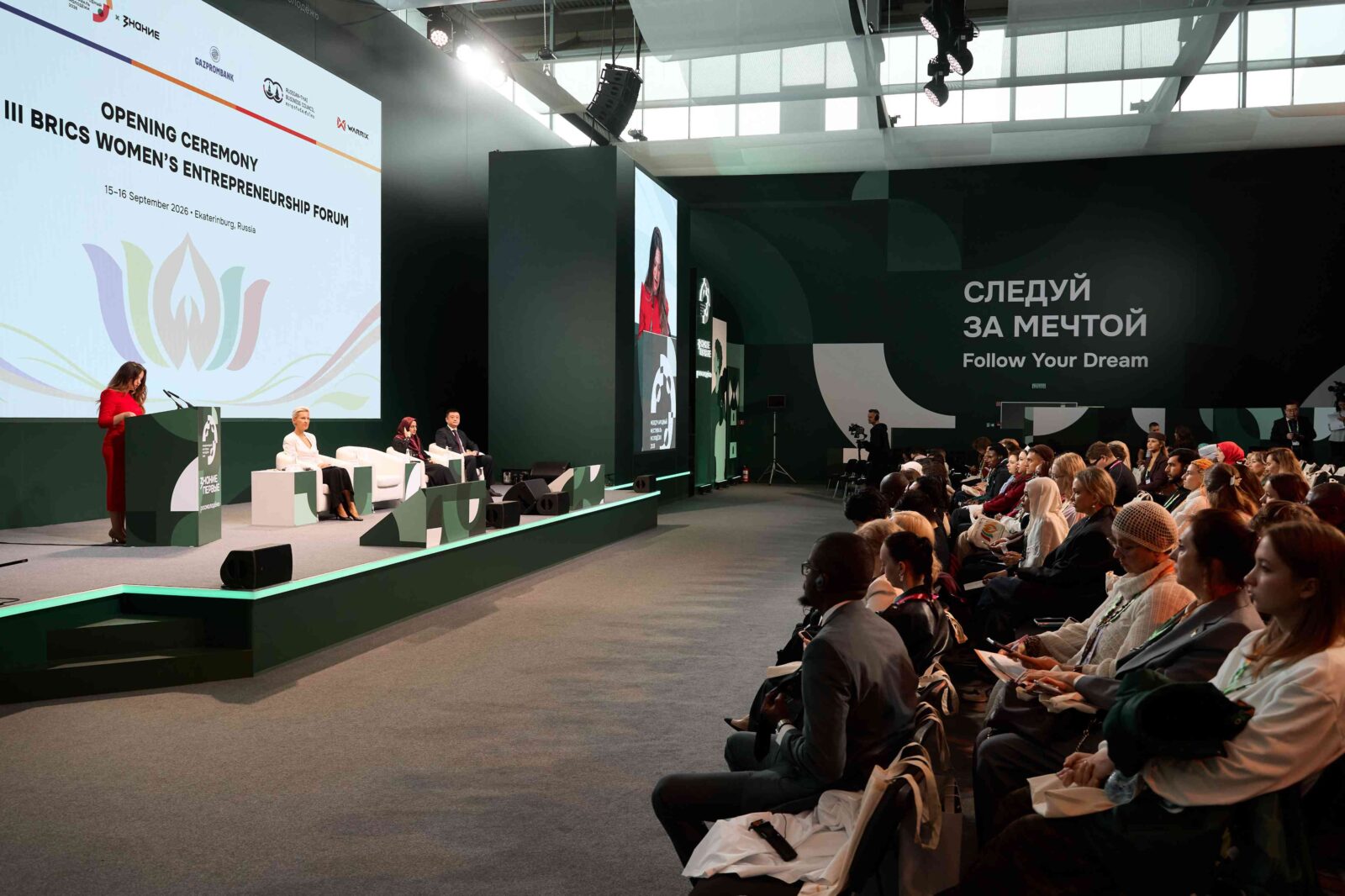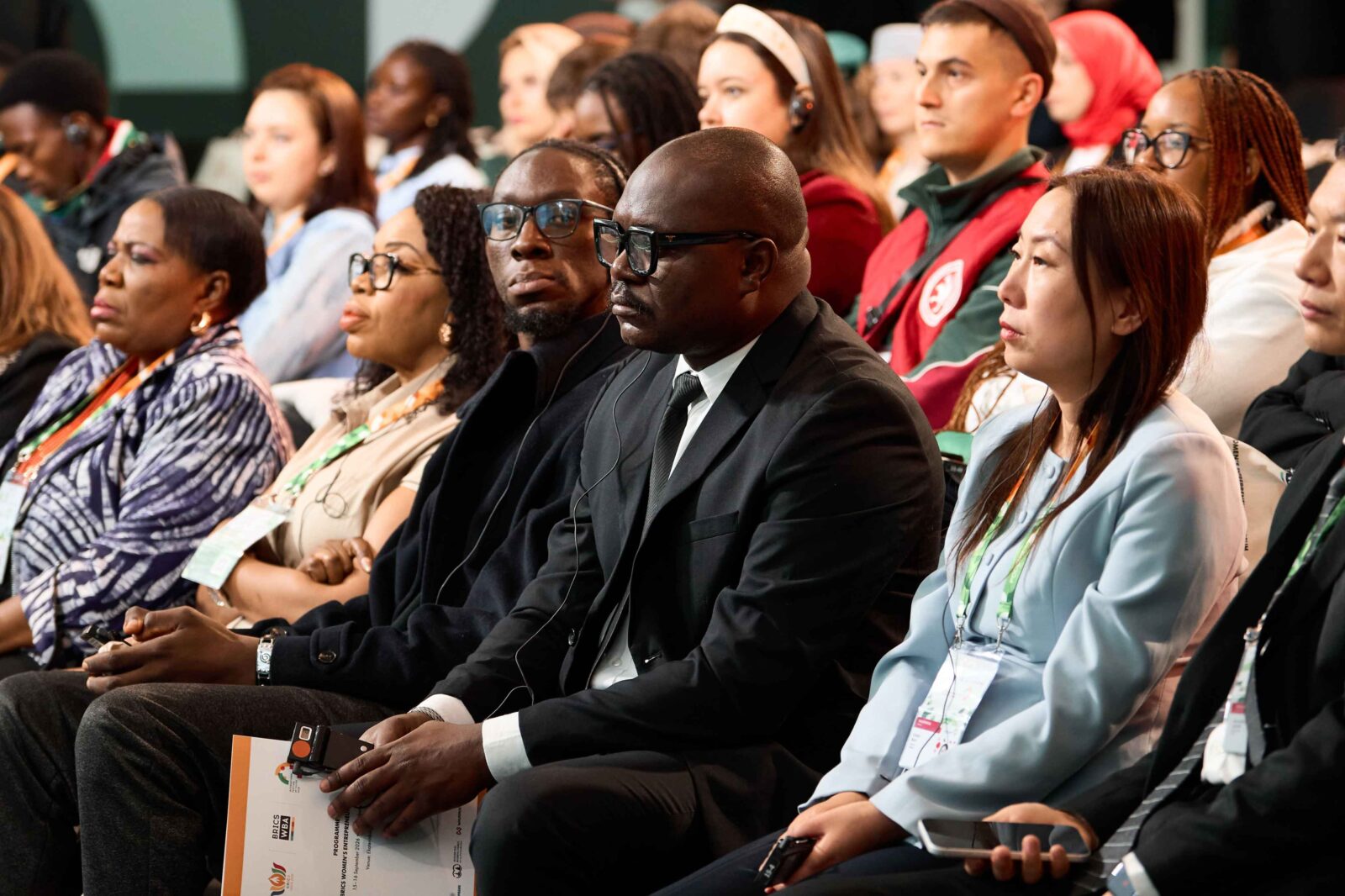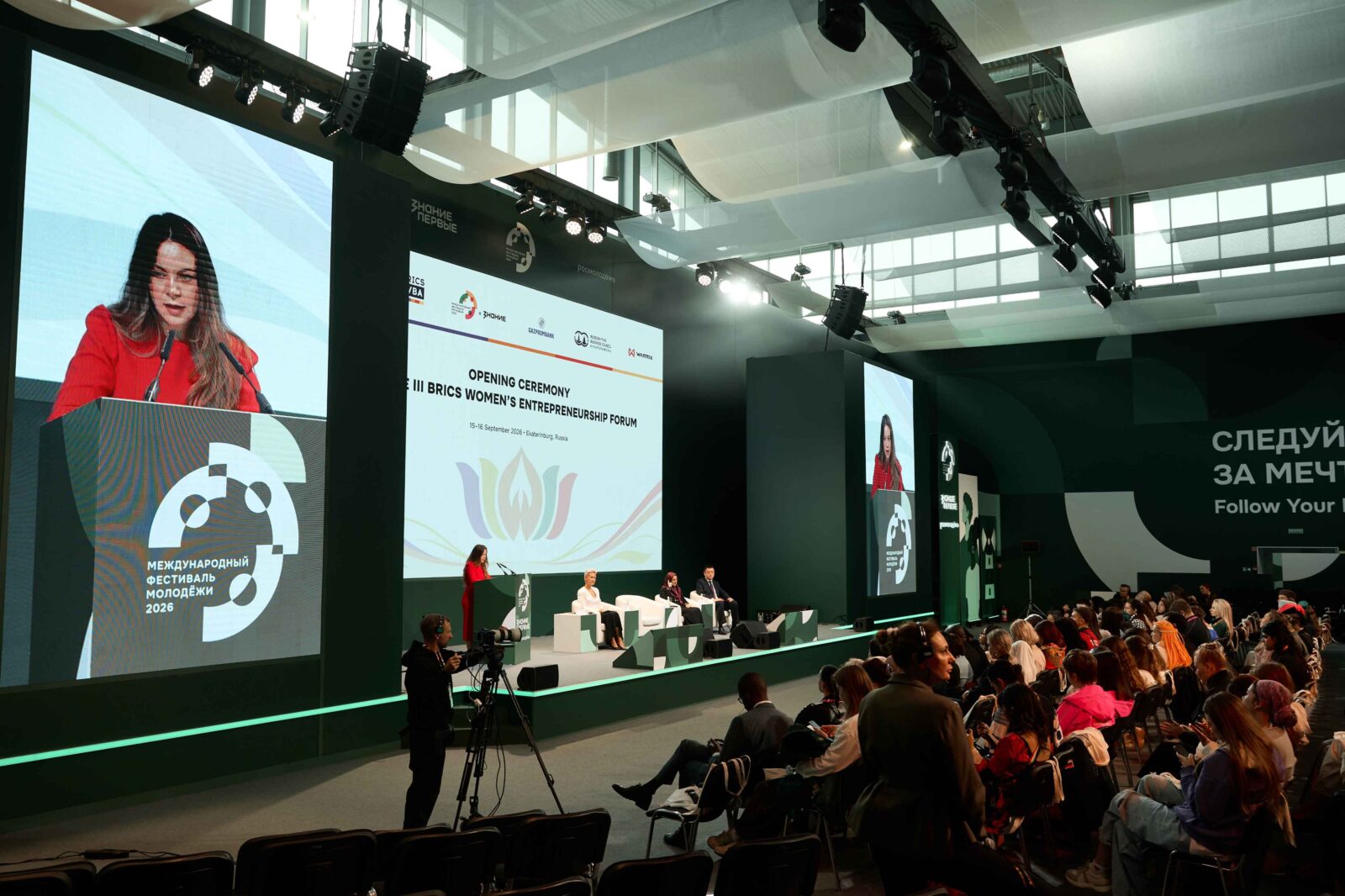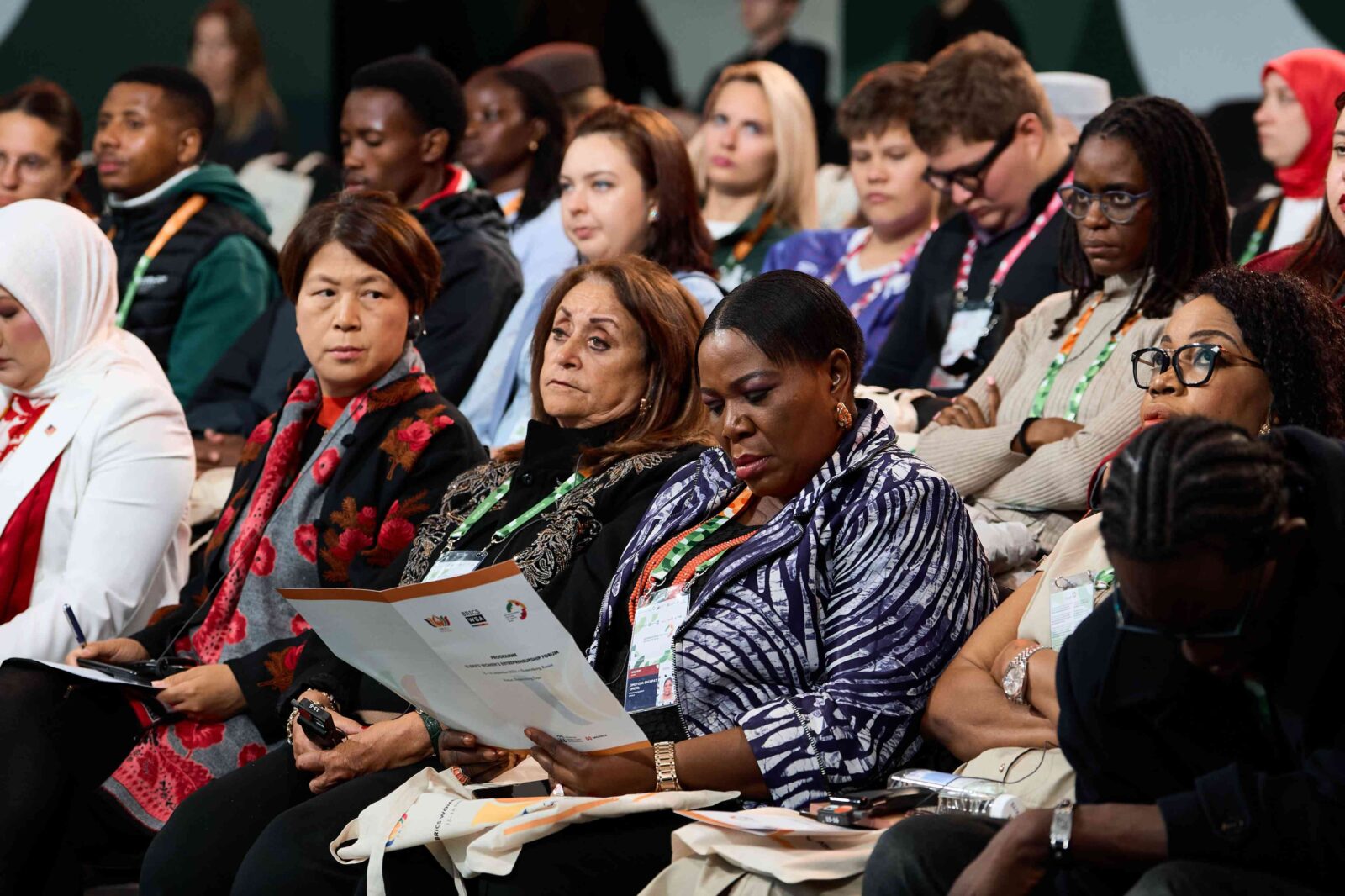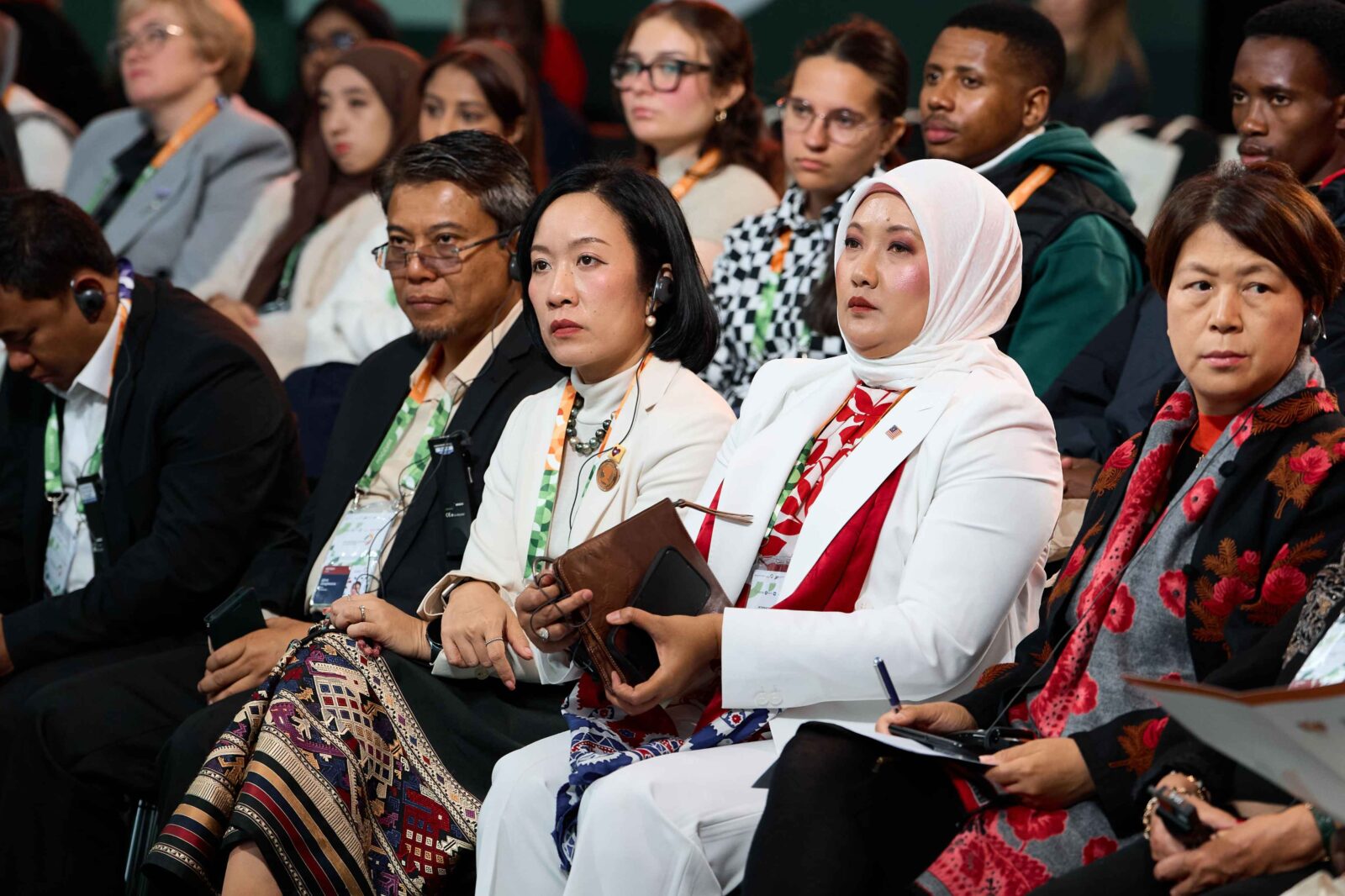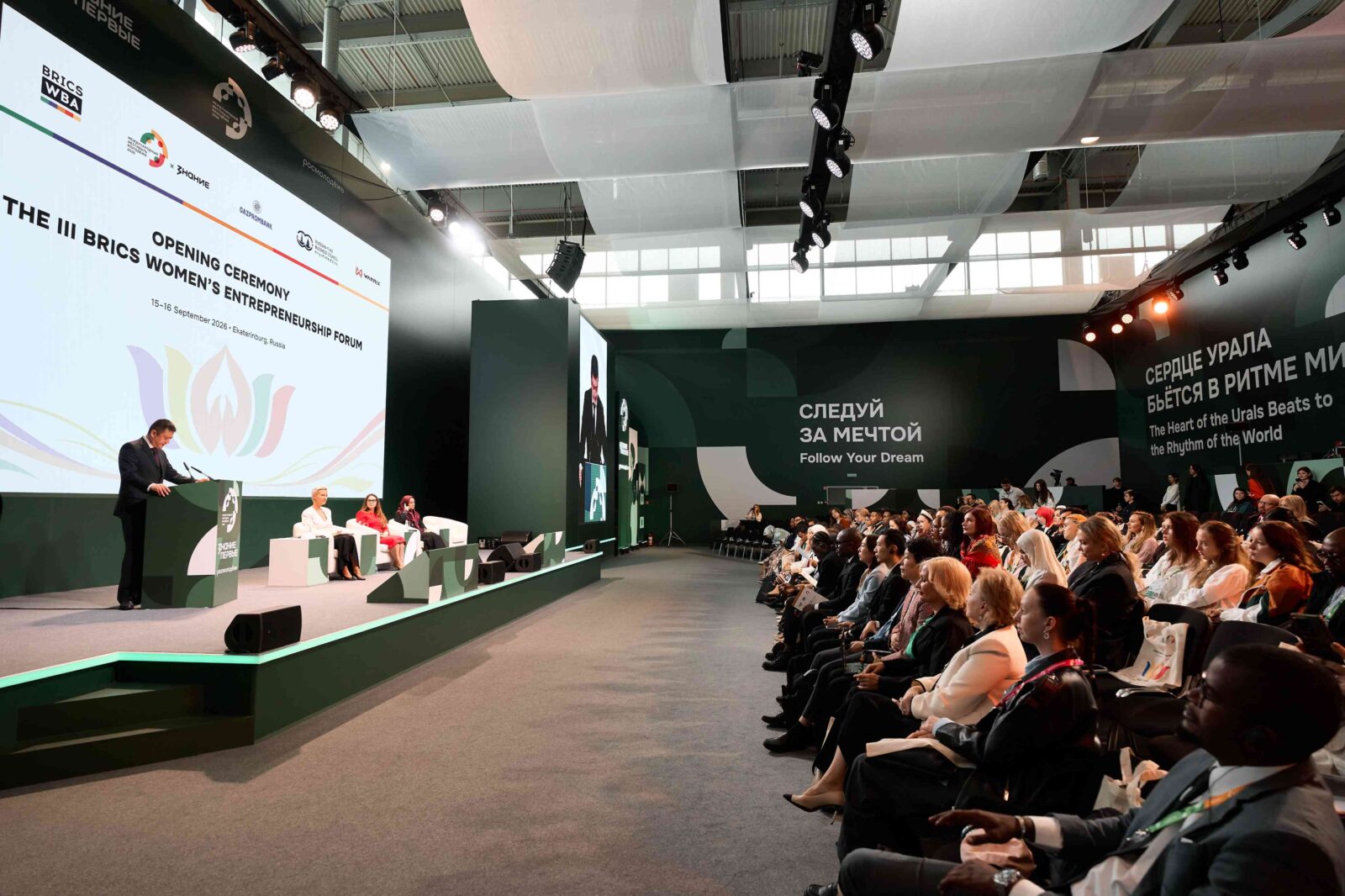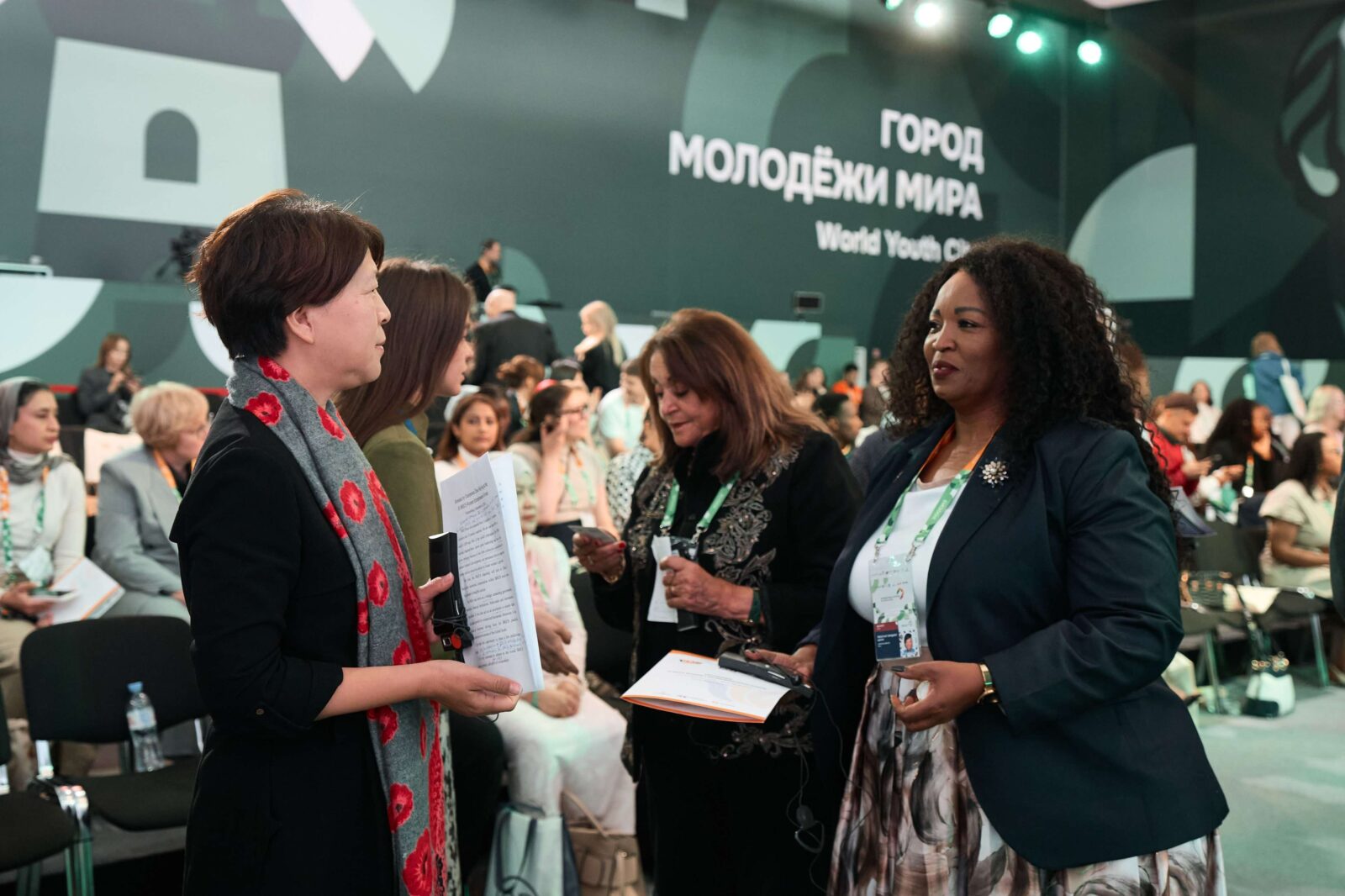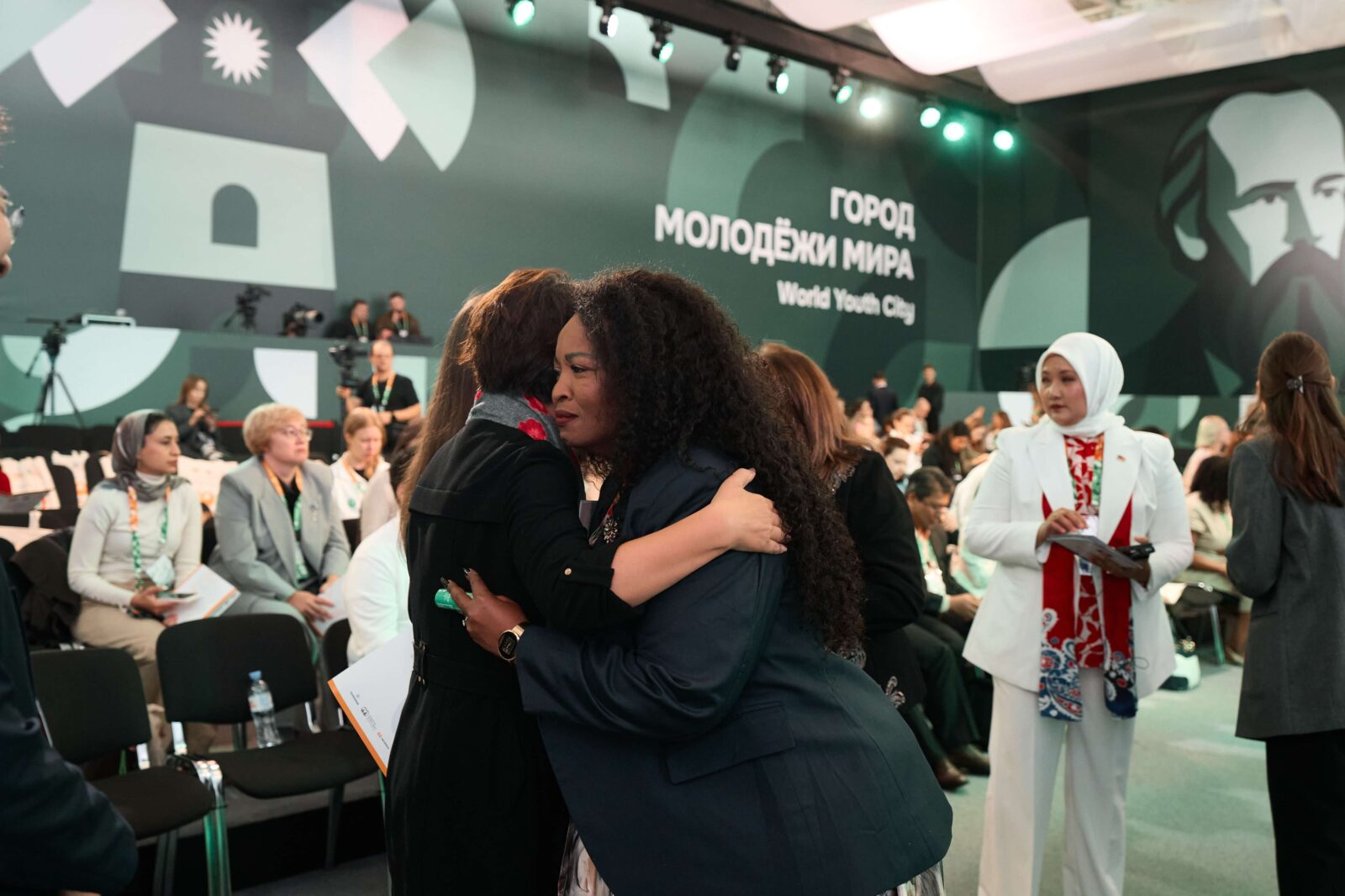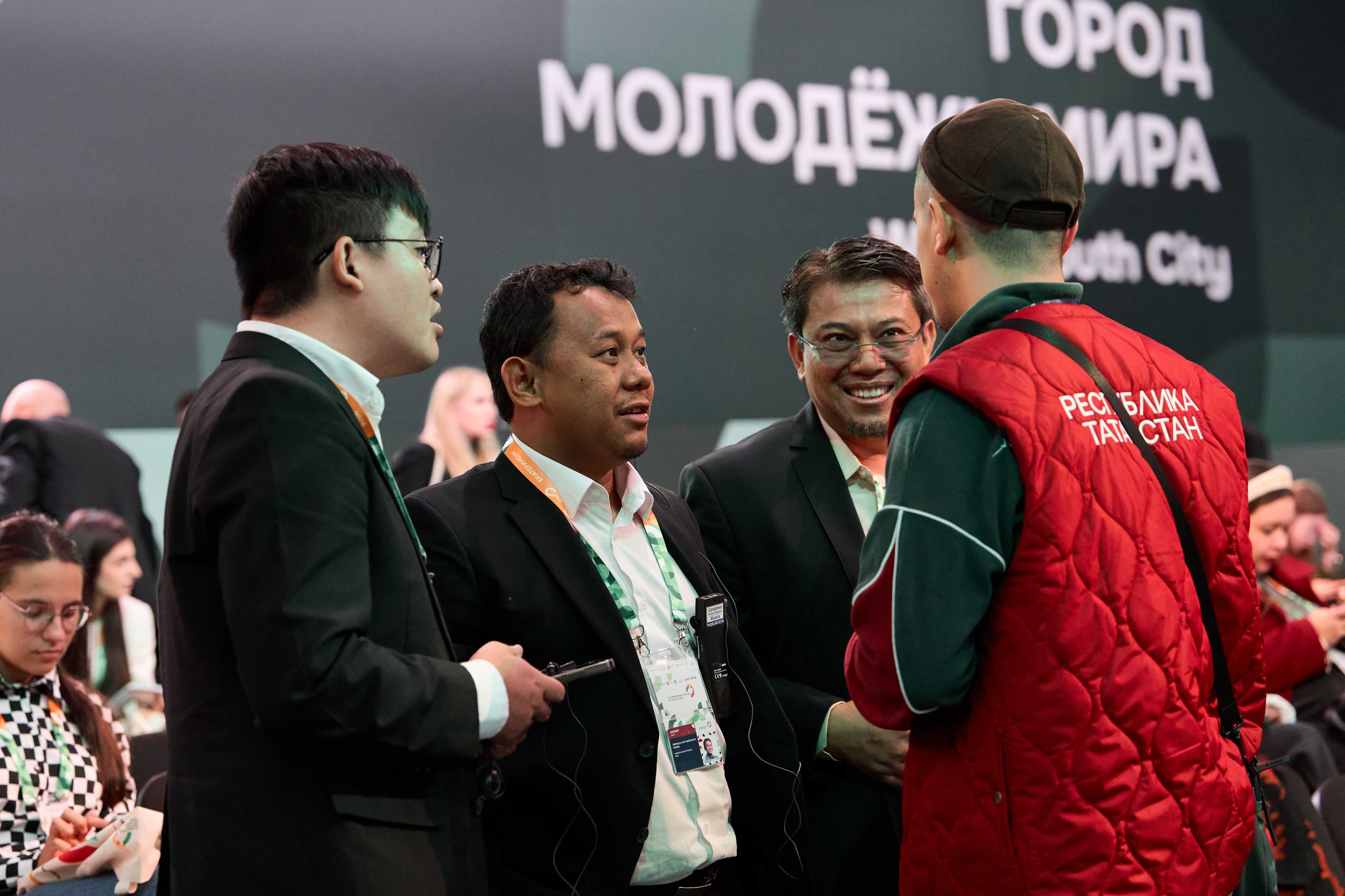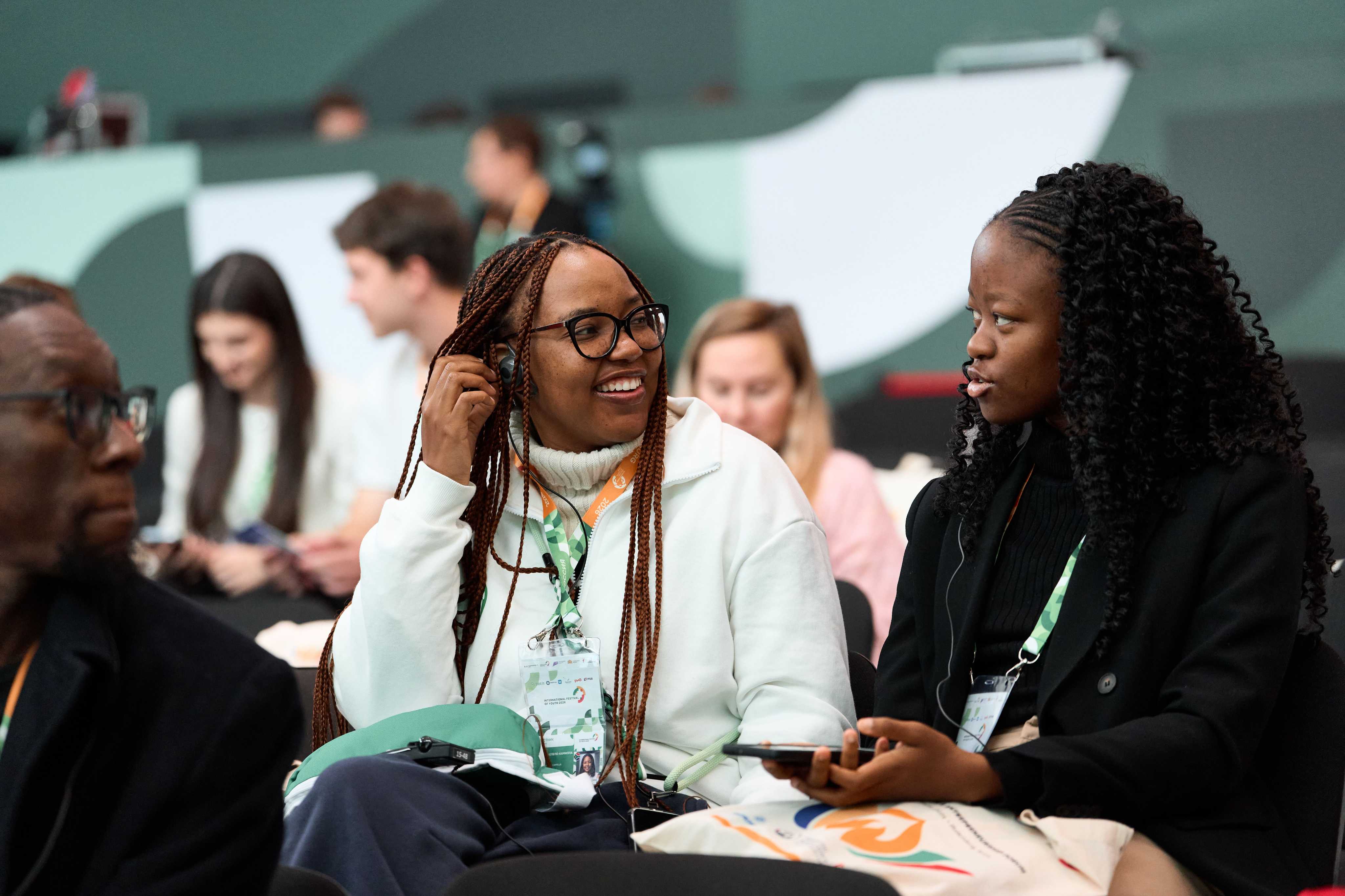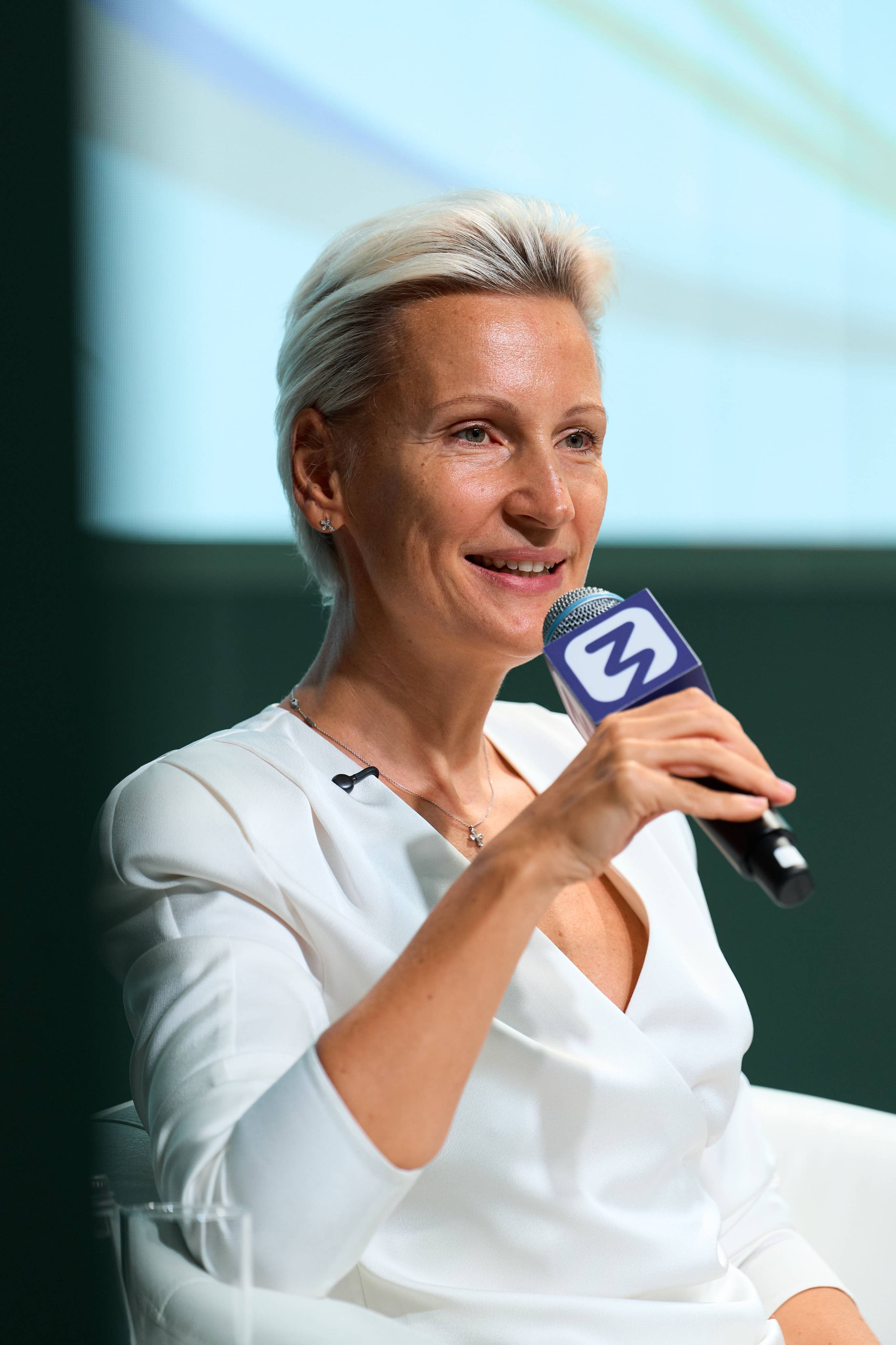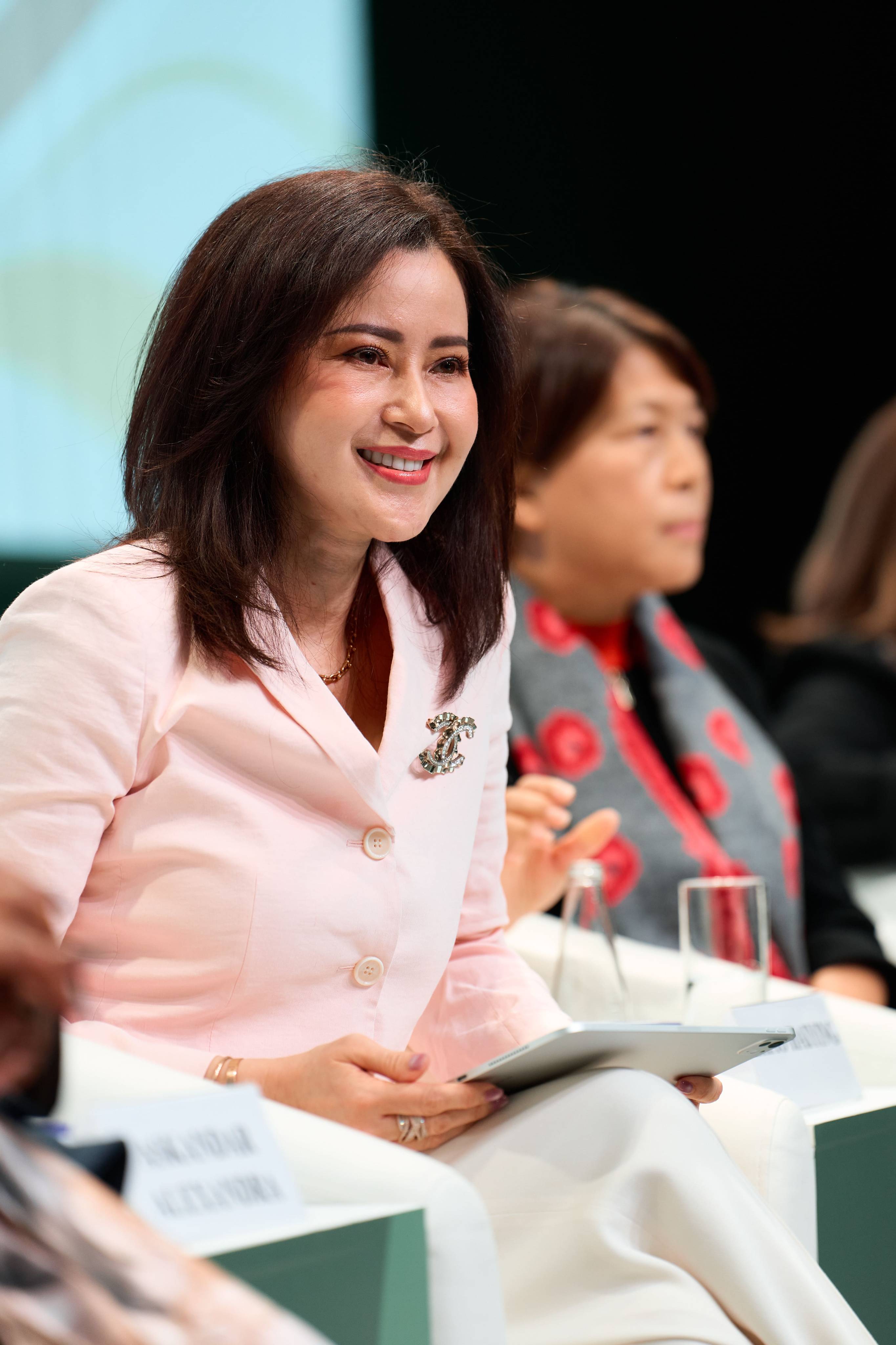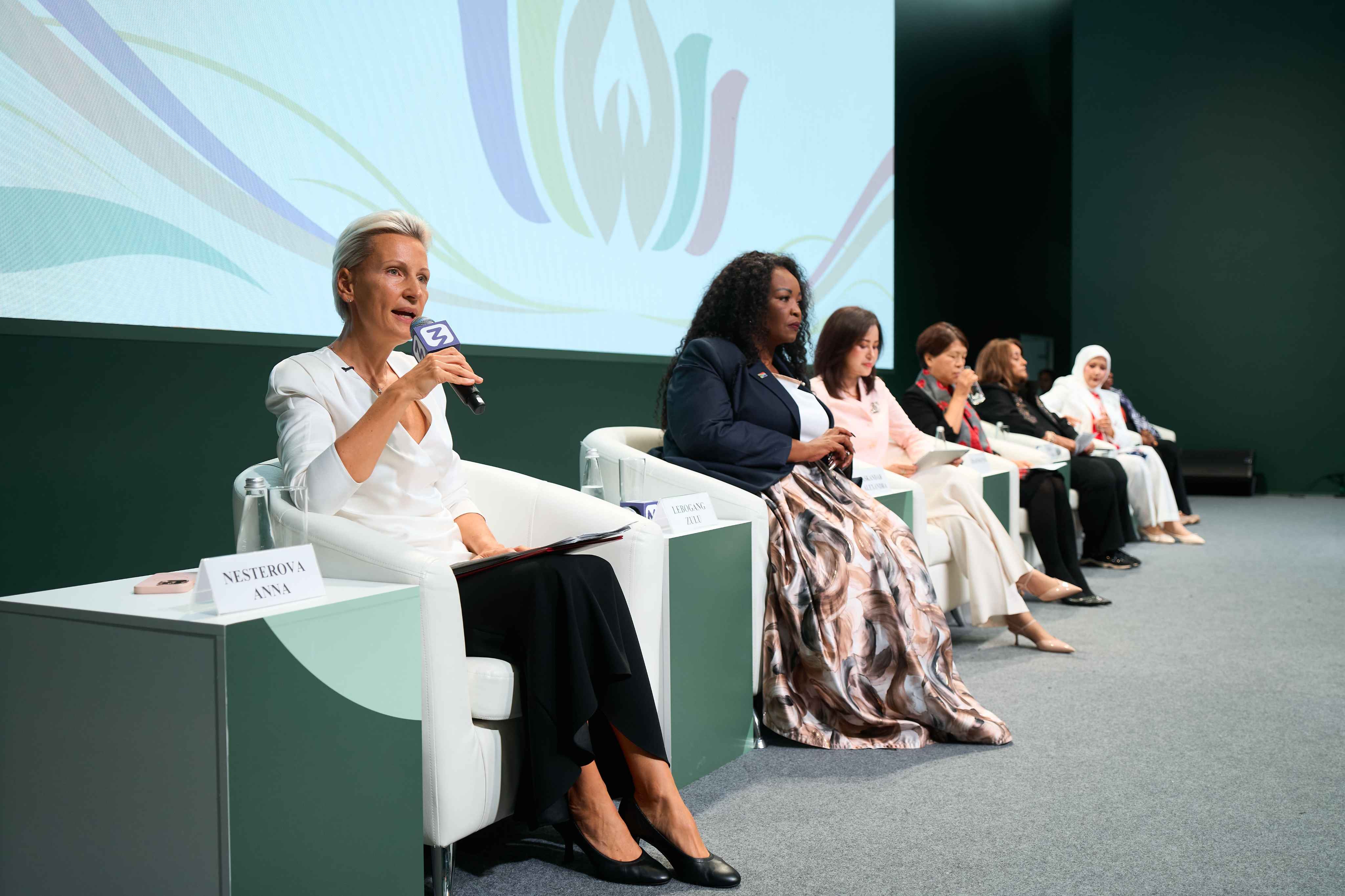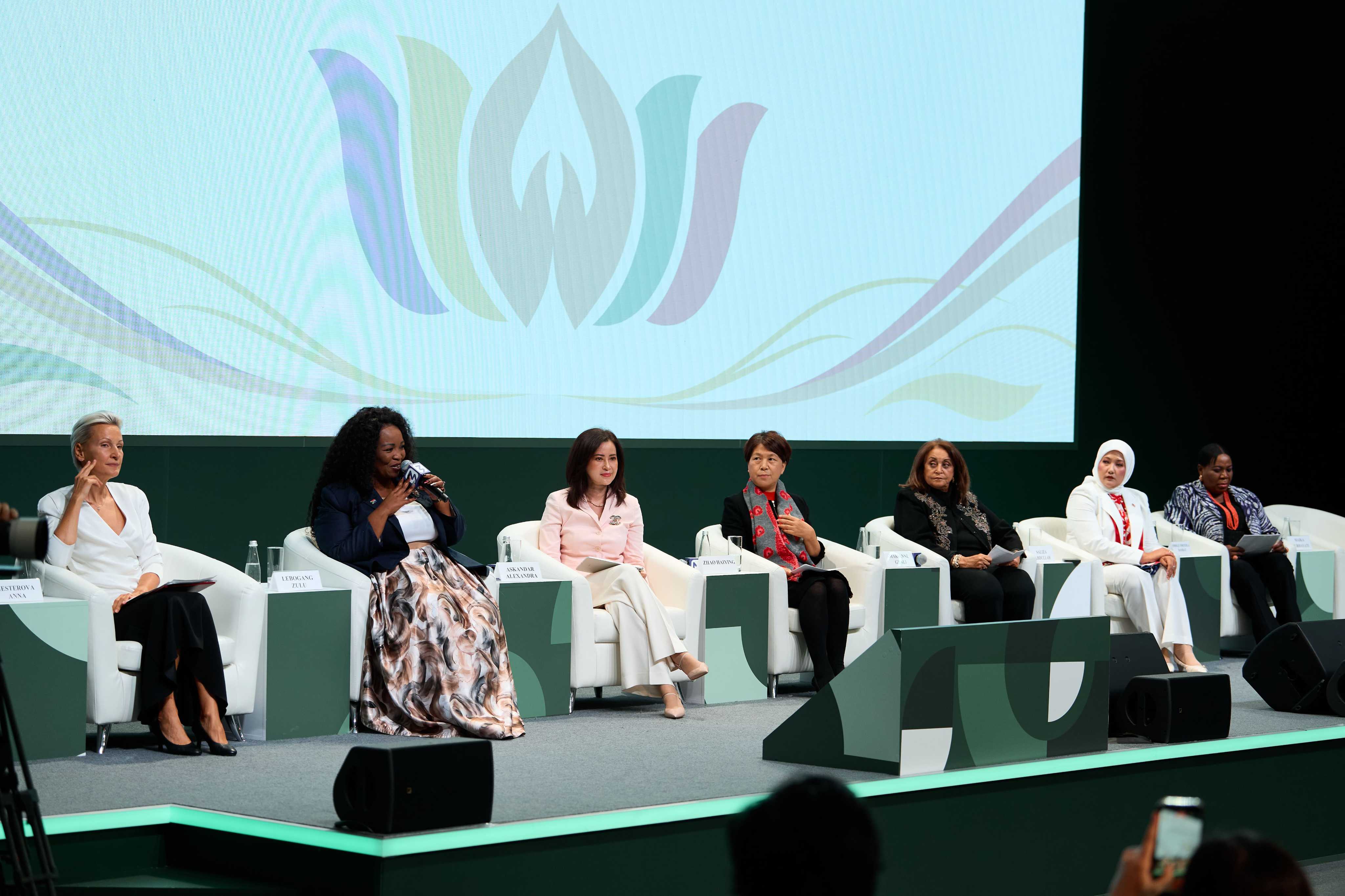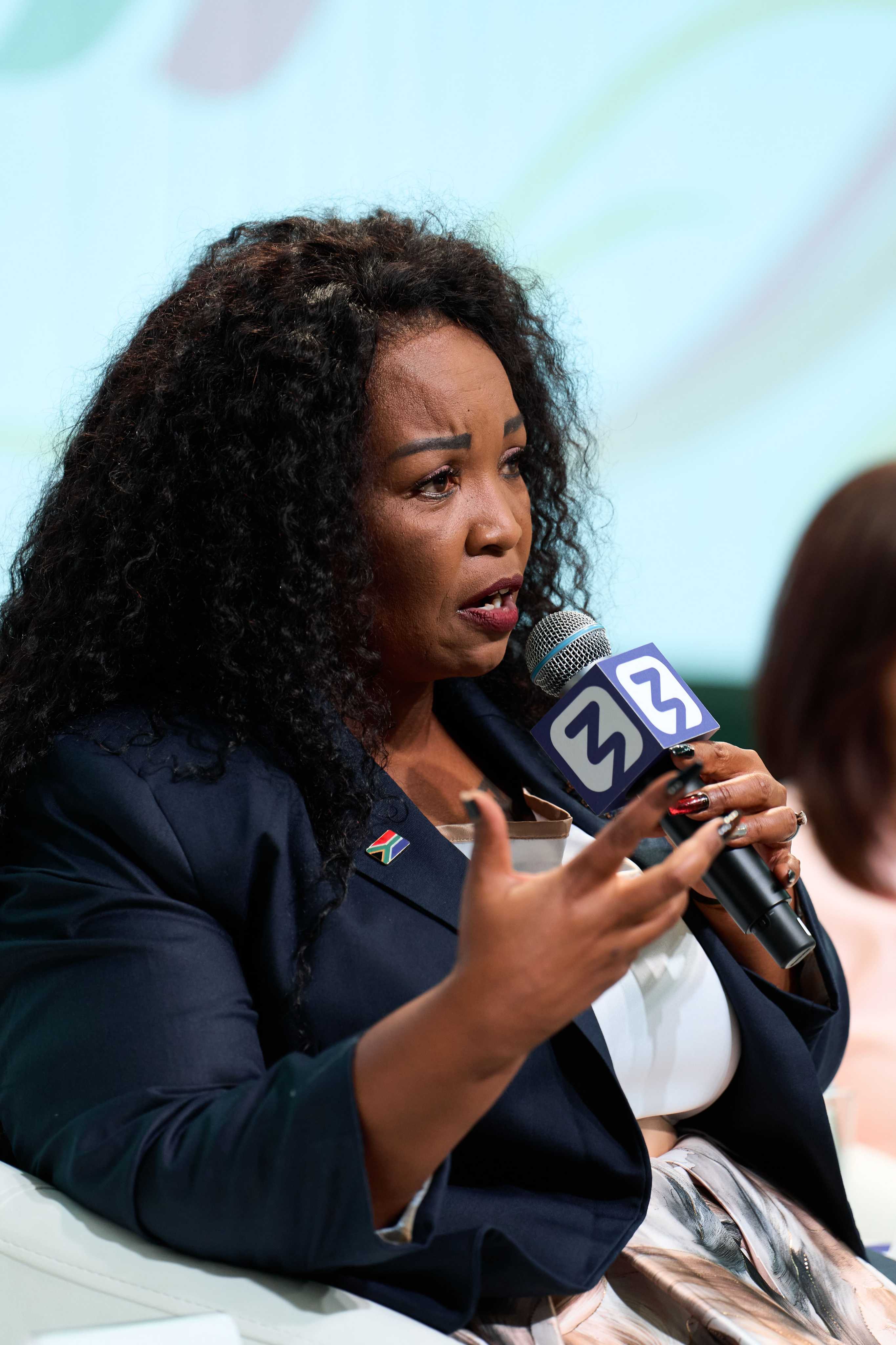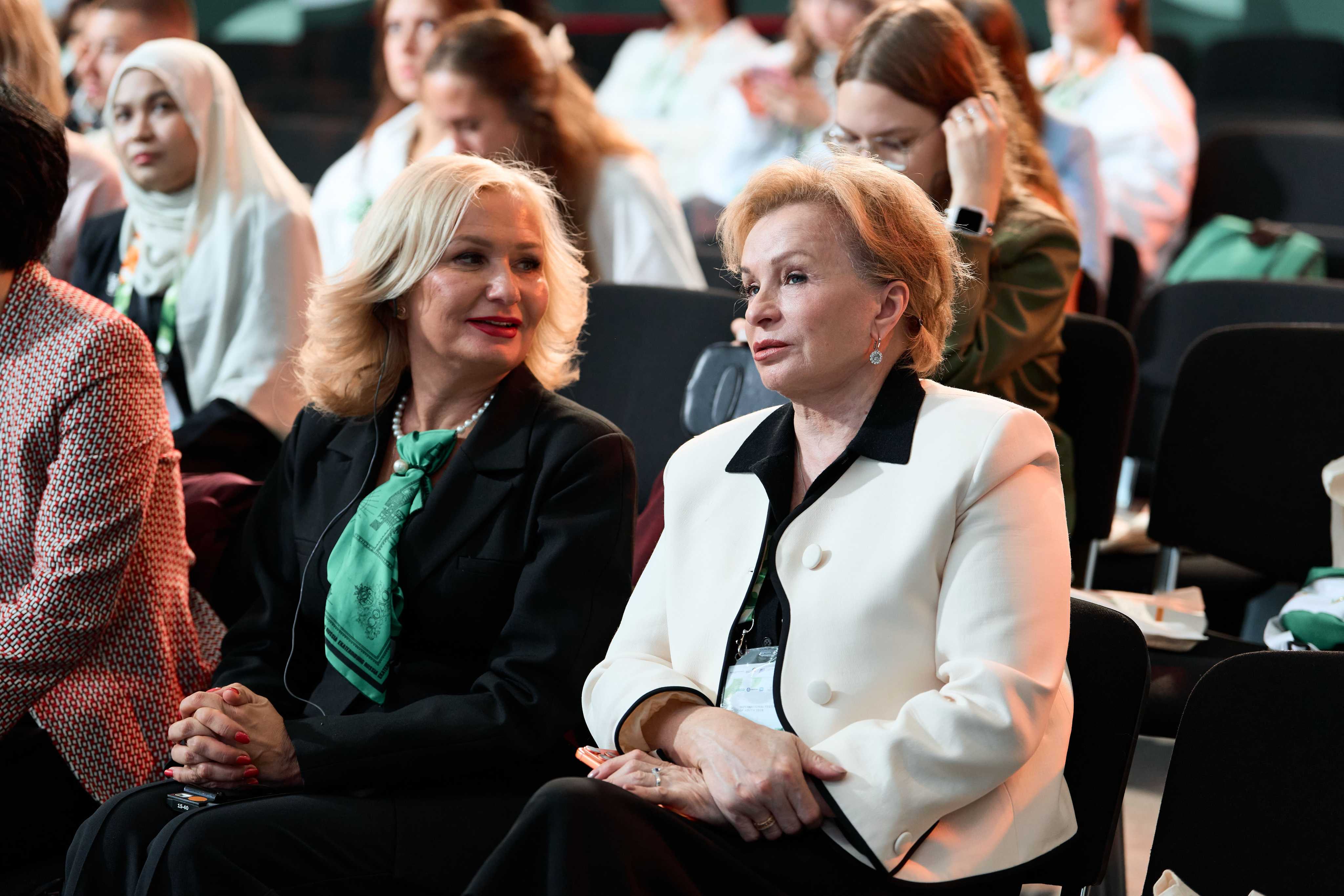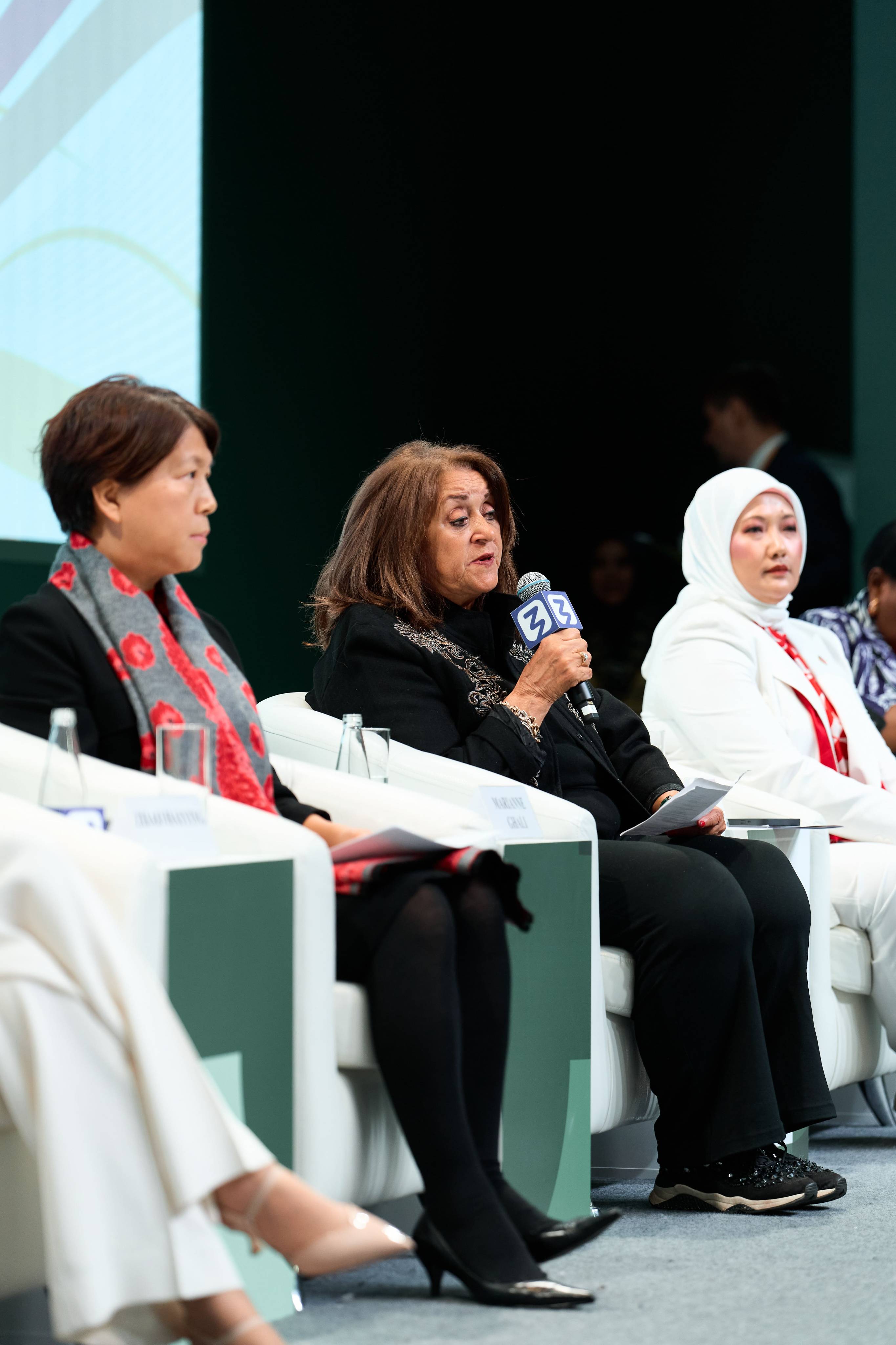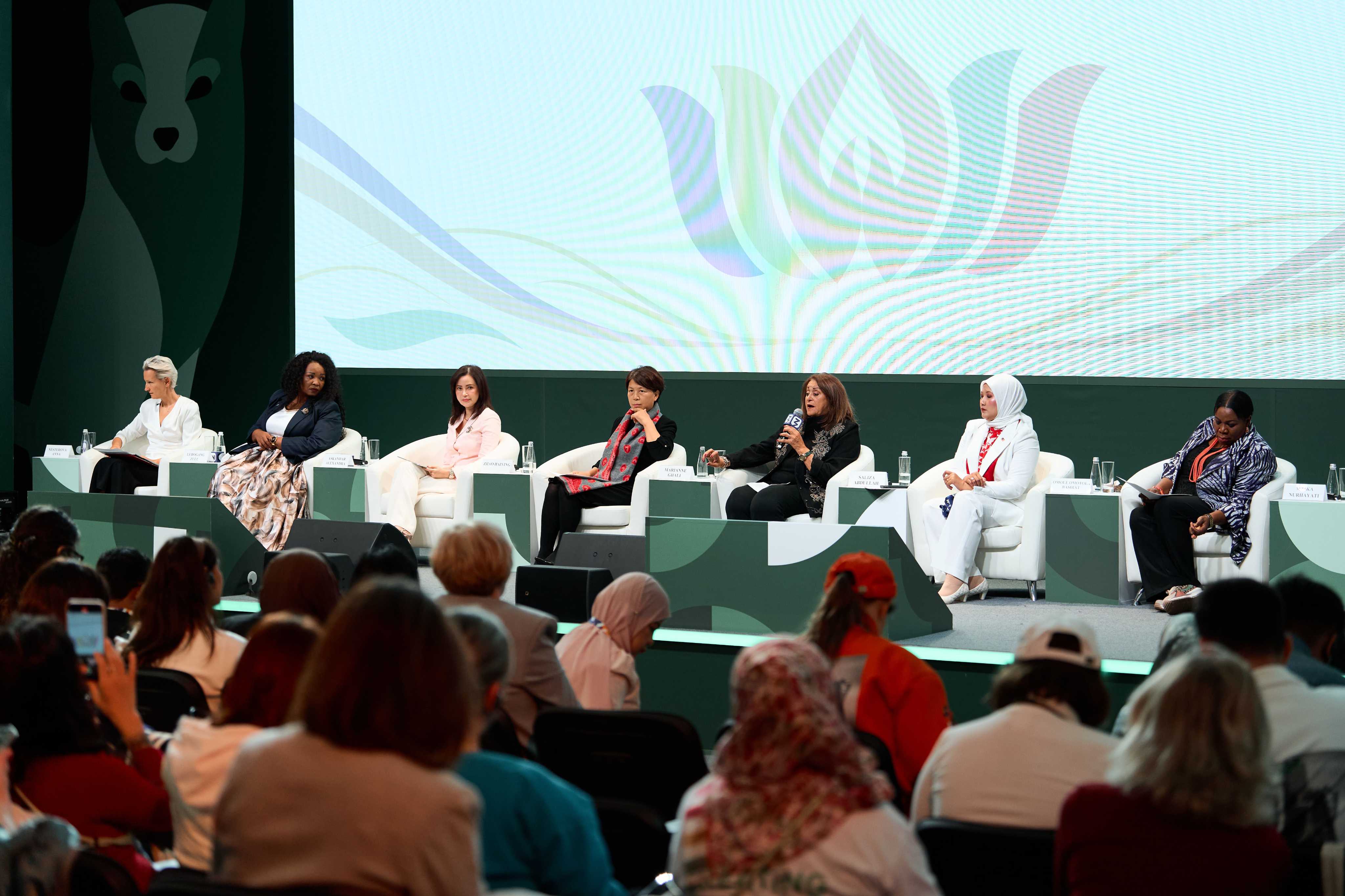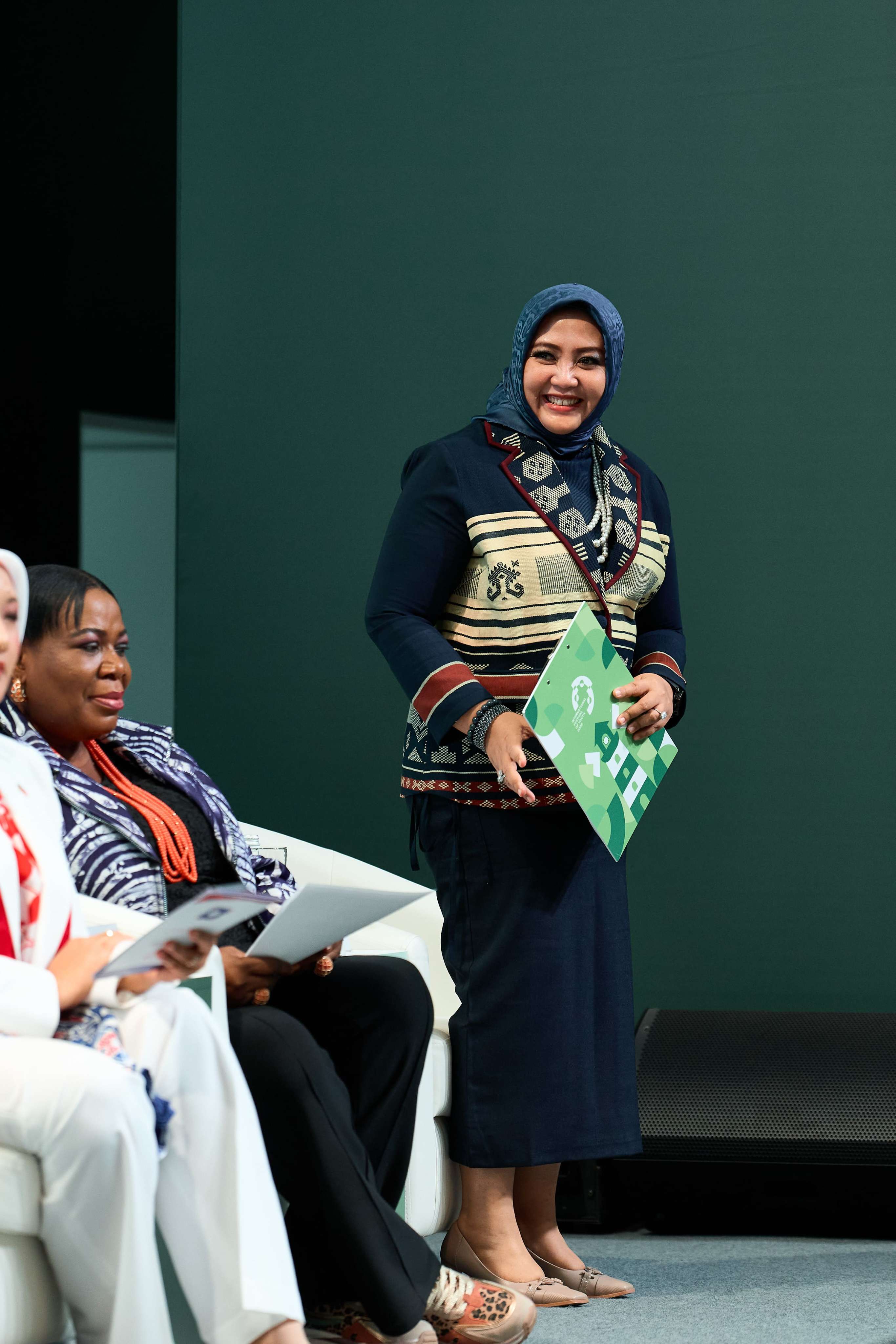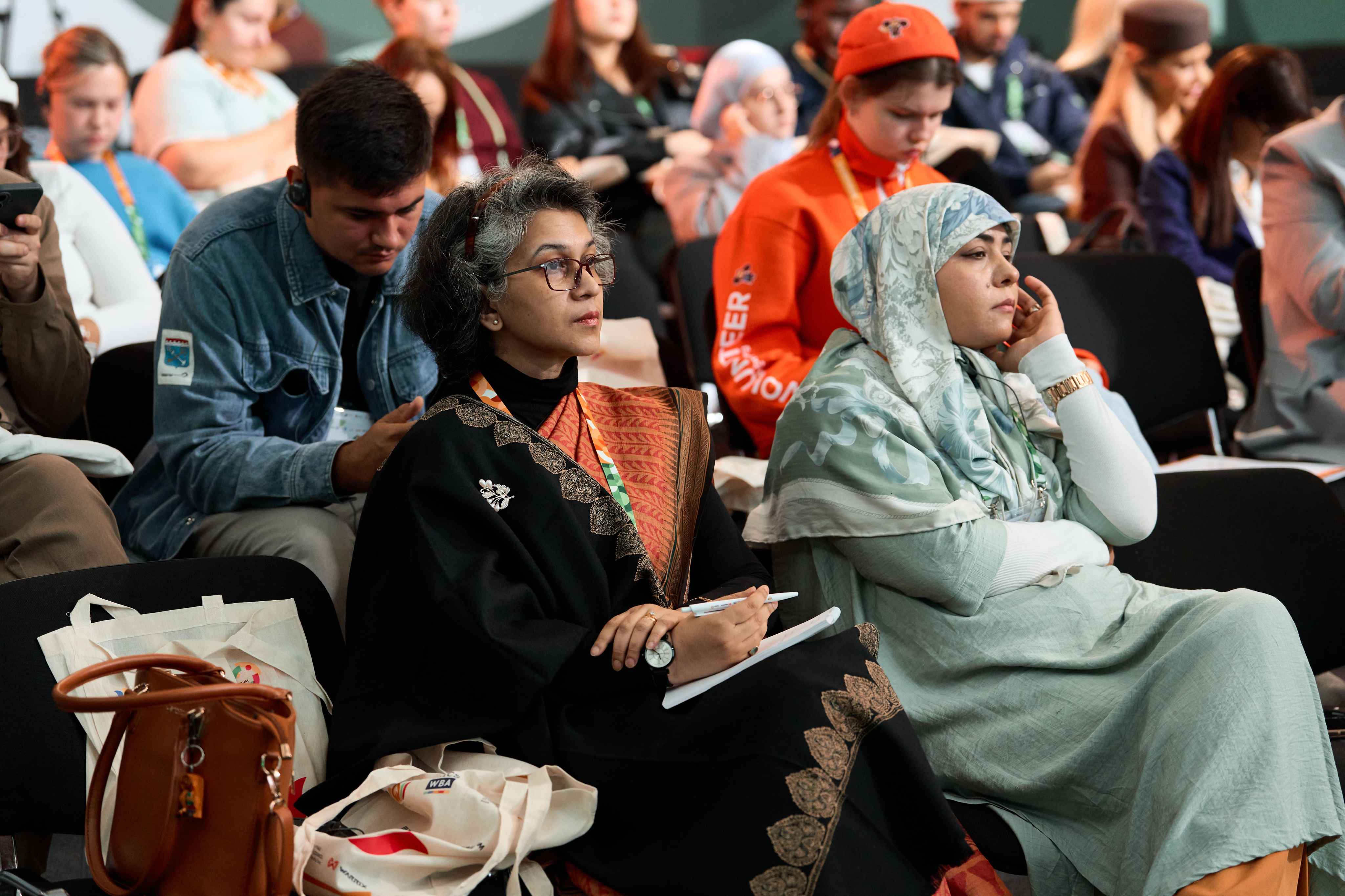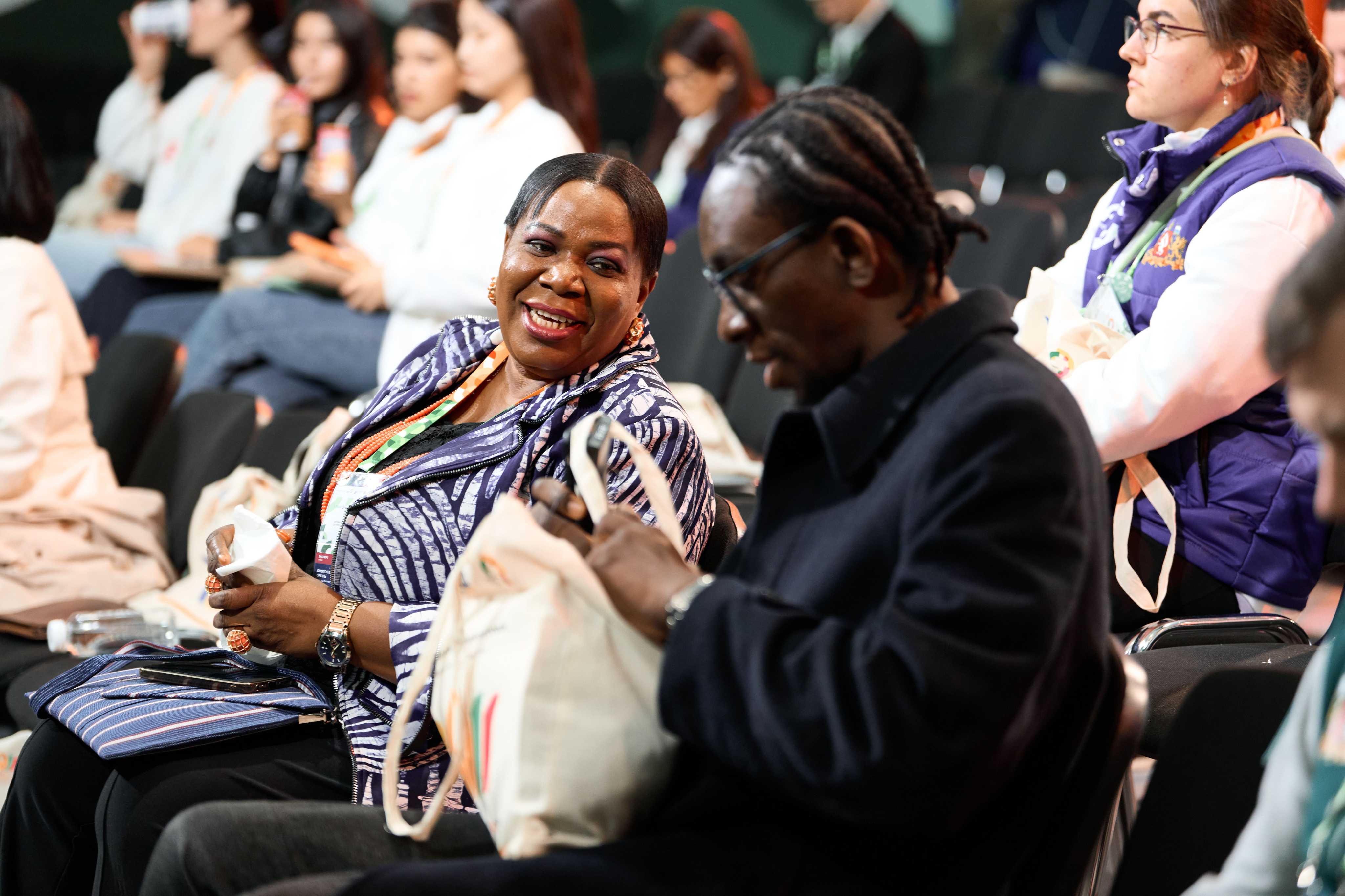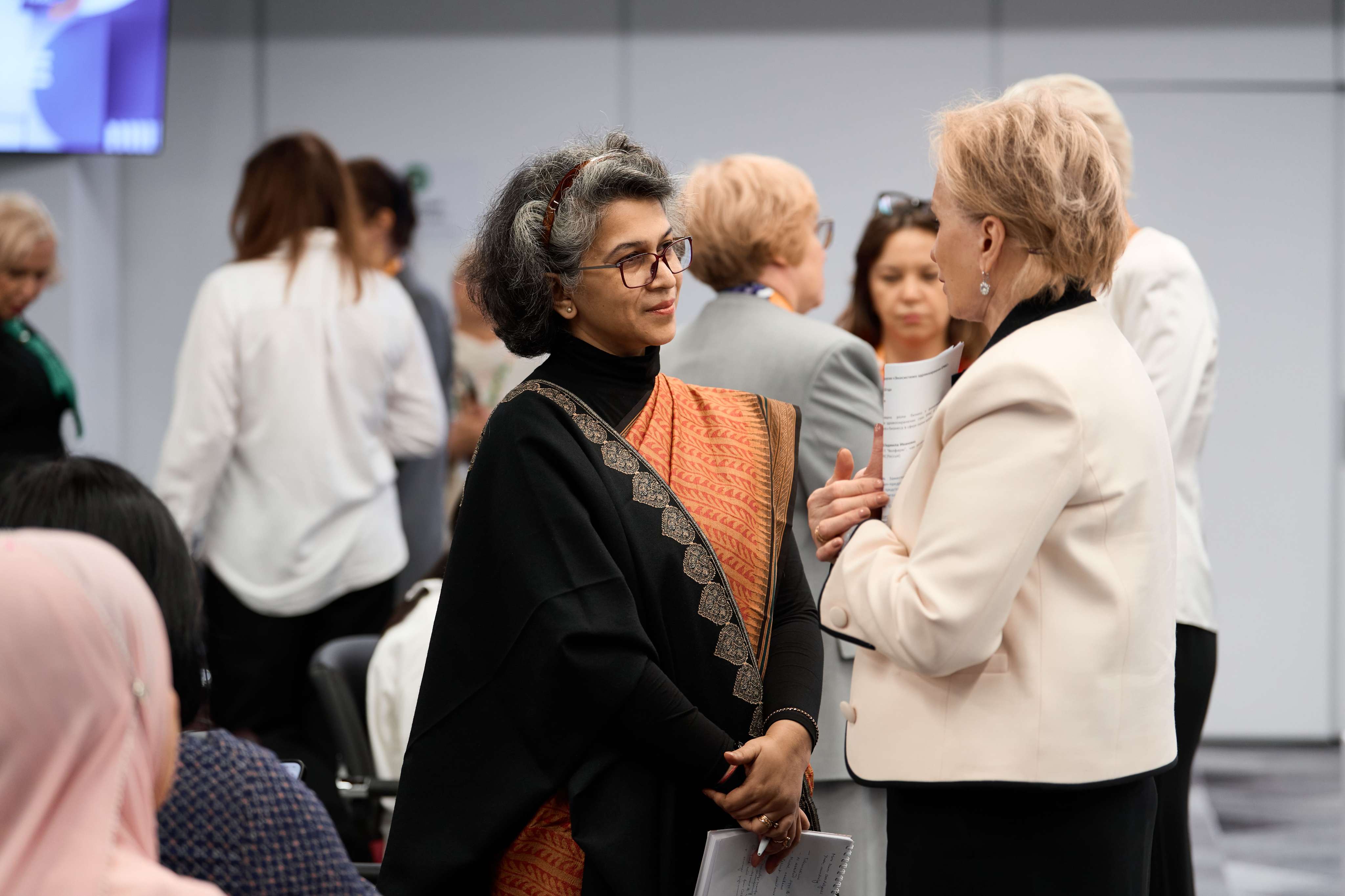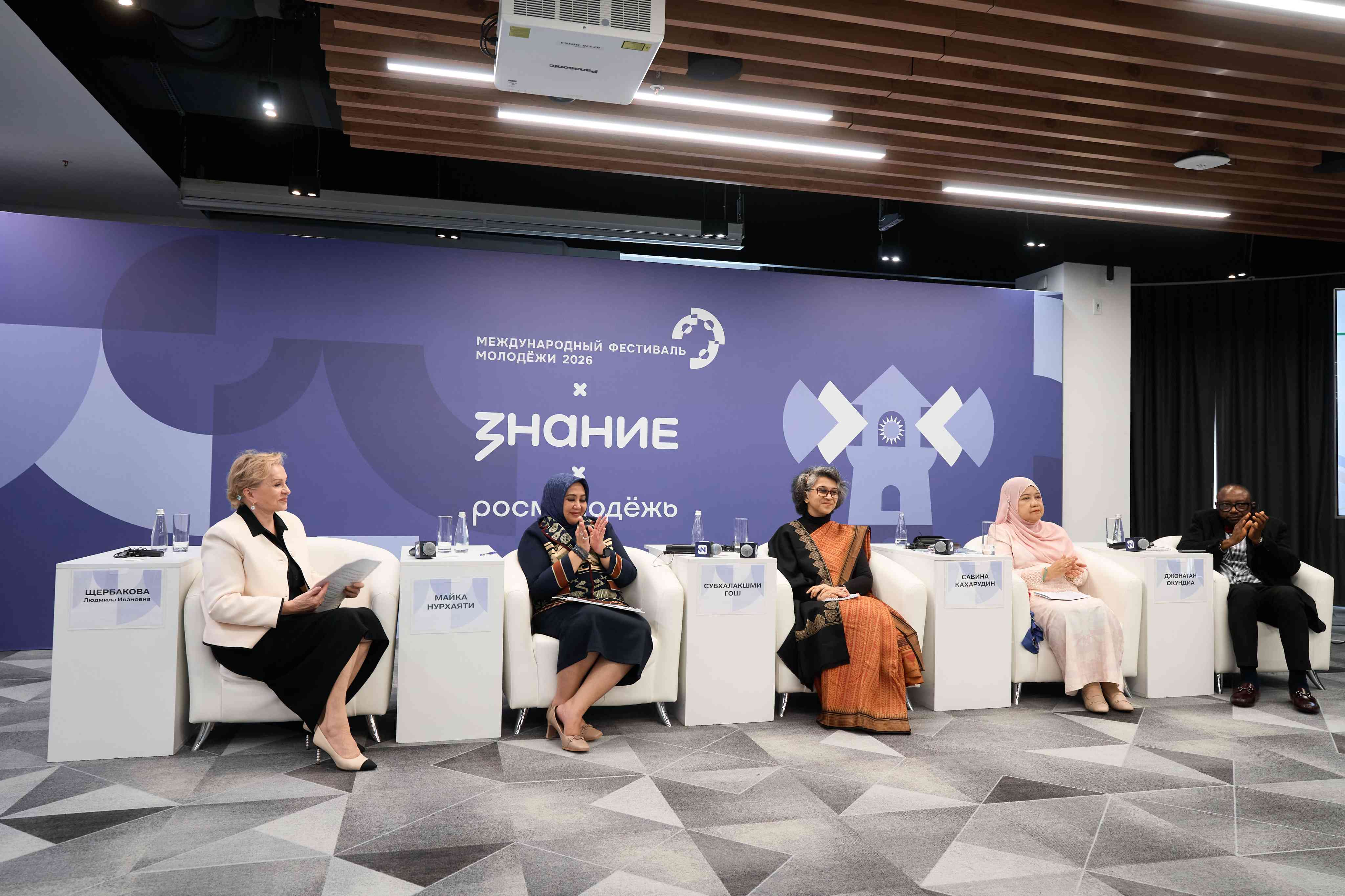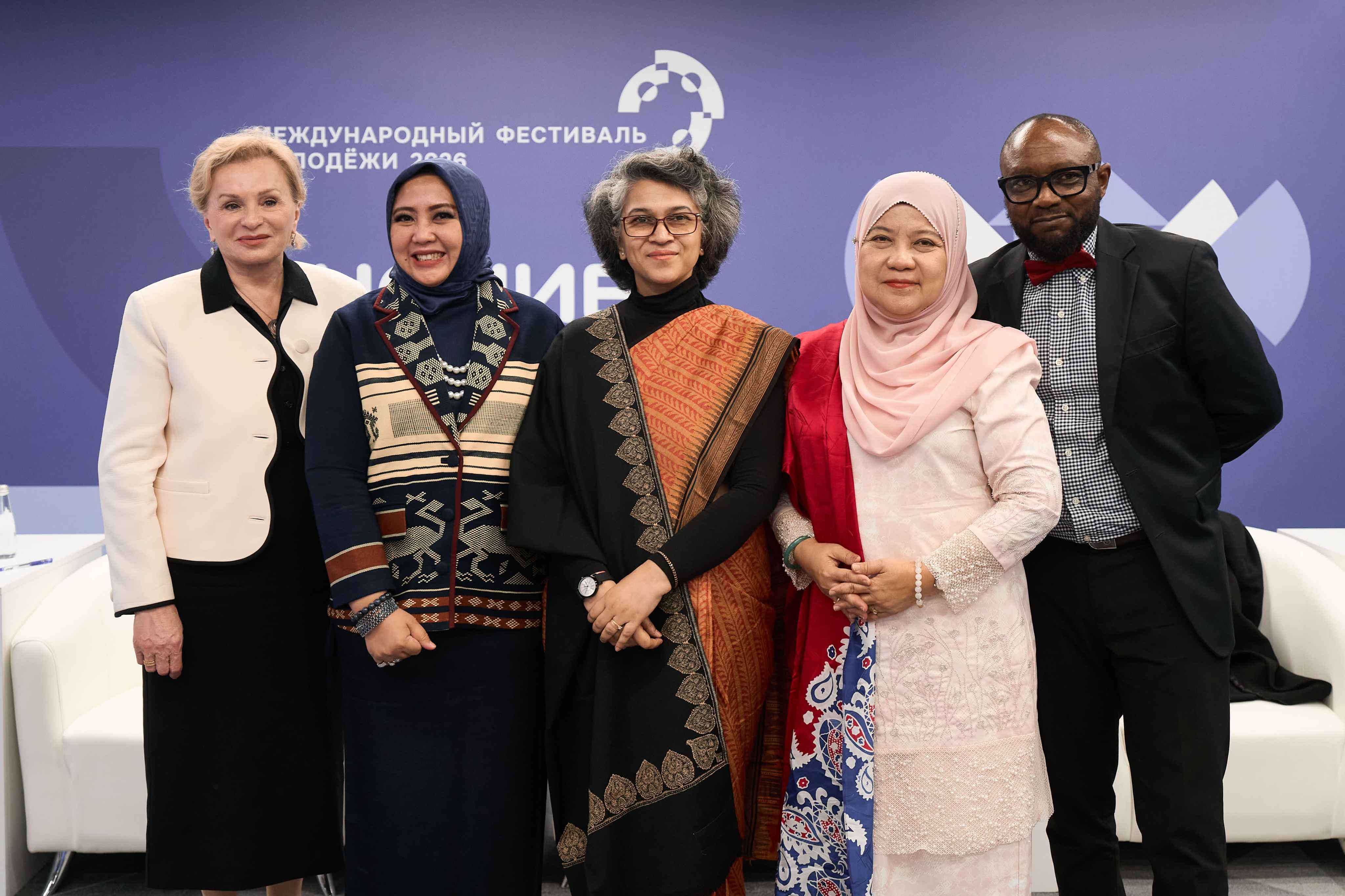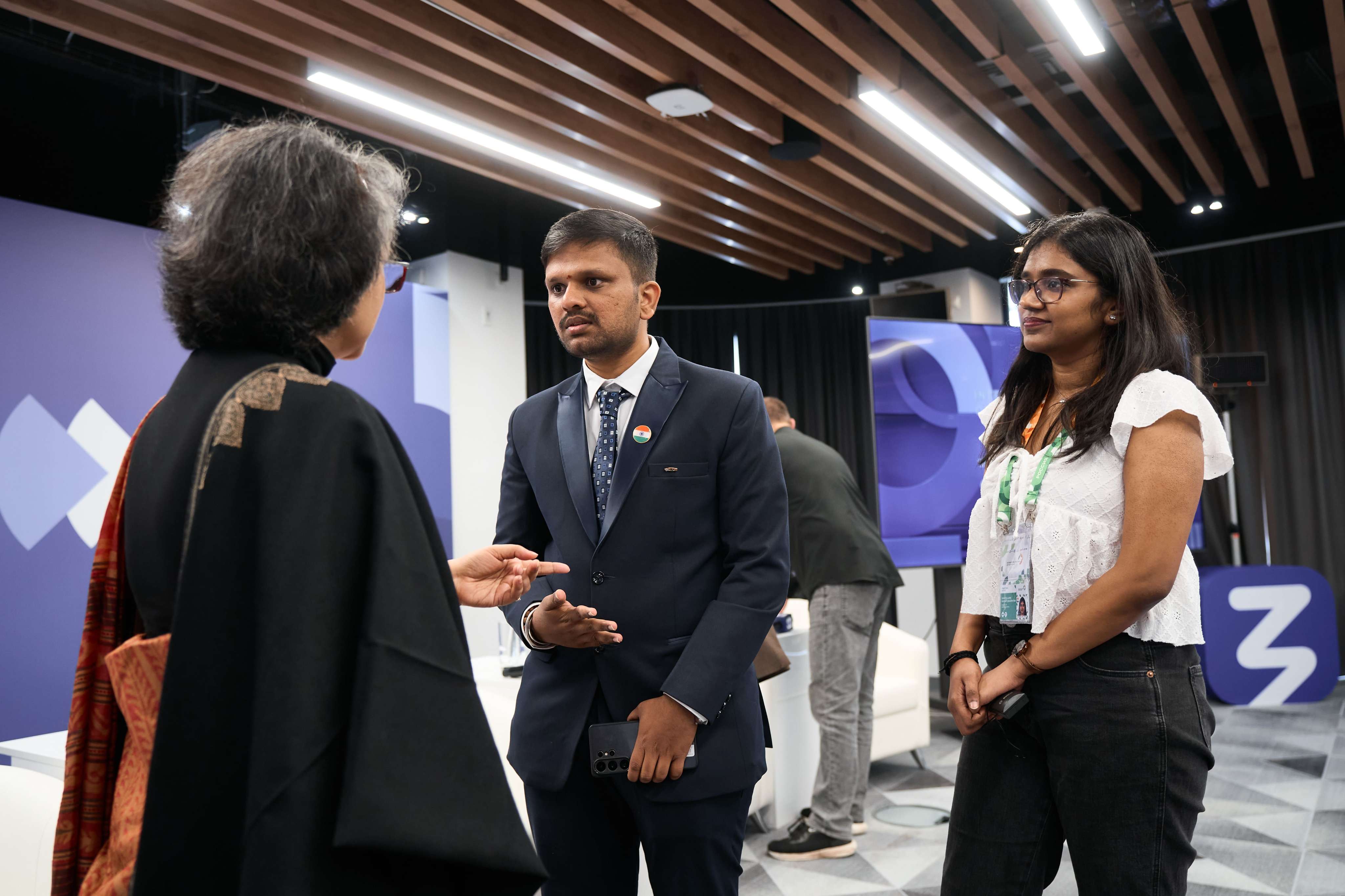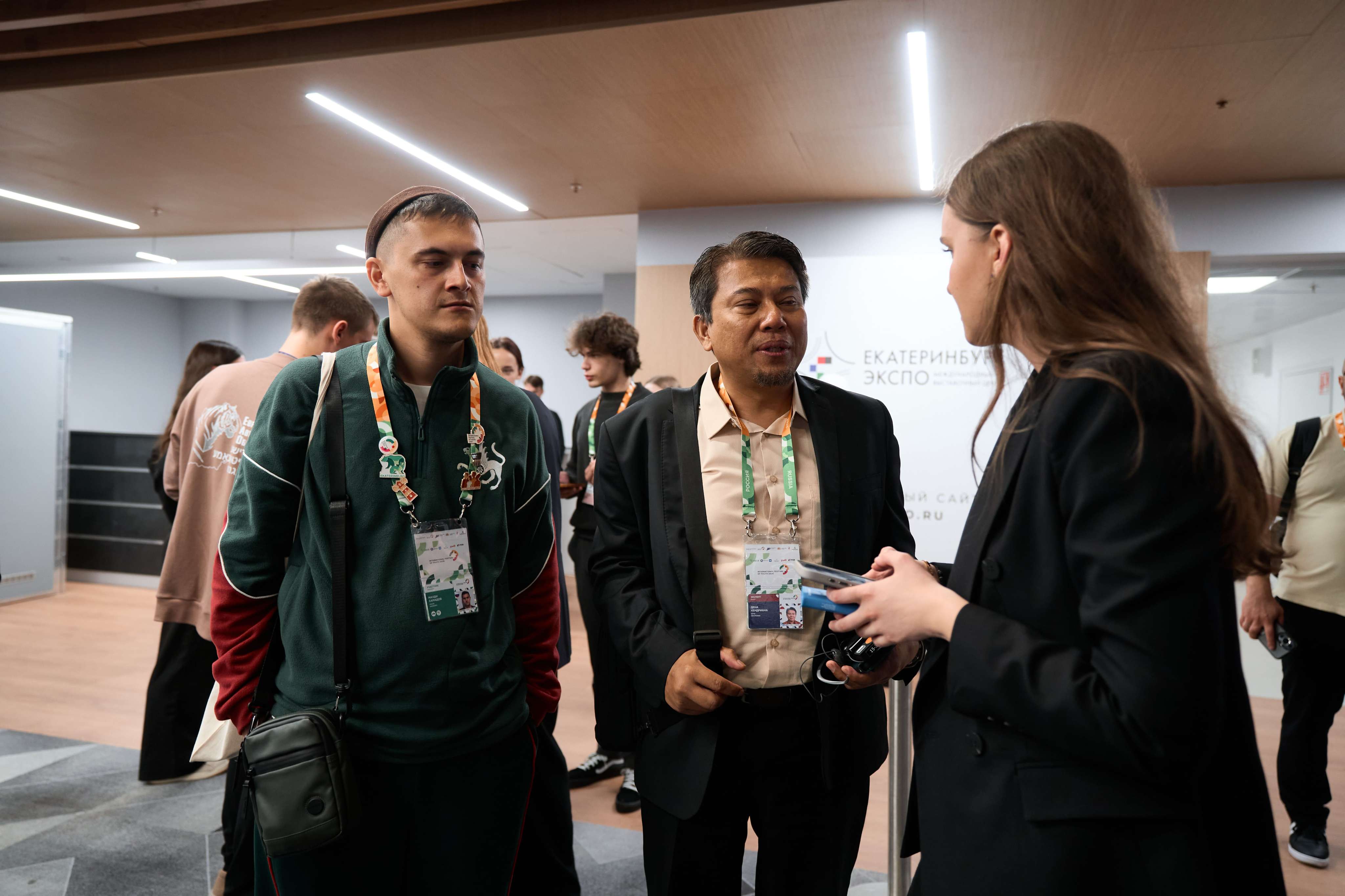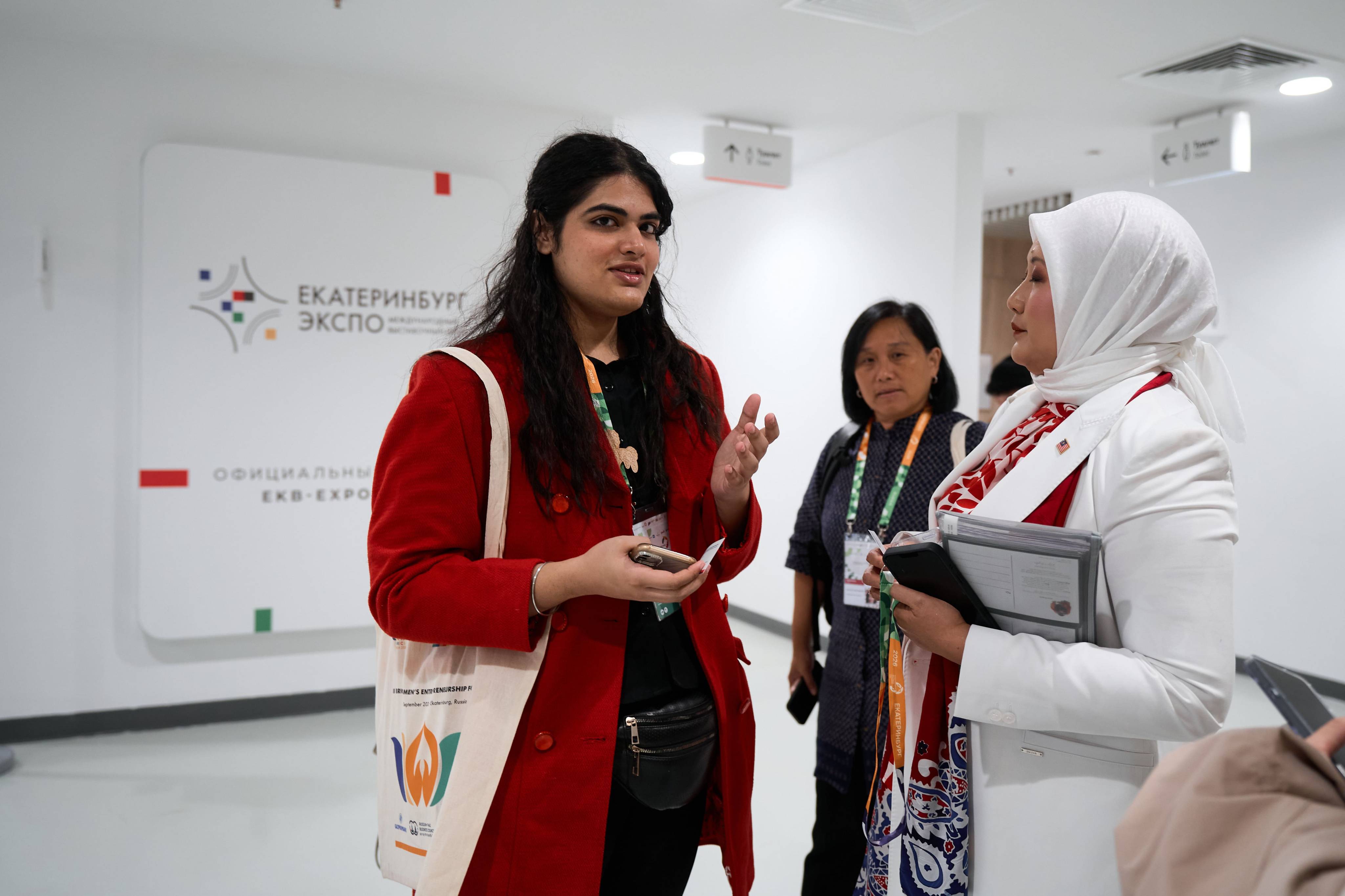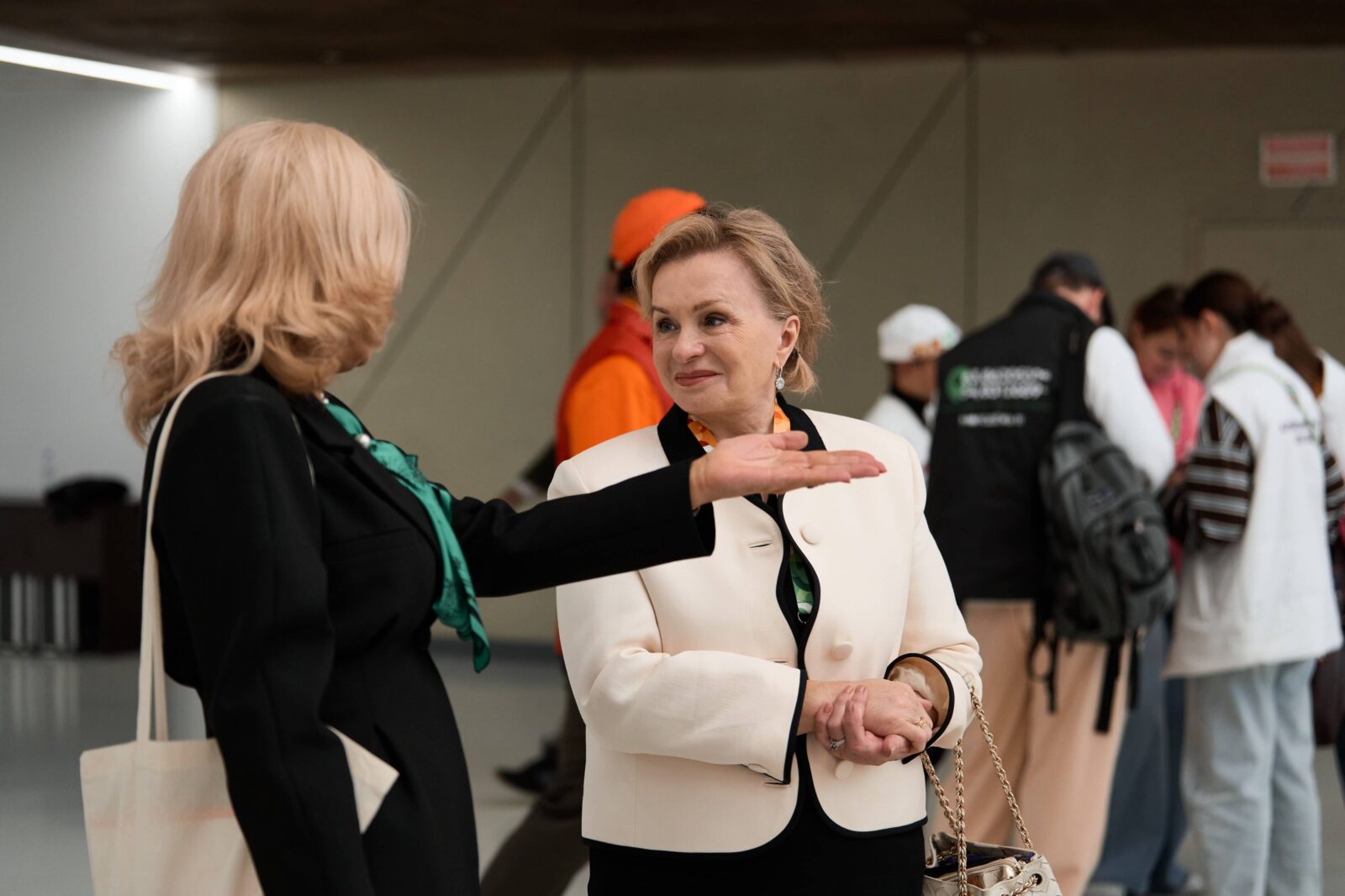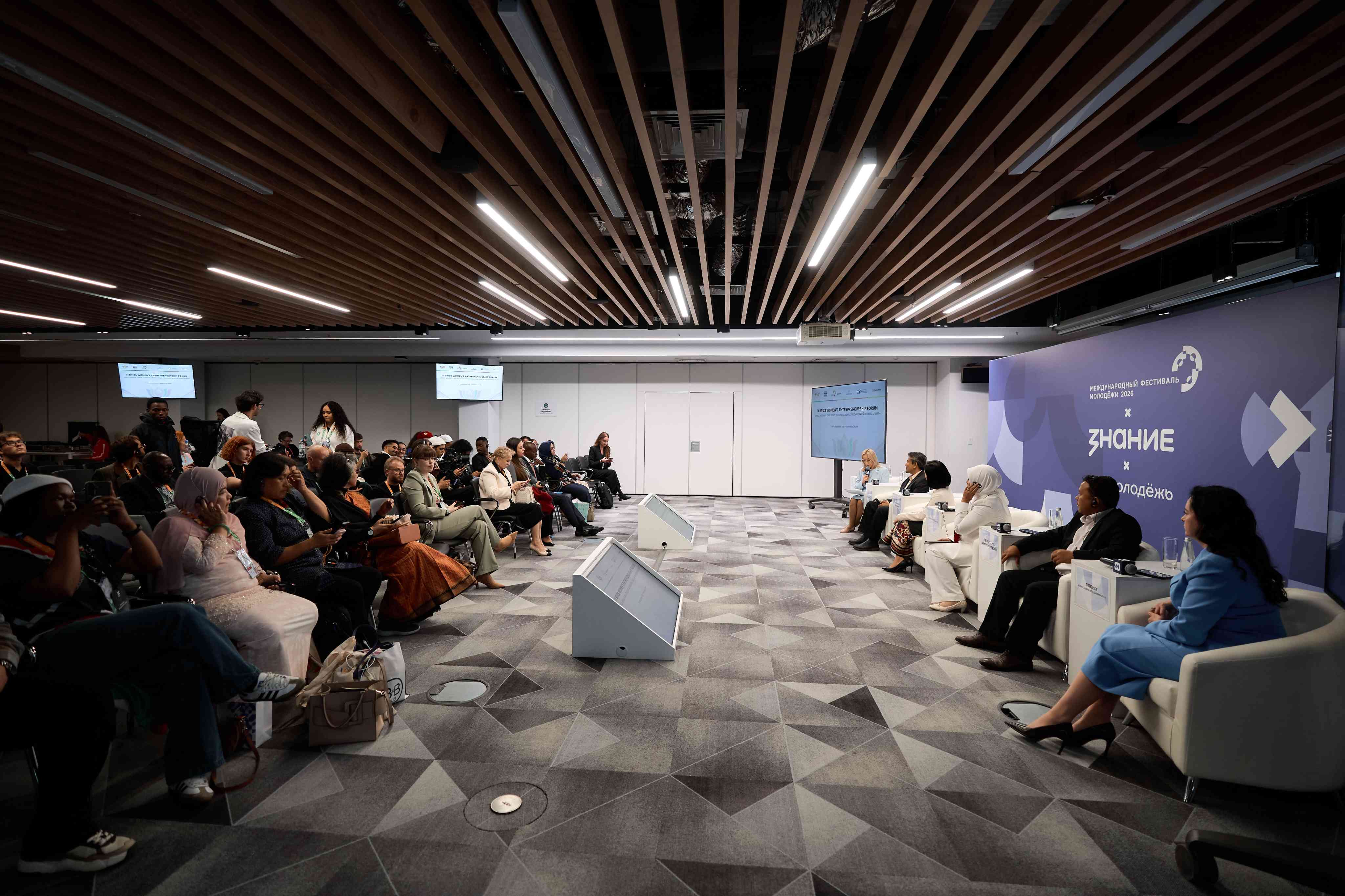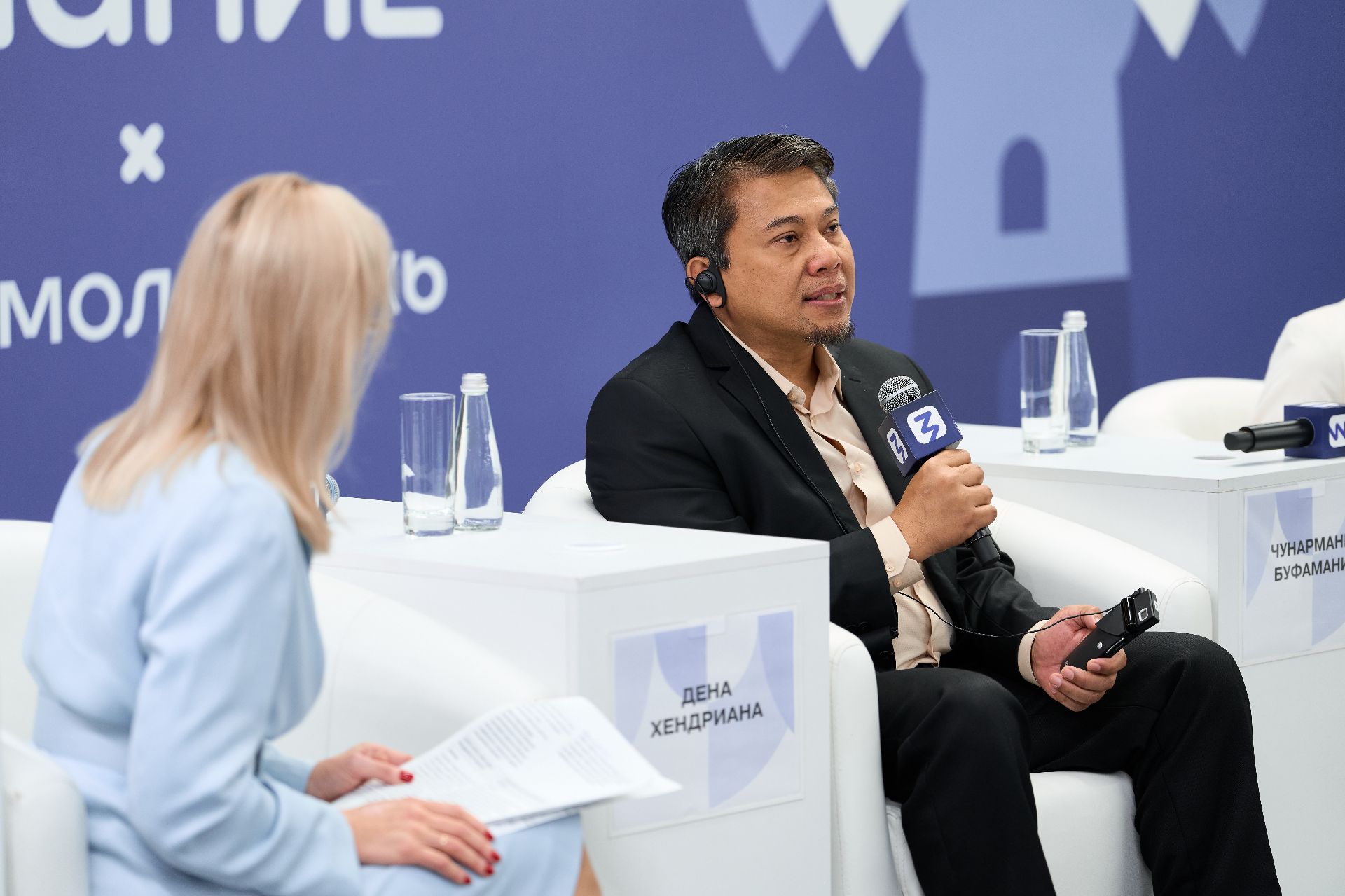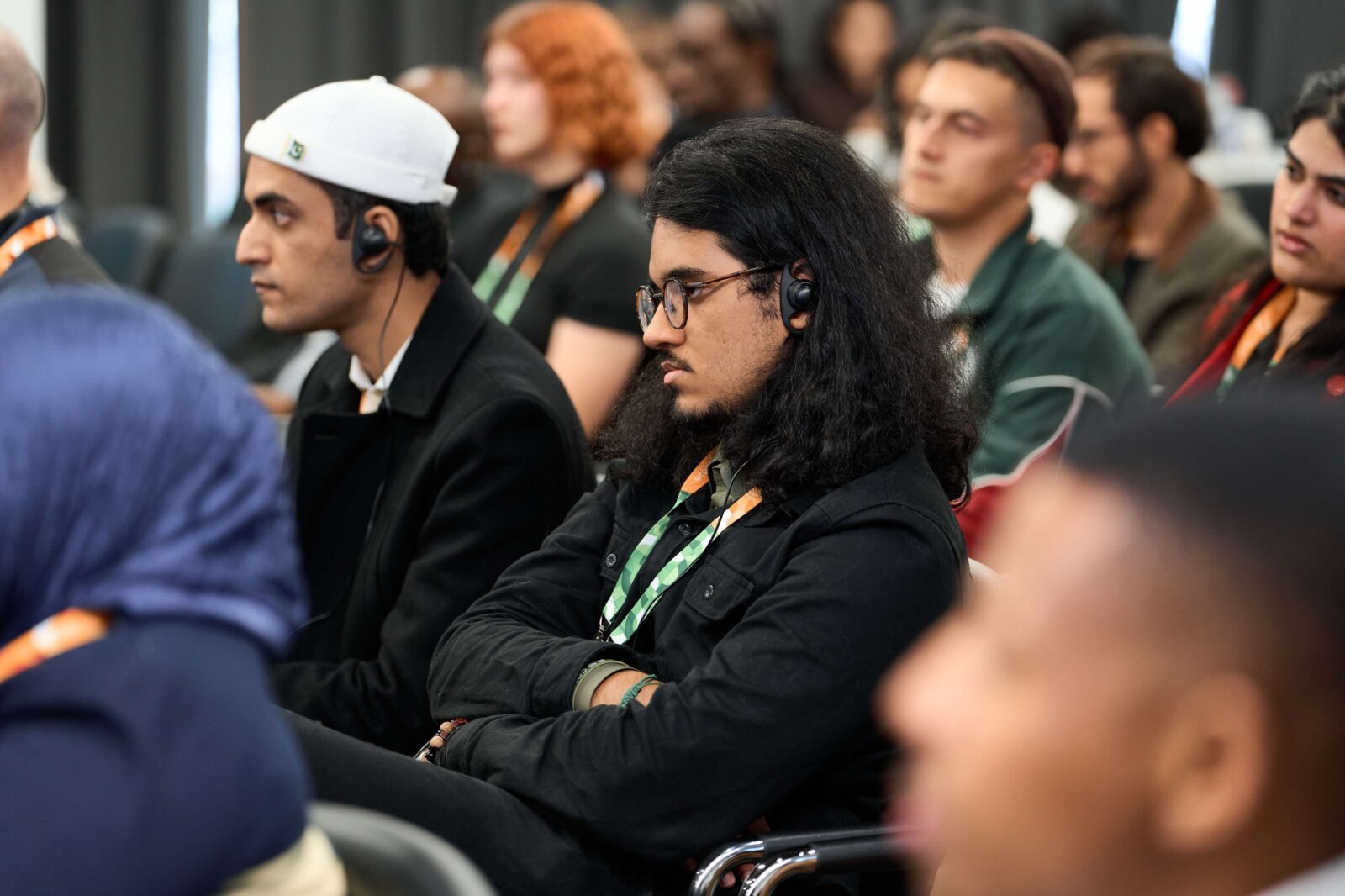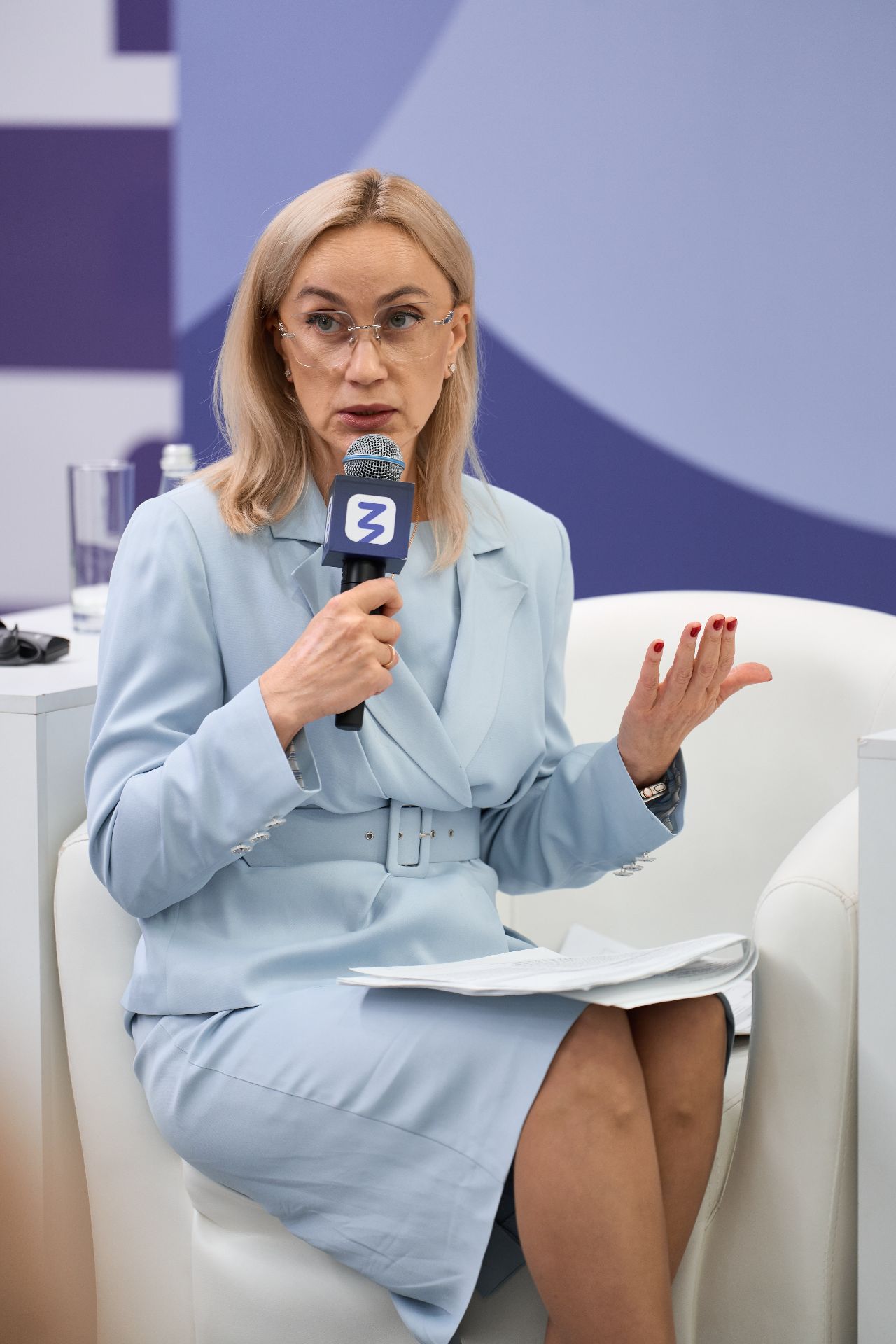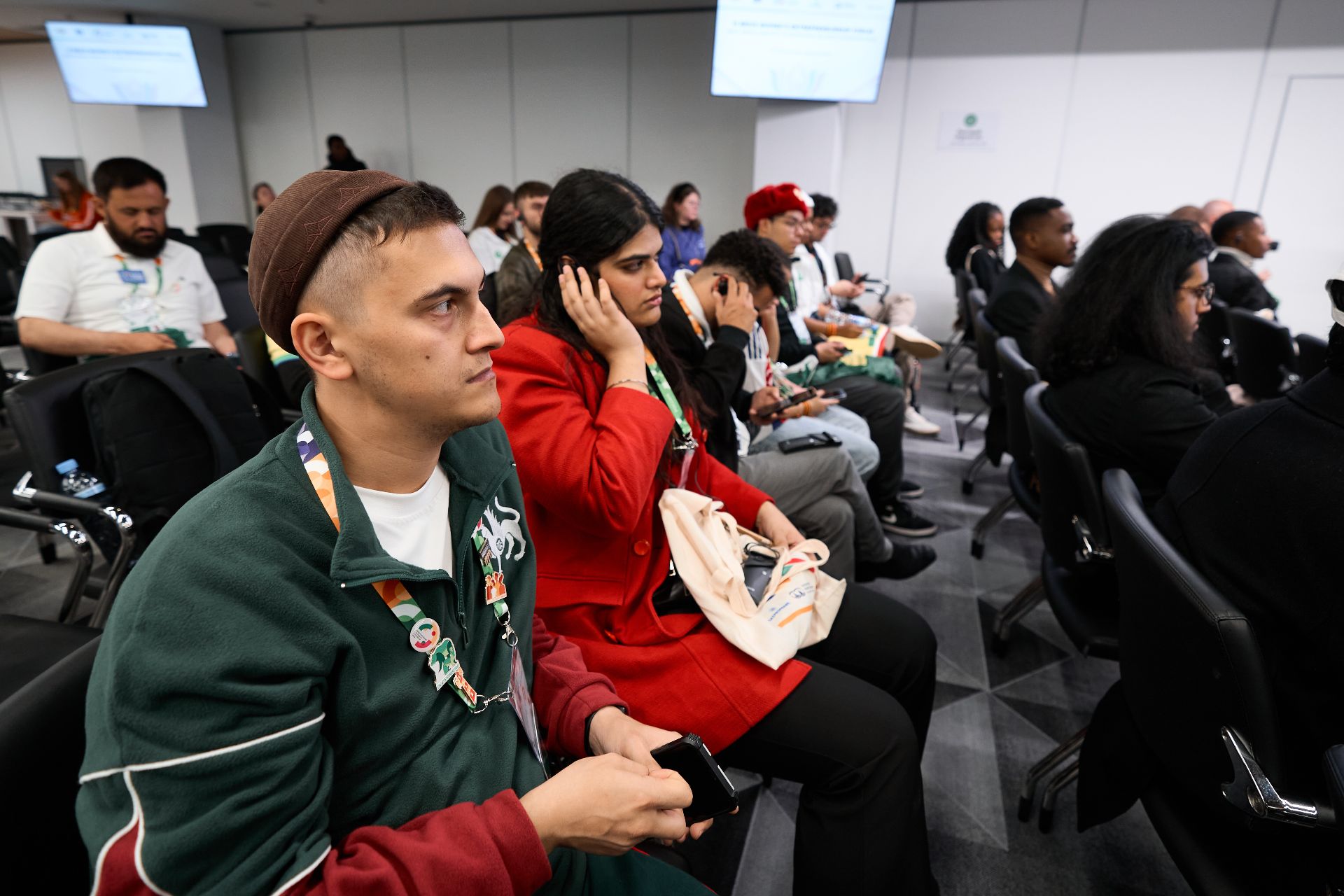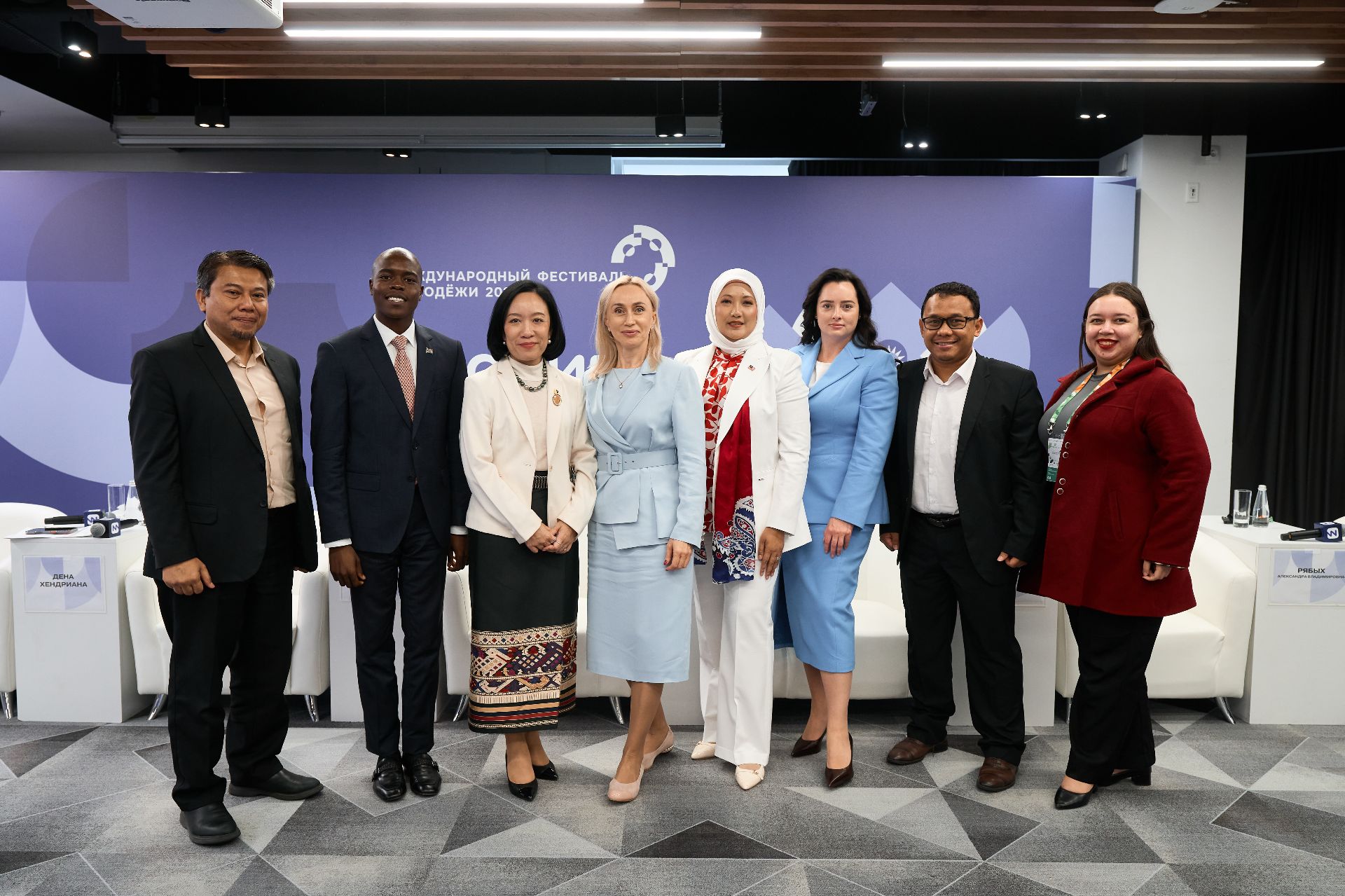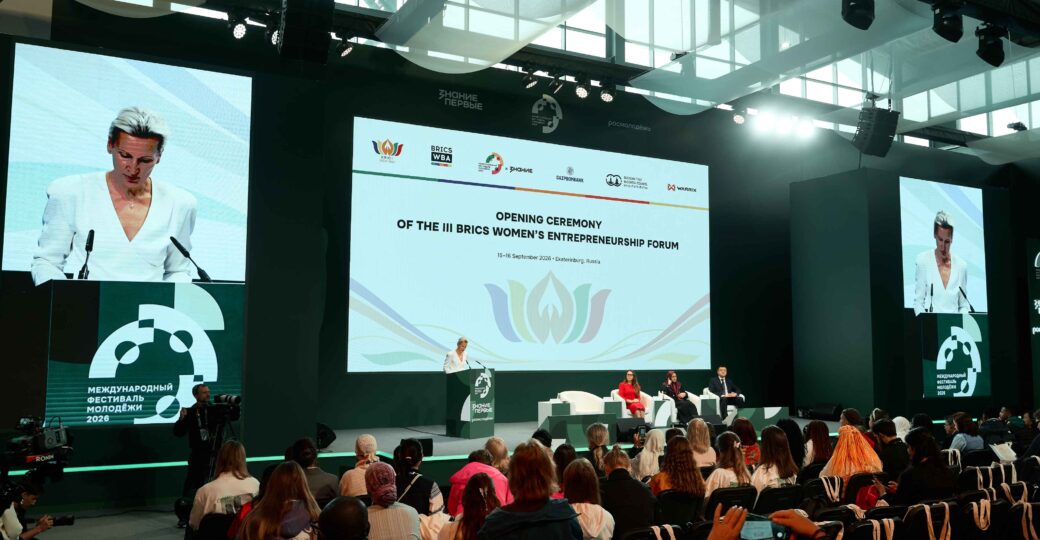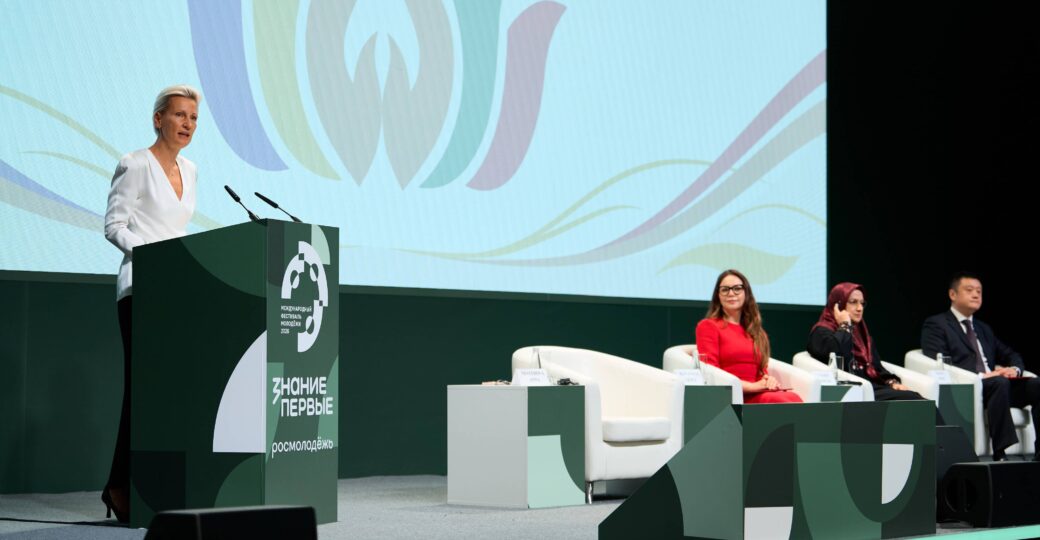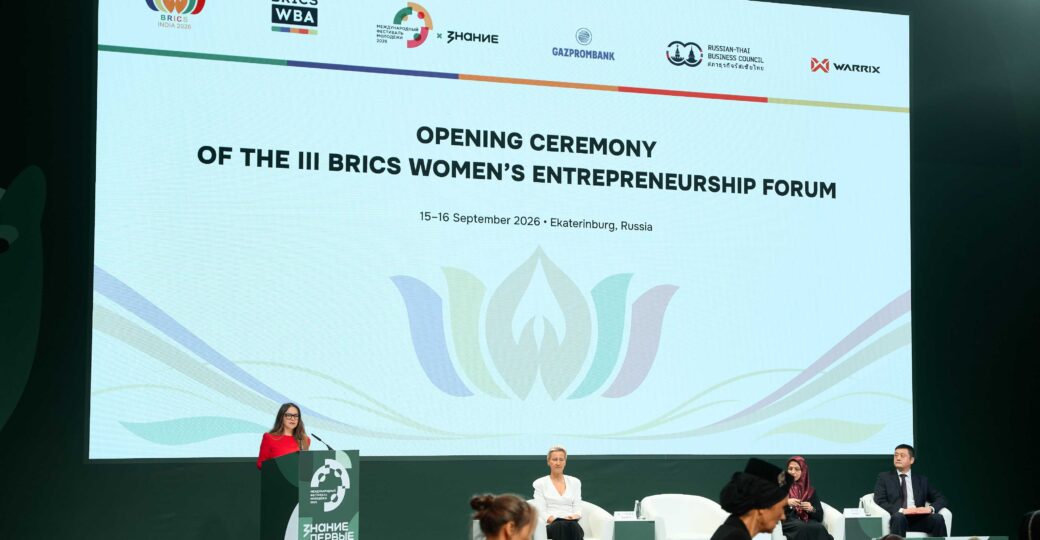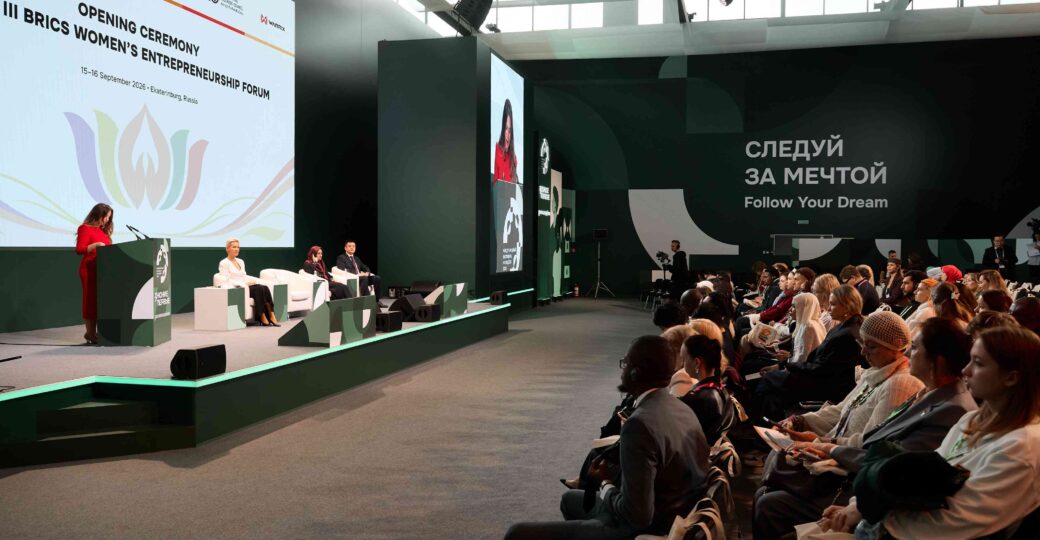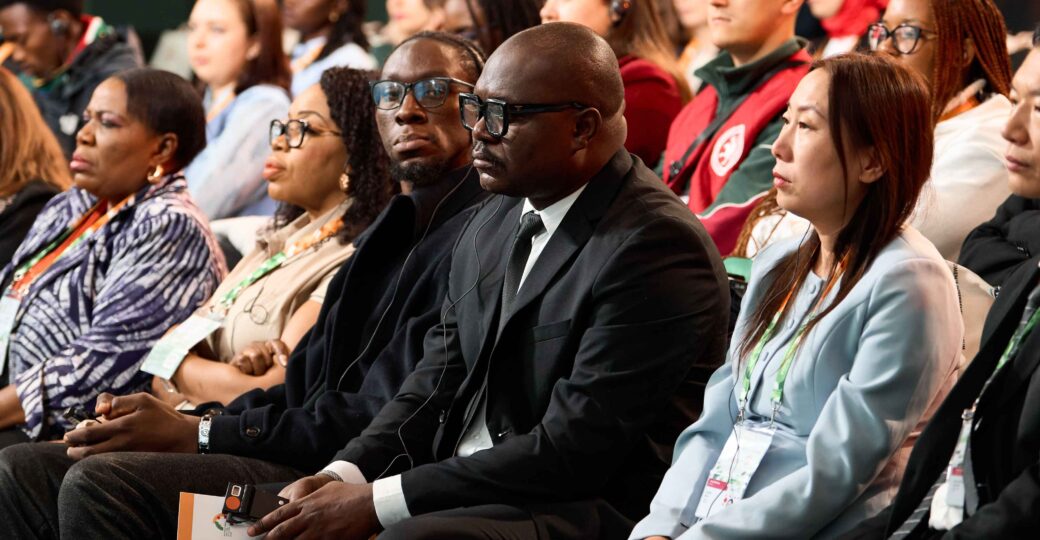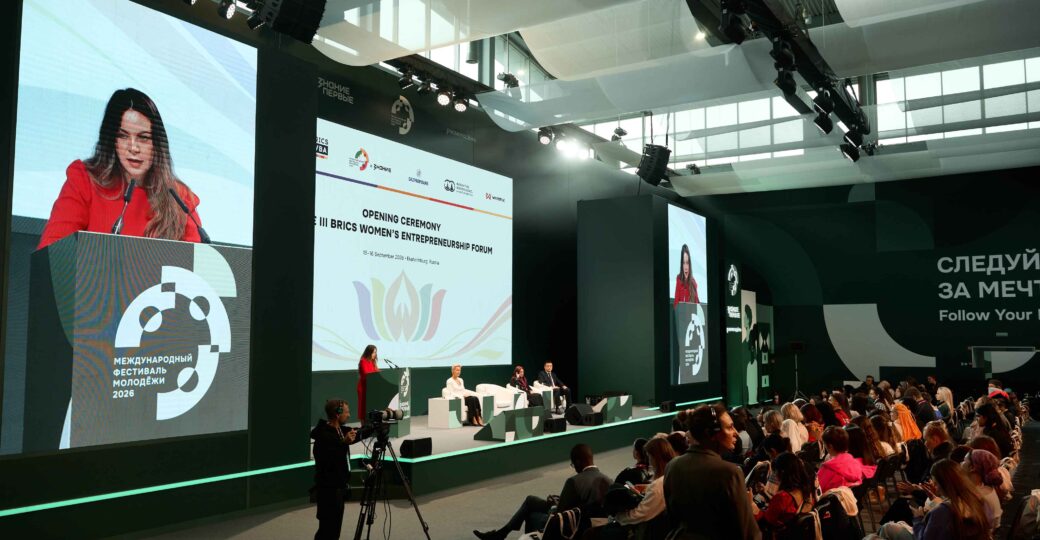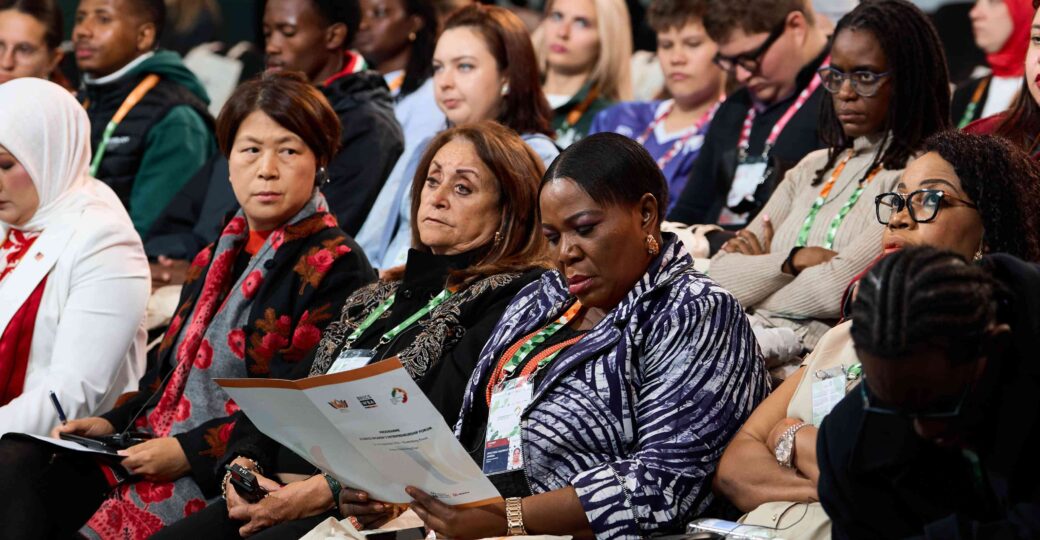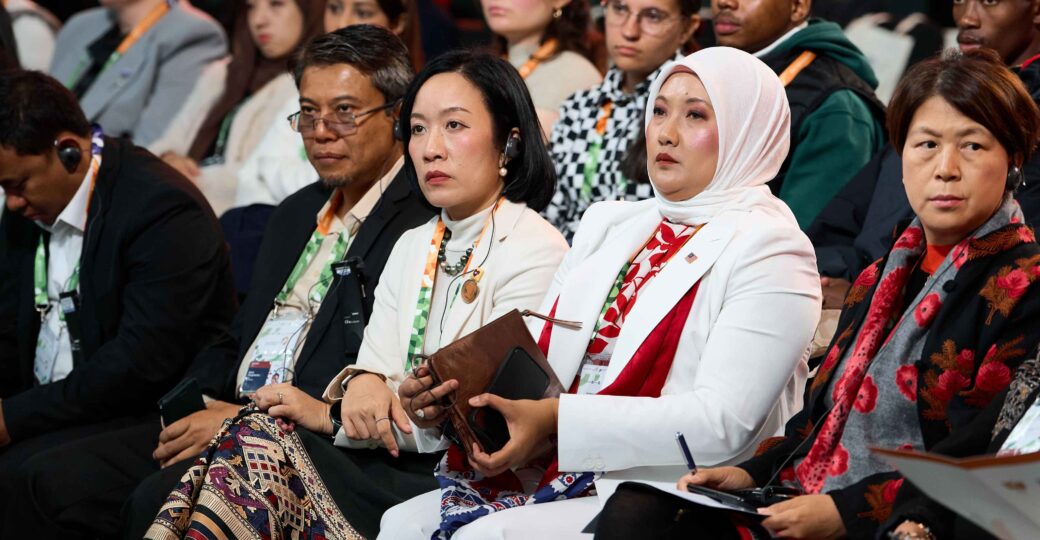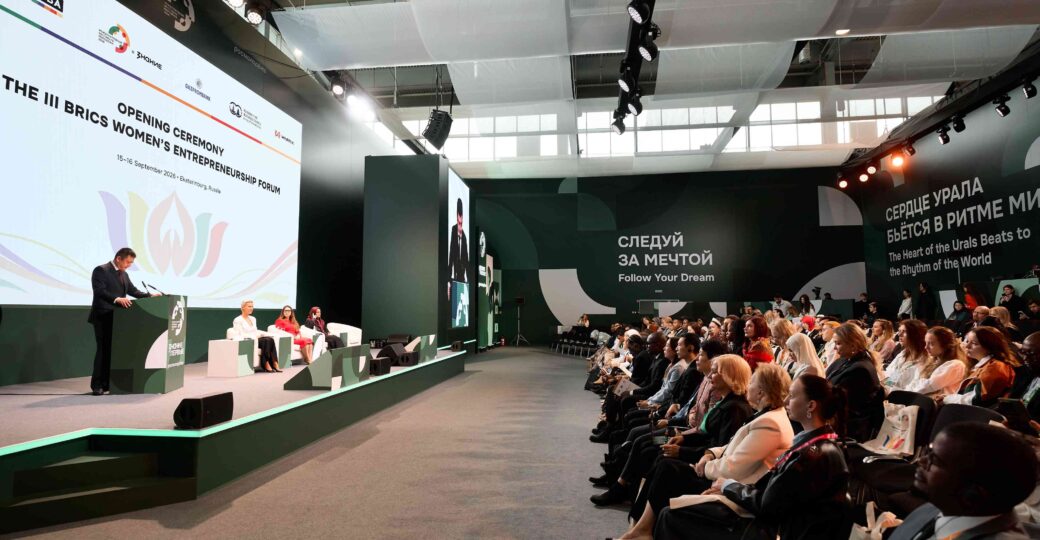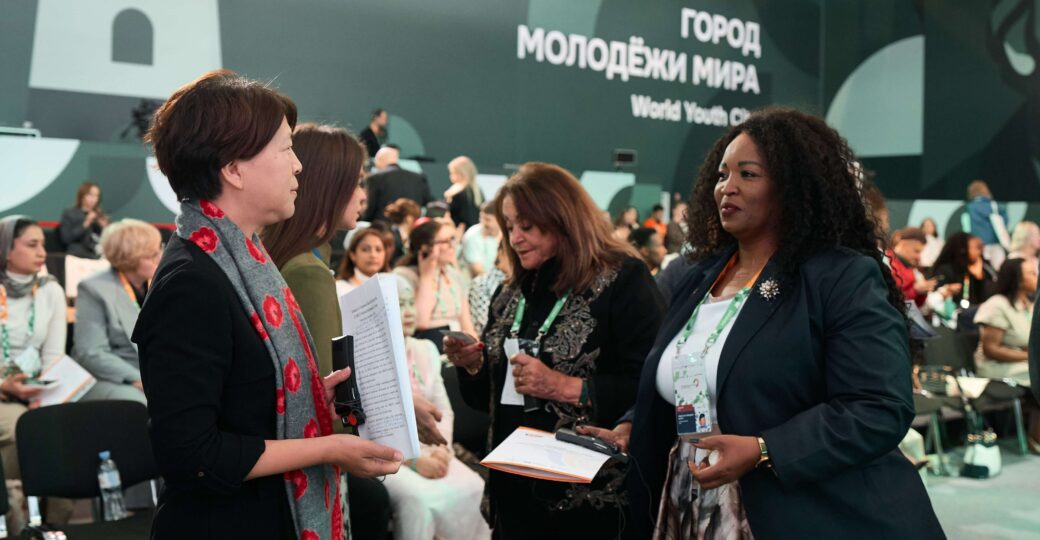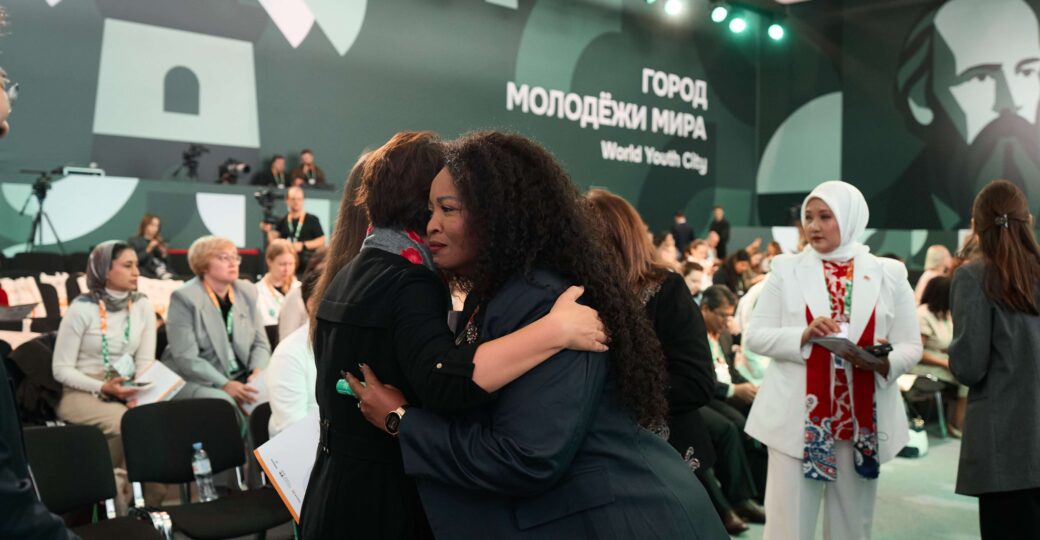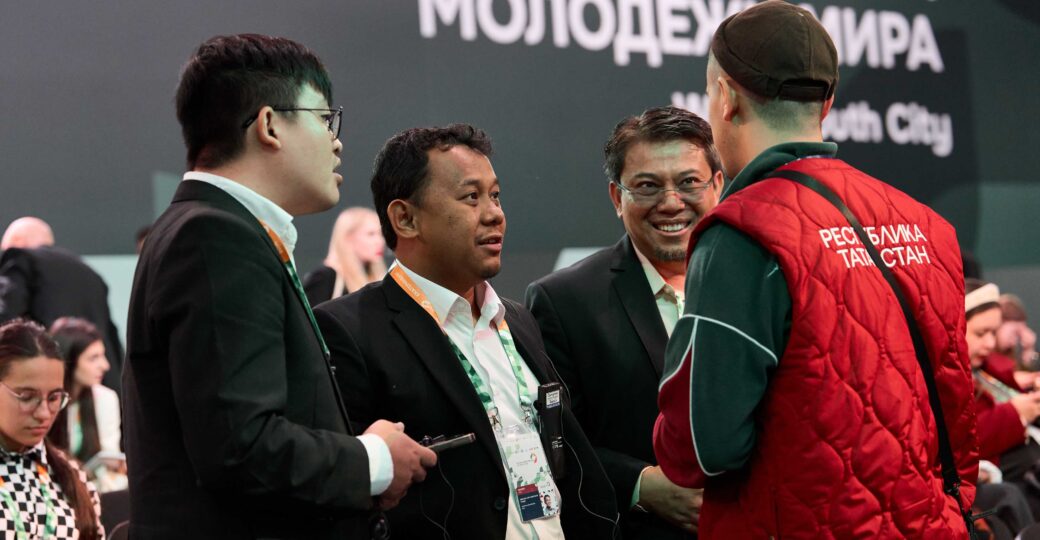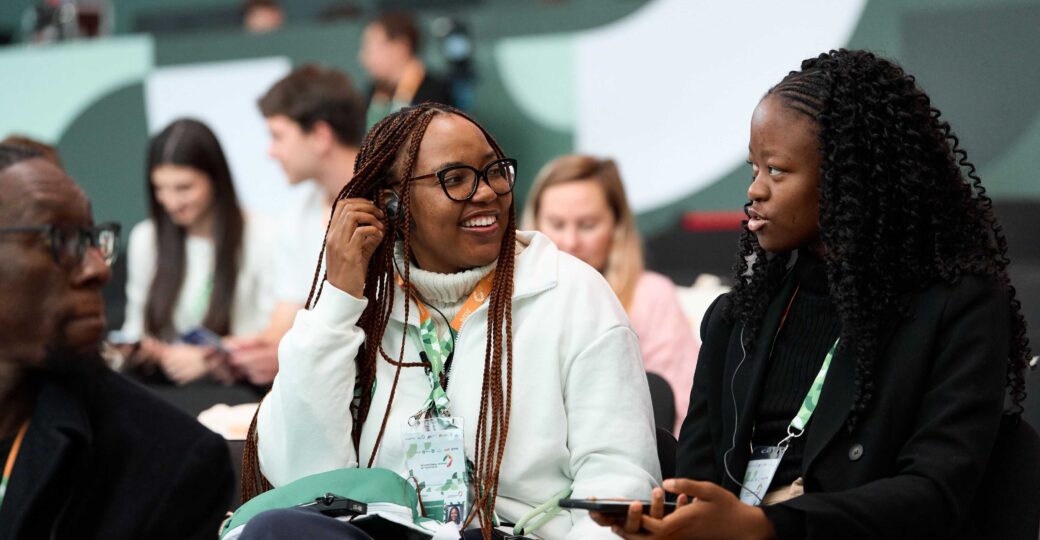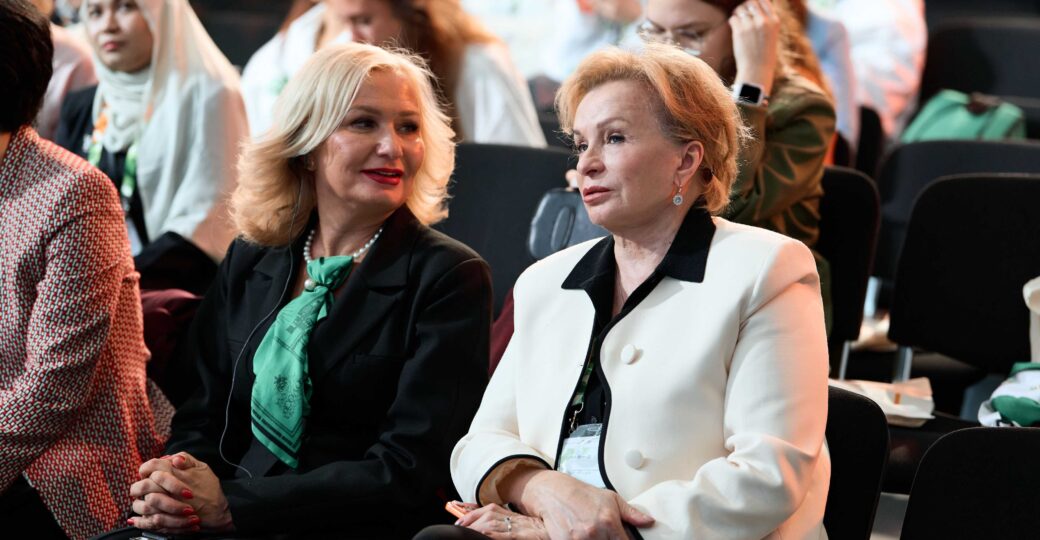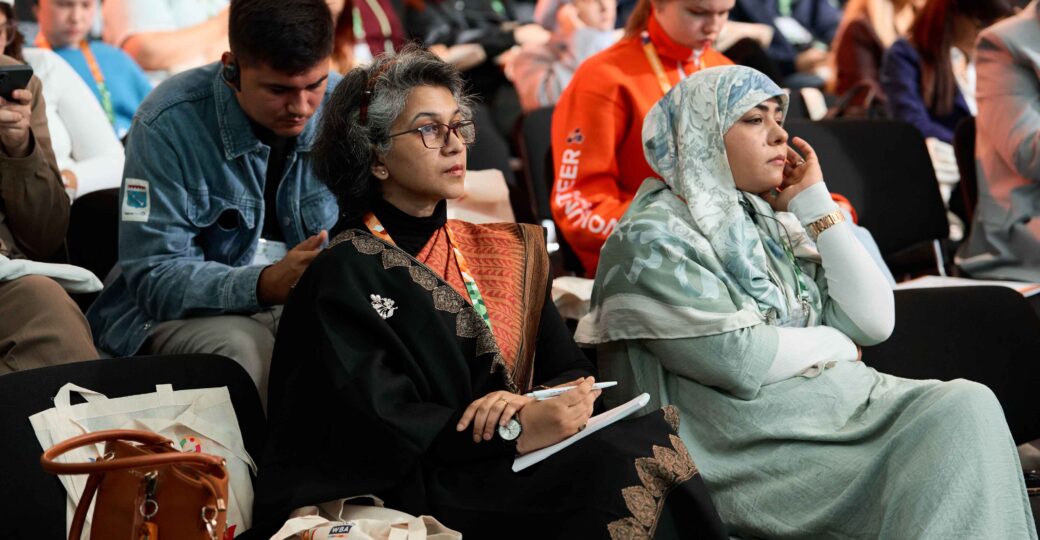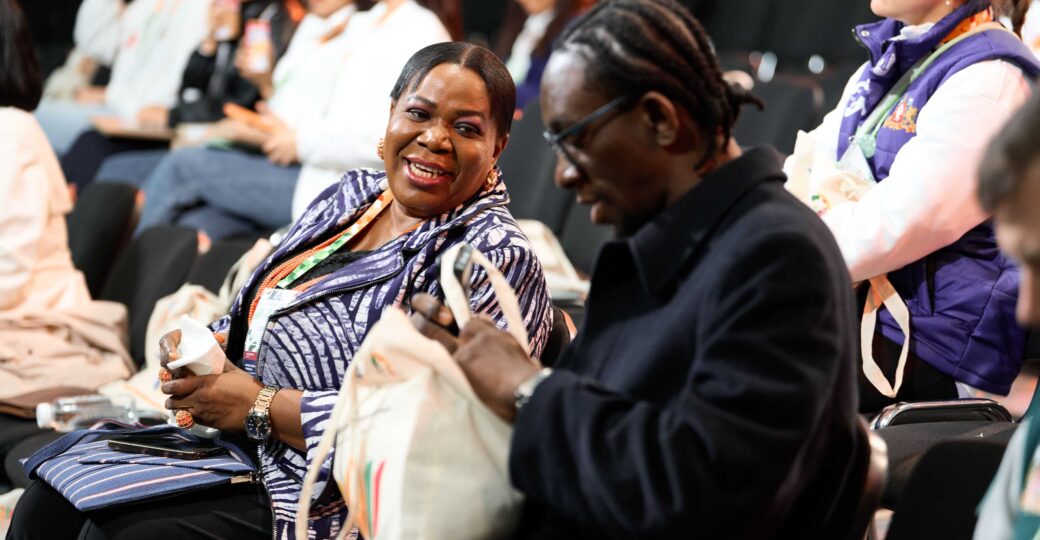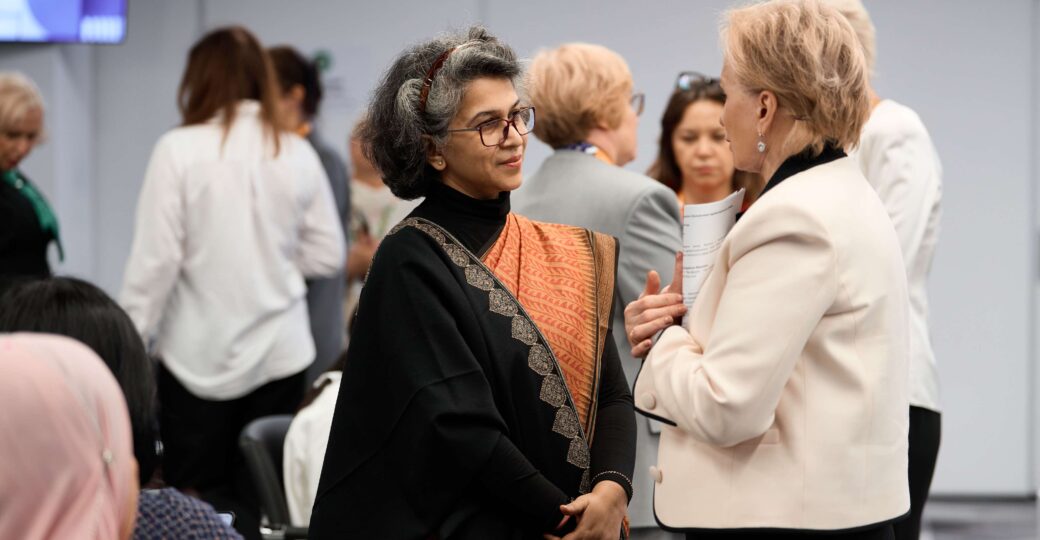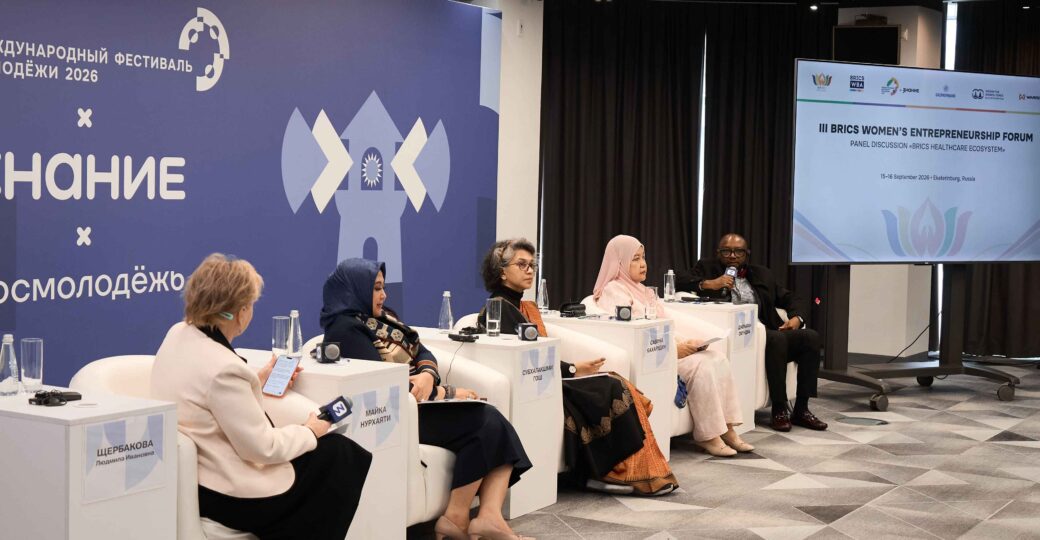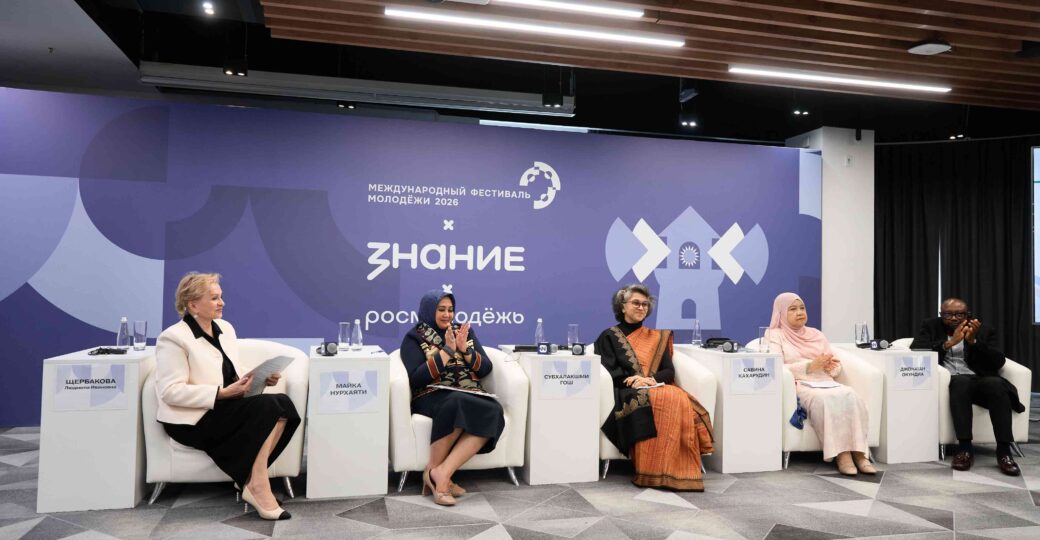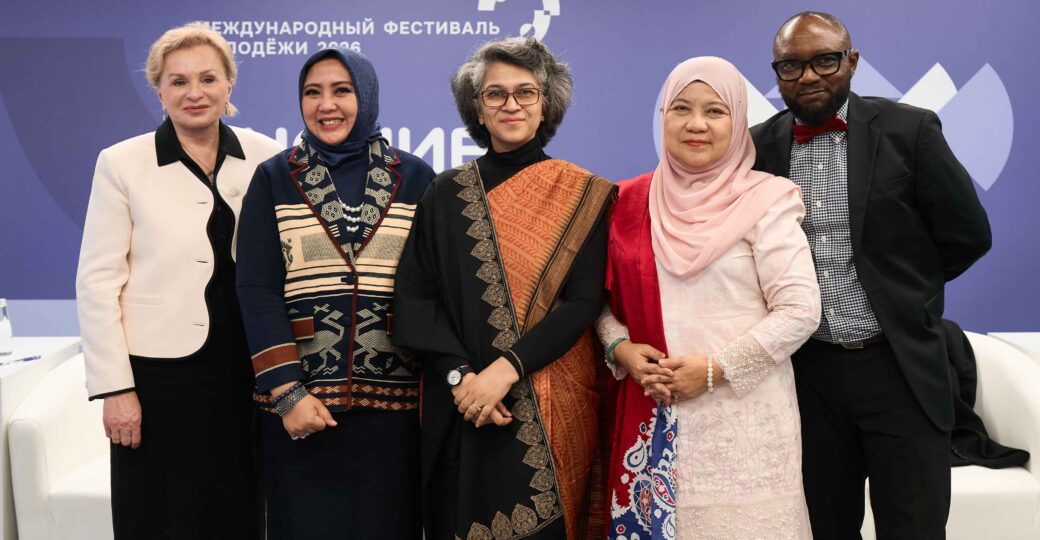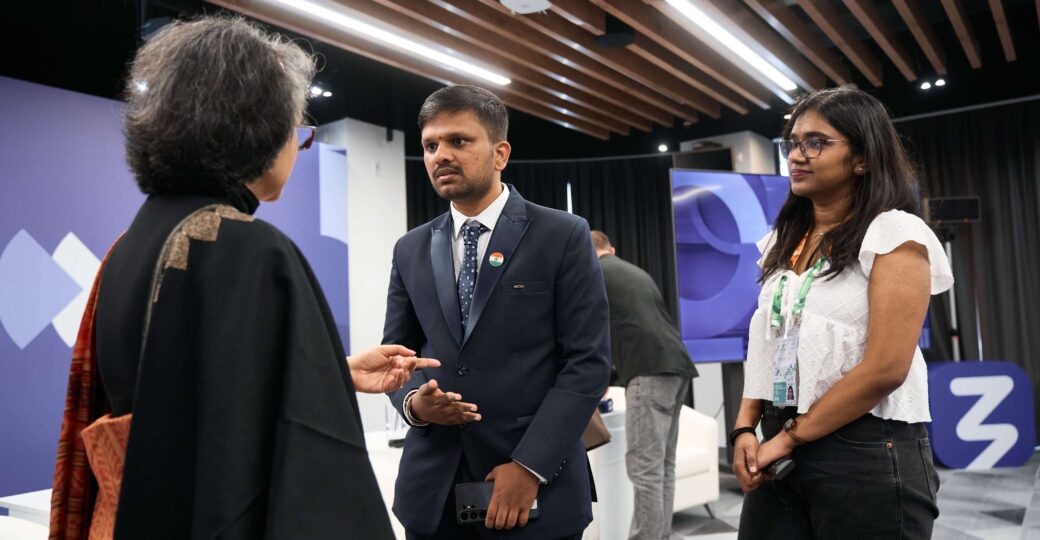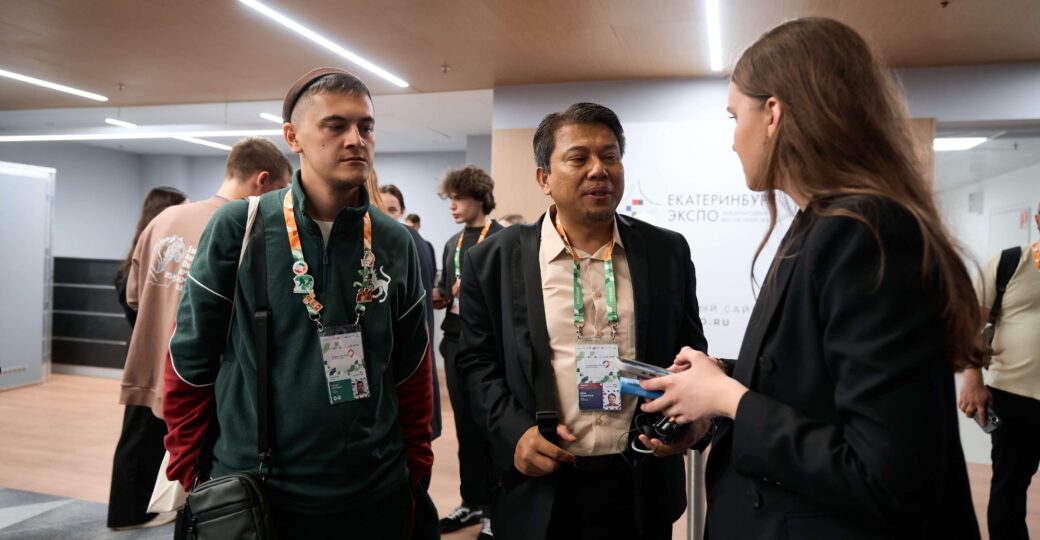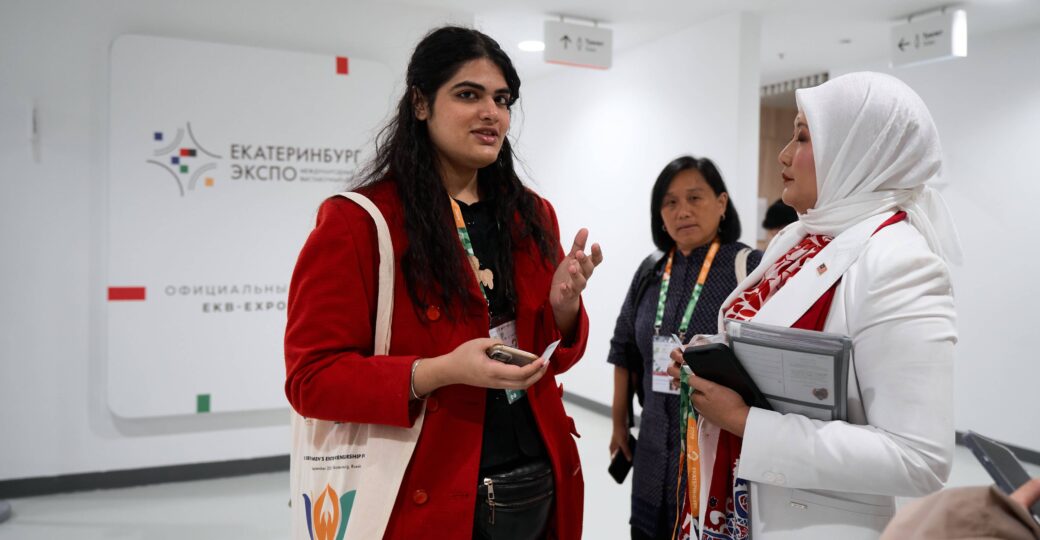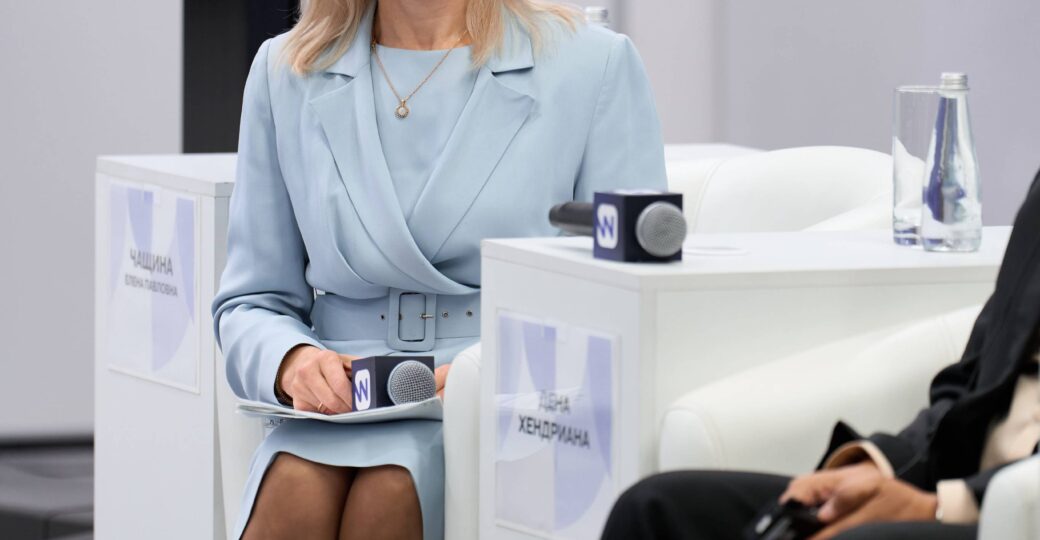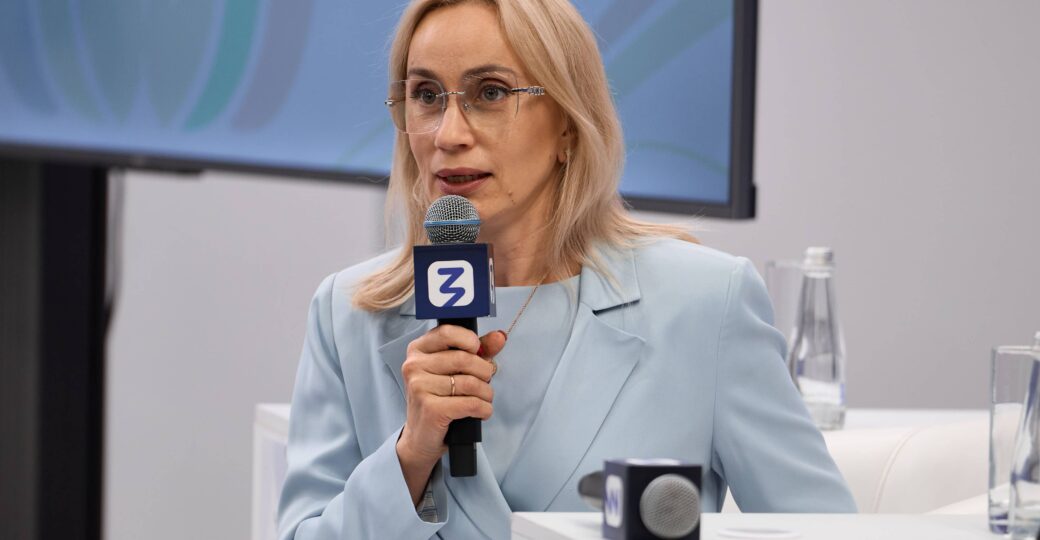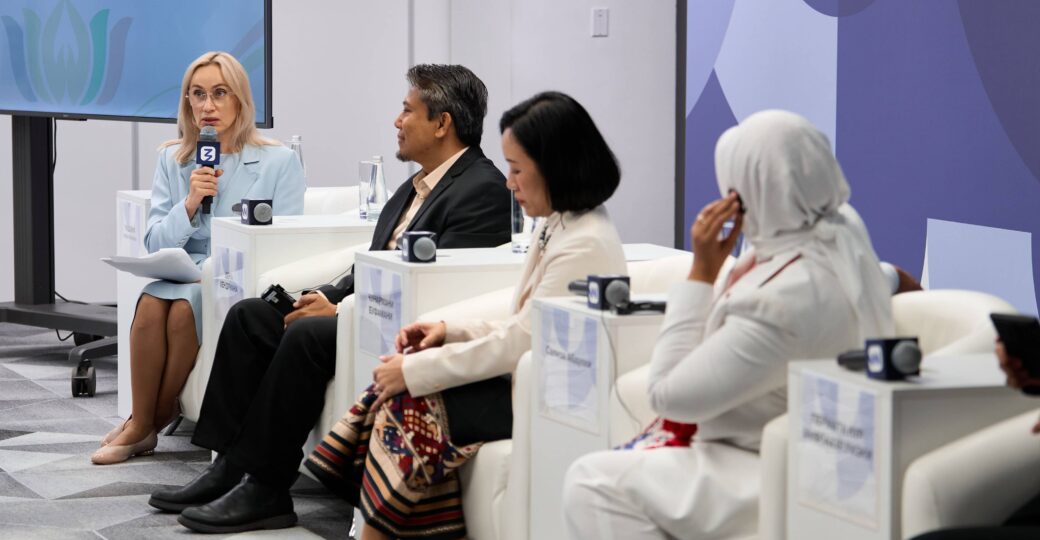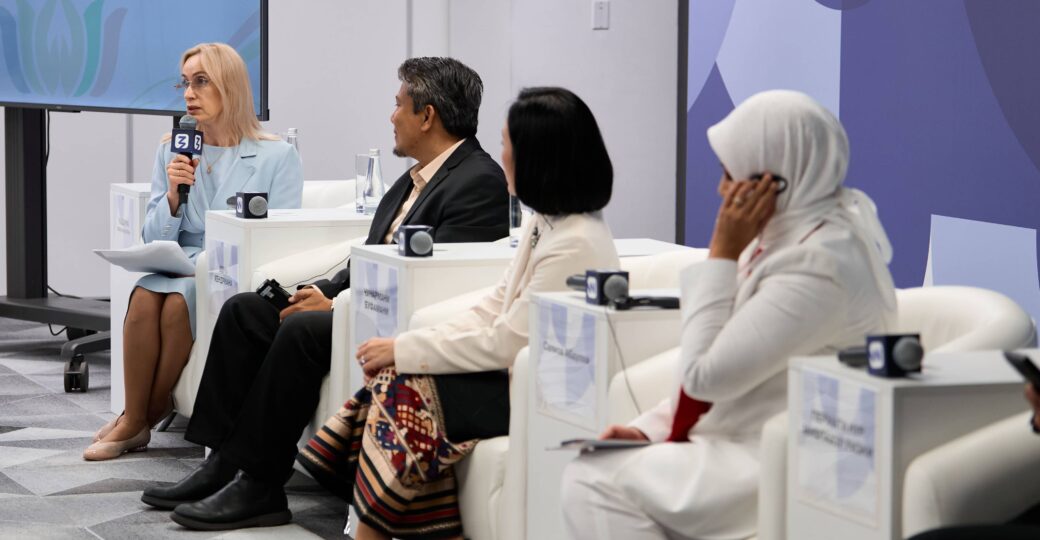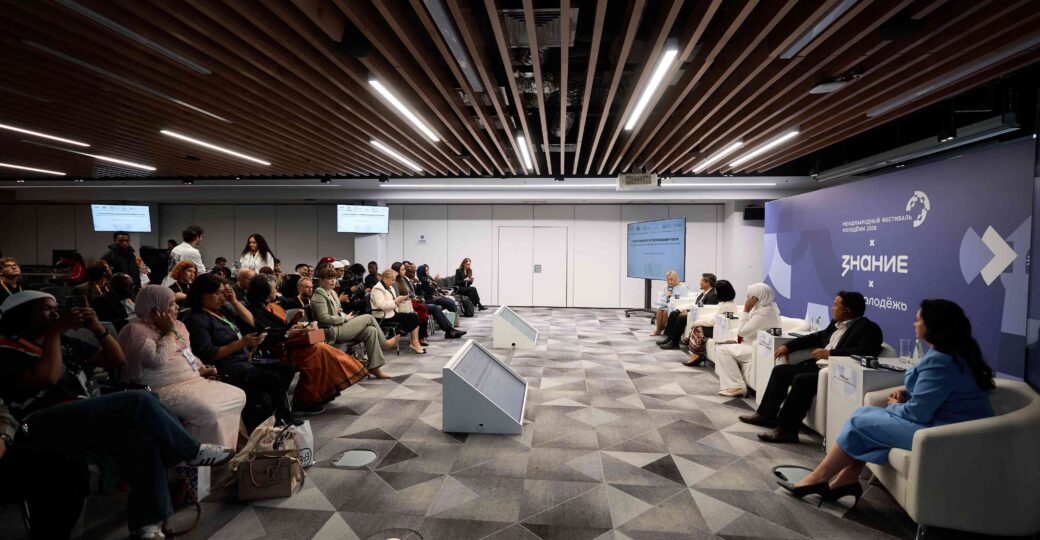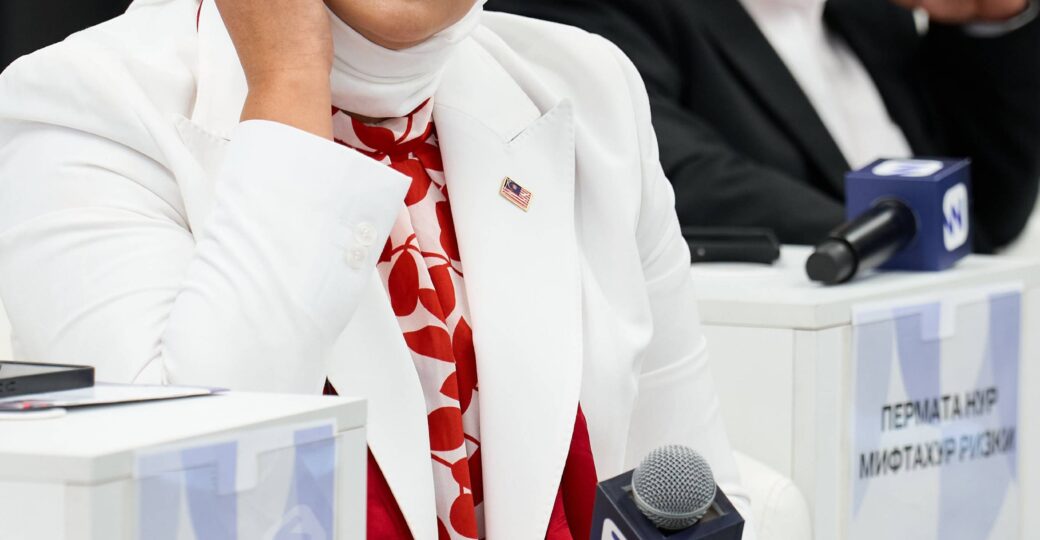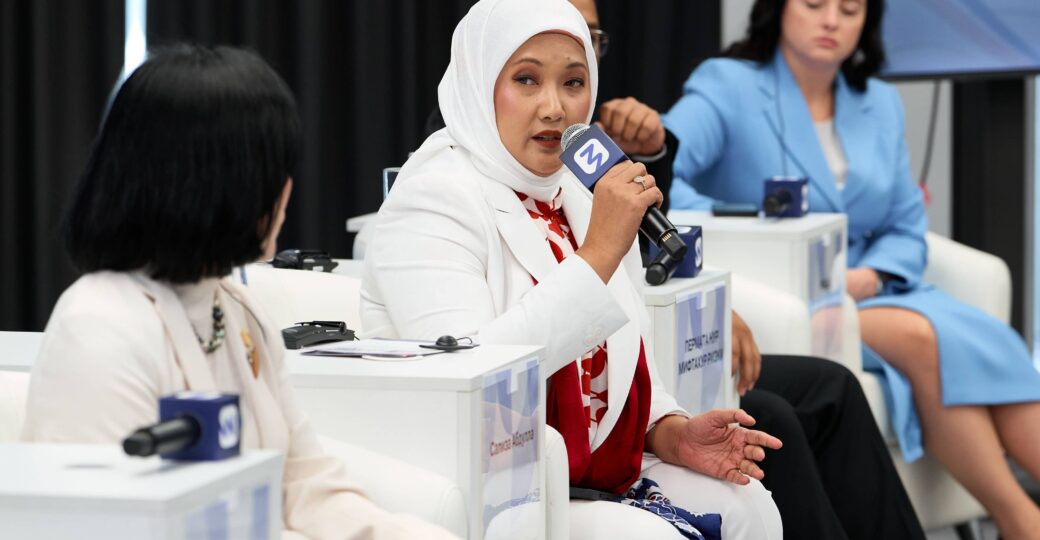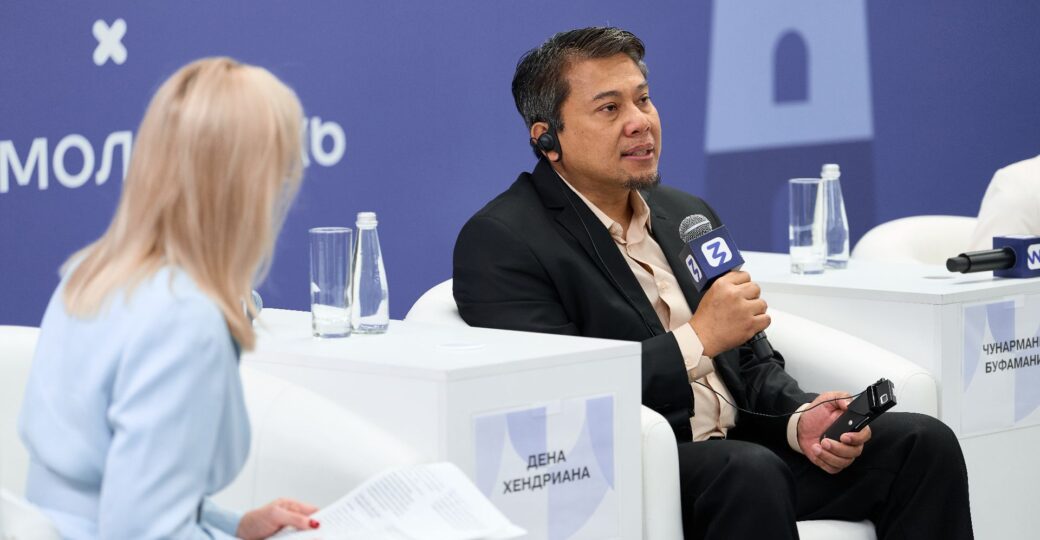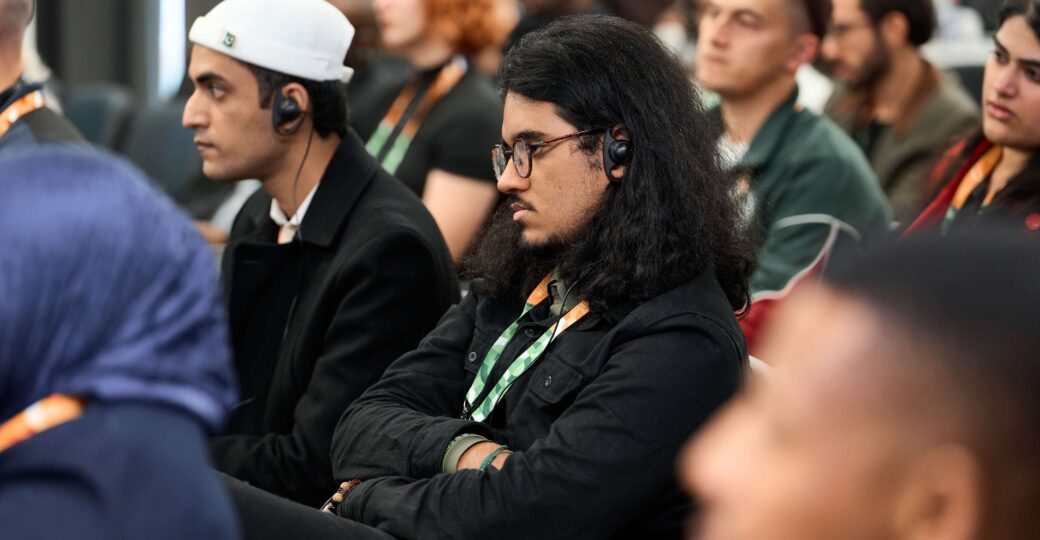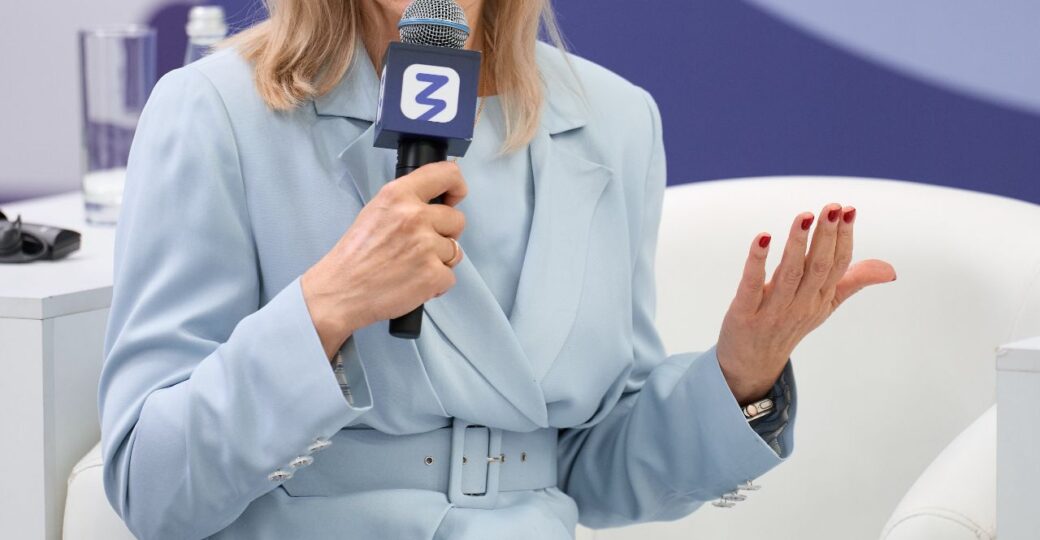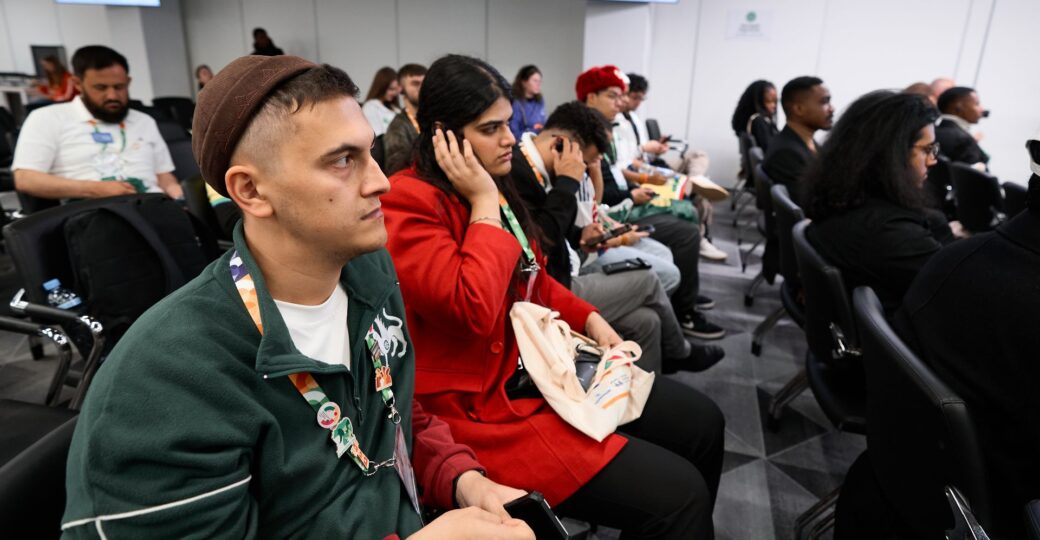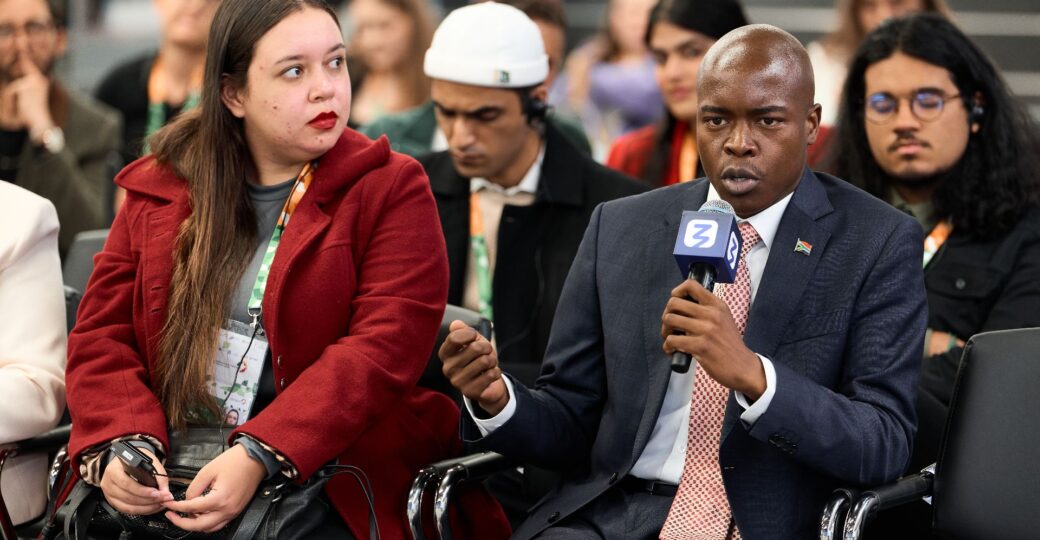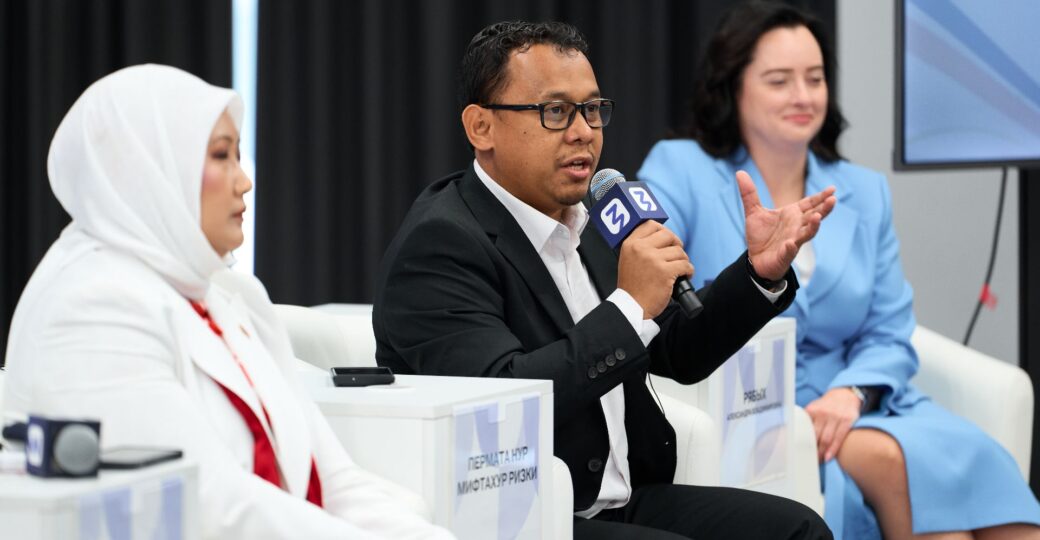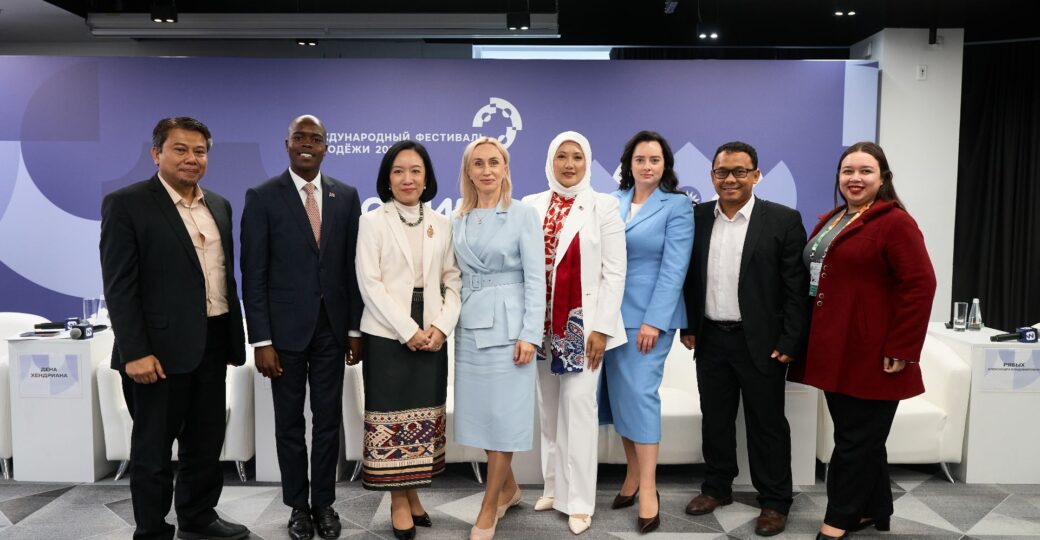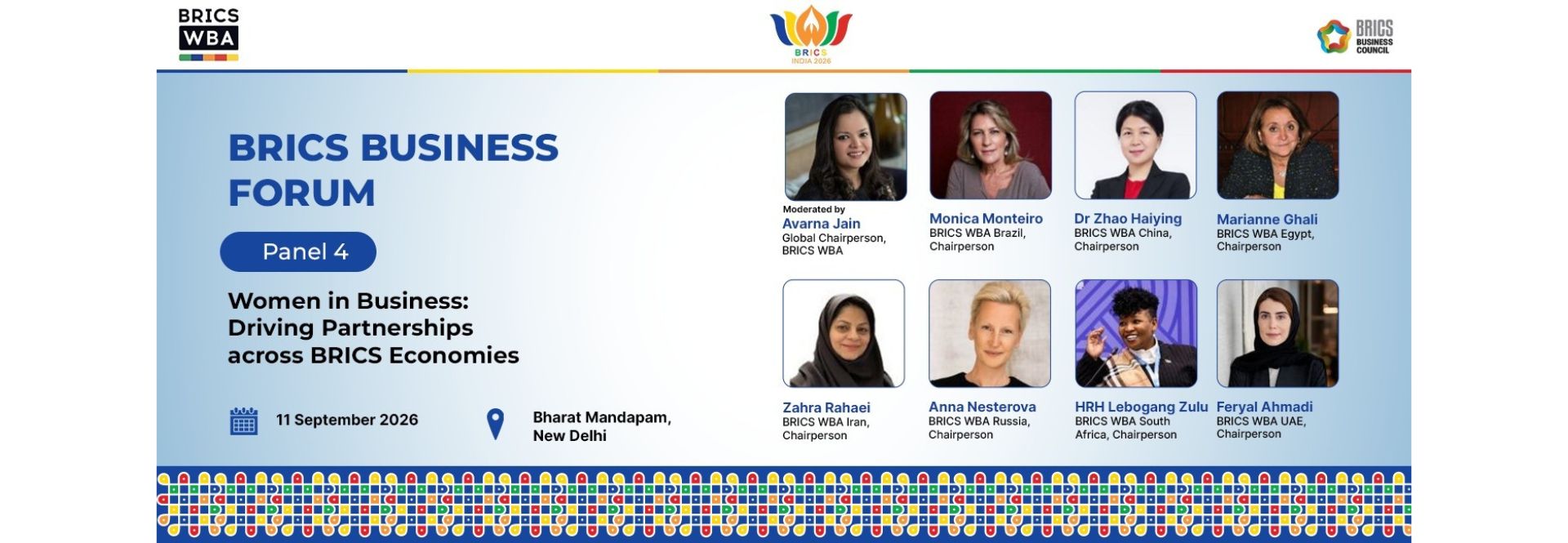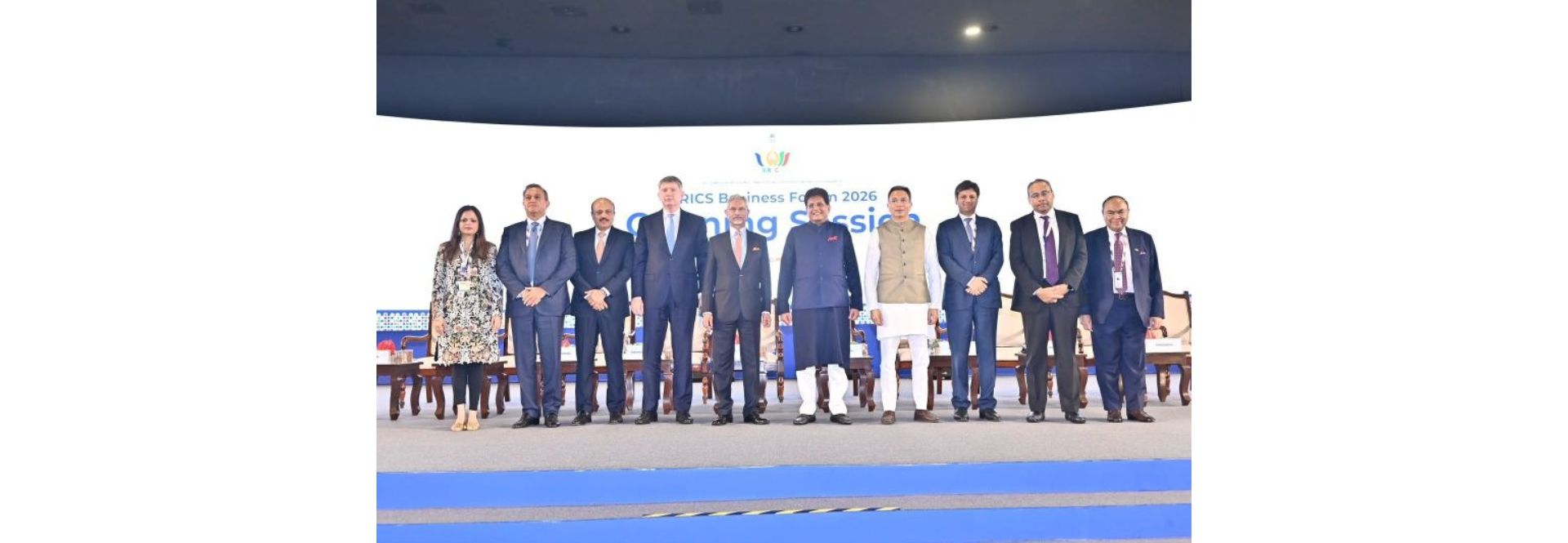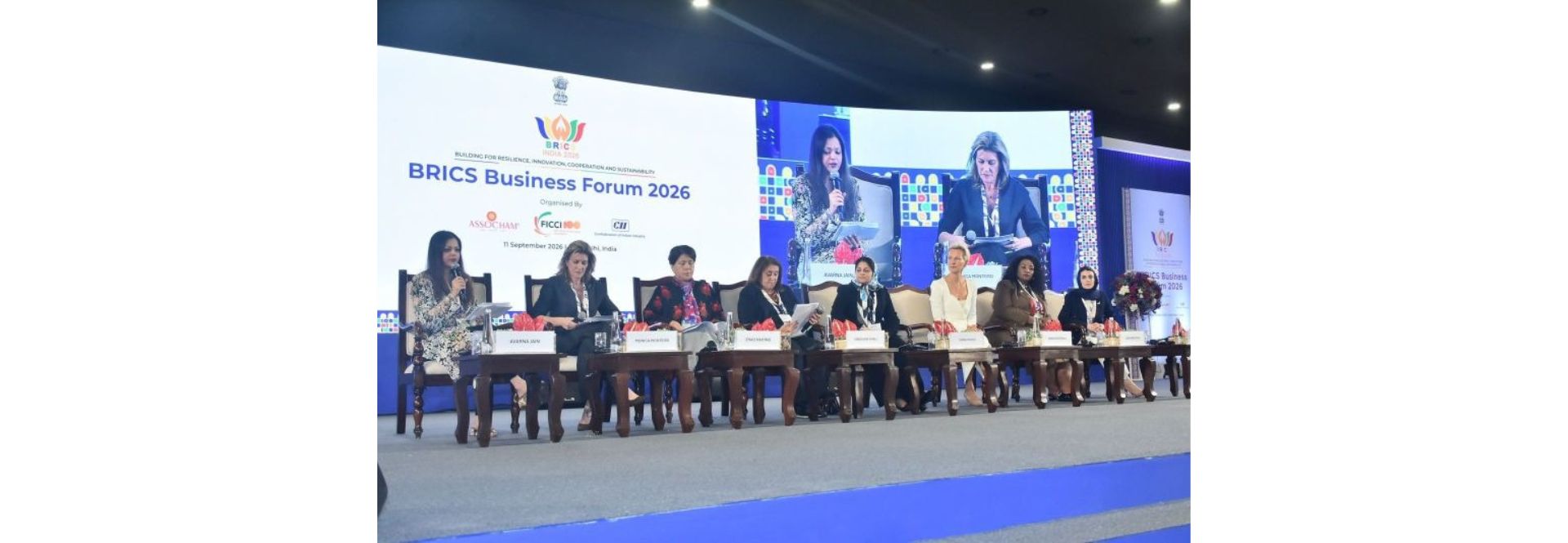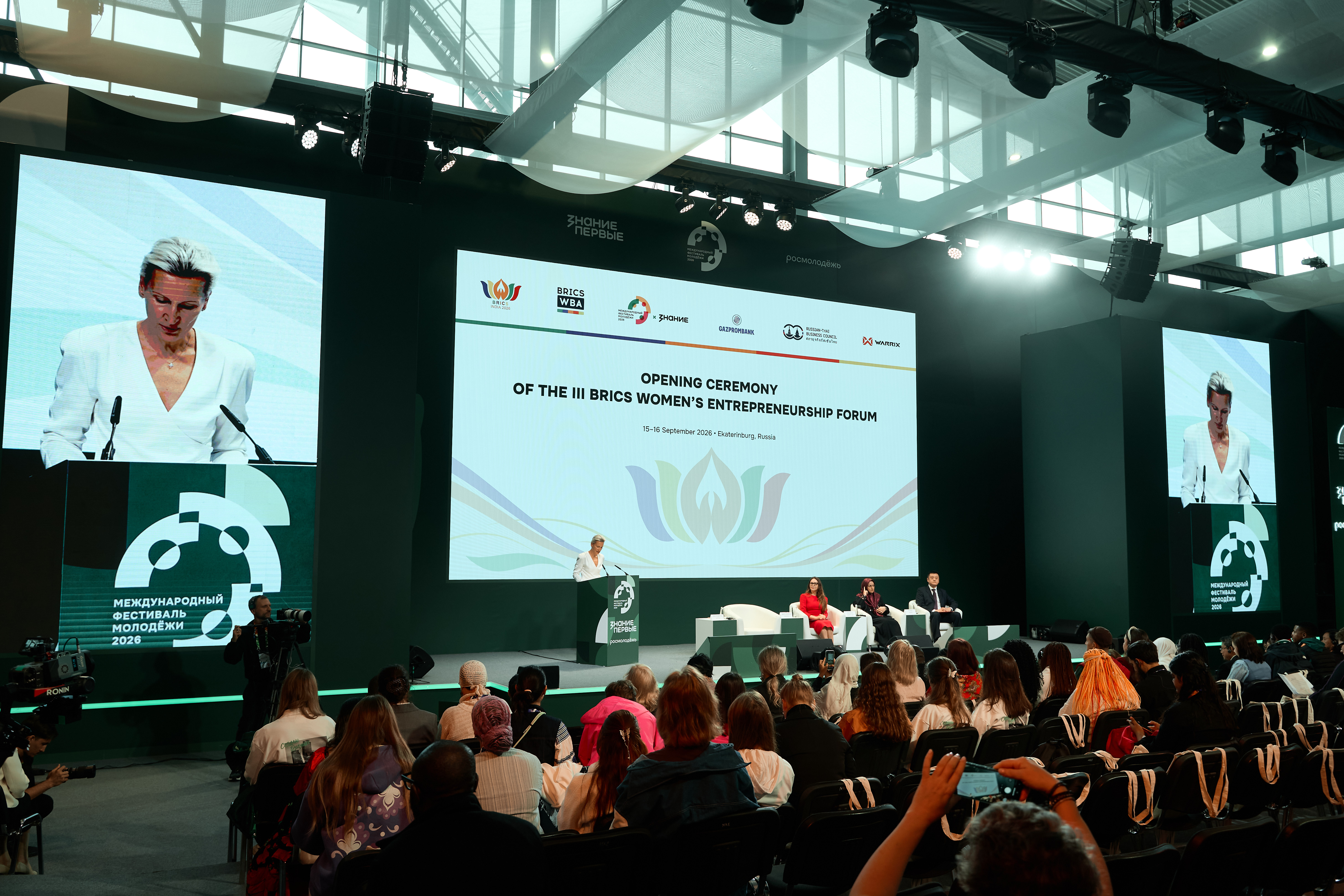


On September 15-16, 2026, Ekaterinburg hosted the III BRICS Women’s Entrepreneurship Forum, bringing together more than 200 representatives of business, government, expert communities, youth entrepreneurship, major banks and financial institutions from more than 20 countries.
Held on the sidelines of the International Youth Festival 2026, the Forum was organised by the Russian Chapter of the BRICS Women’s Business Alliance.
- The Forum’s Strategic partenr is Gazprombank (Joint Stock Company).
- The Forum’s partners are Russian-Thai Business Council and Thai sportswear manufacturer WARRIX.
The geography of the Forum reflected the increasingly broad international reach of the BRICS business agenda. Delegates represented Belarus, Brazil, China, Egypt, Ethiopia, Gabon, India, Indonesia, Iran, Kazakhstan, Laos, Malaysia, Nigeria, Russia, South Africa, Tajikistan, Uganda, Uzbekistan and Zimbabwe.

For two days, discussions in Ekaterinburg moved across healthcare, finance, technology, creative industries, youth entrepreneurship and cooperation between BRICS and ASEAN. Yet one idea connected the entire programme:
Do Business. Create the Future.
The message reflected the Forum’s practical ambition – to move beyond international dialogue and create the conditions for partnerships, investments, market access and joint projects.
Opening a New Space for Cooperation
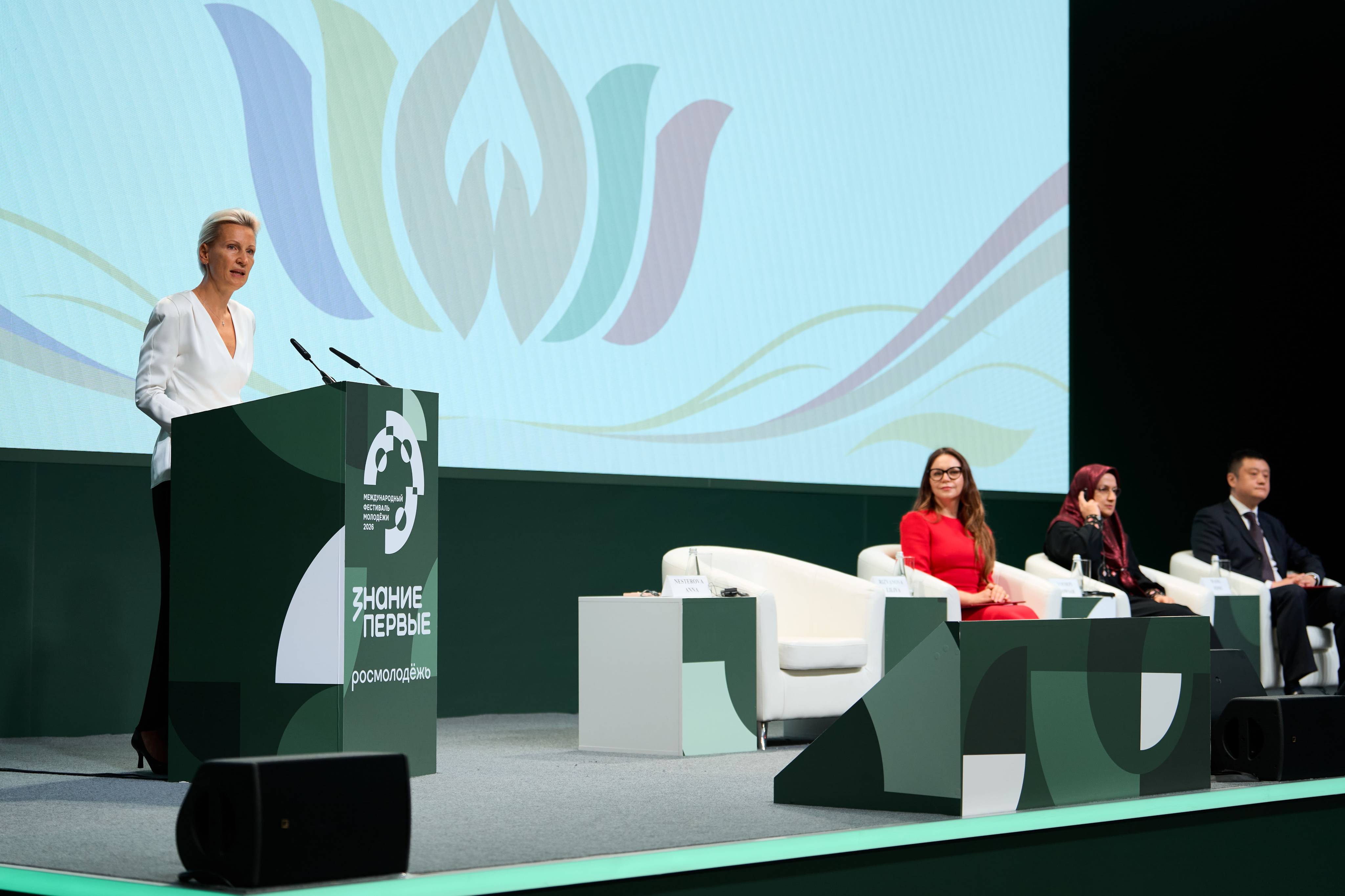
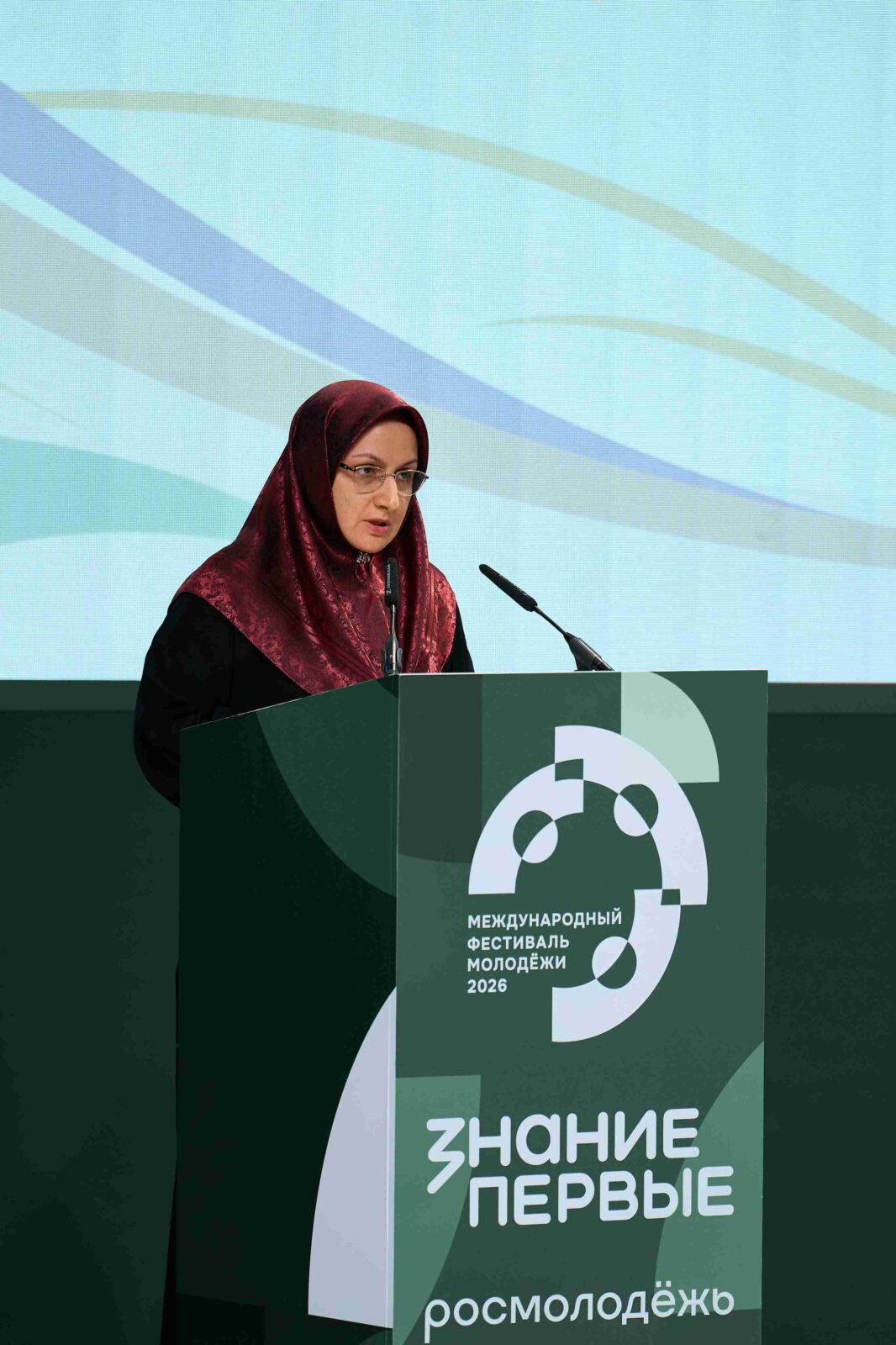
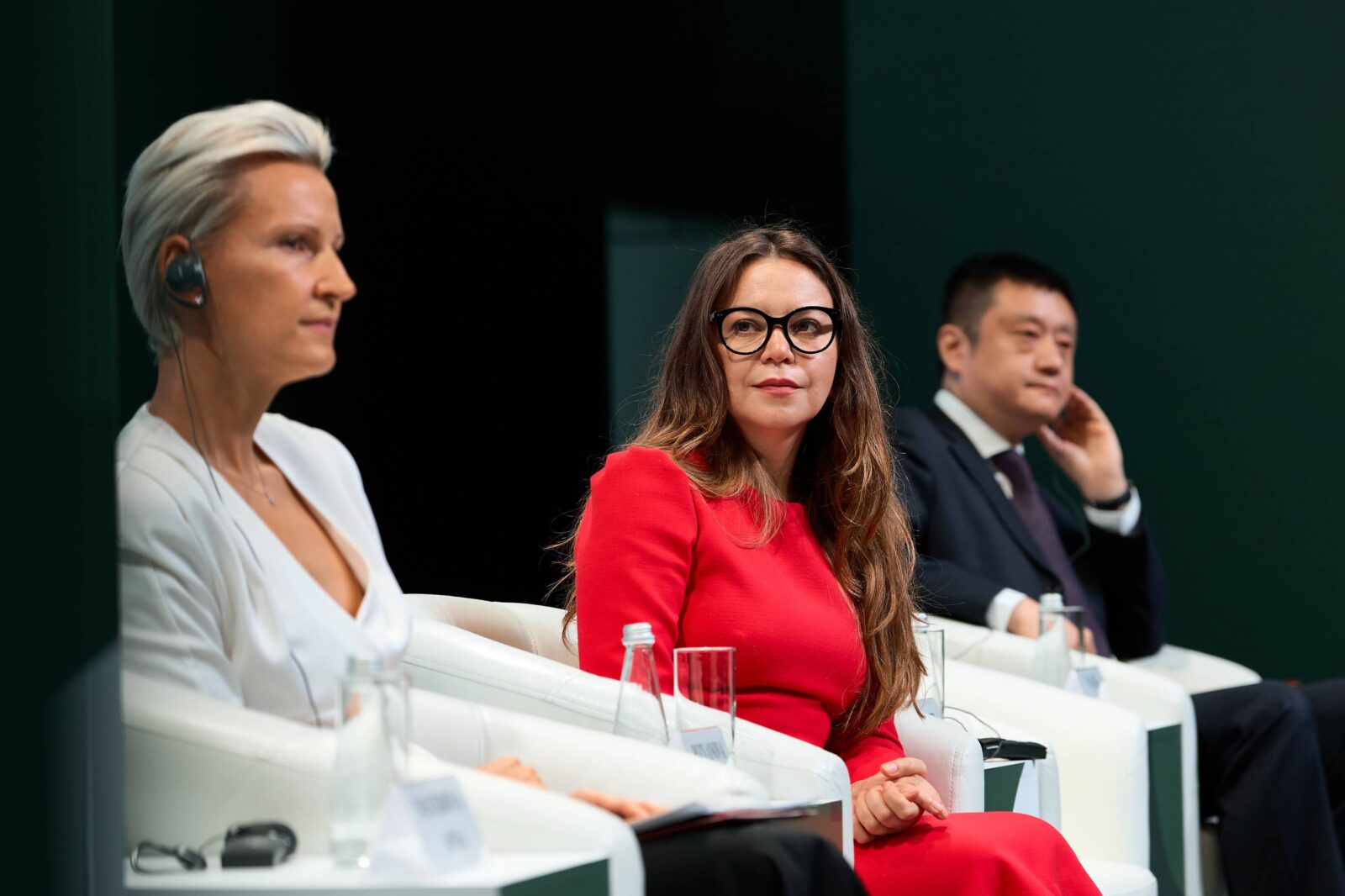
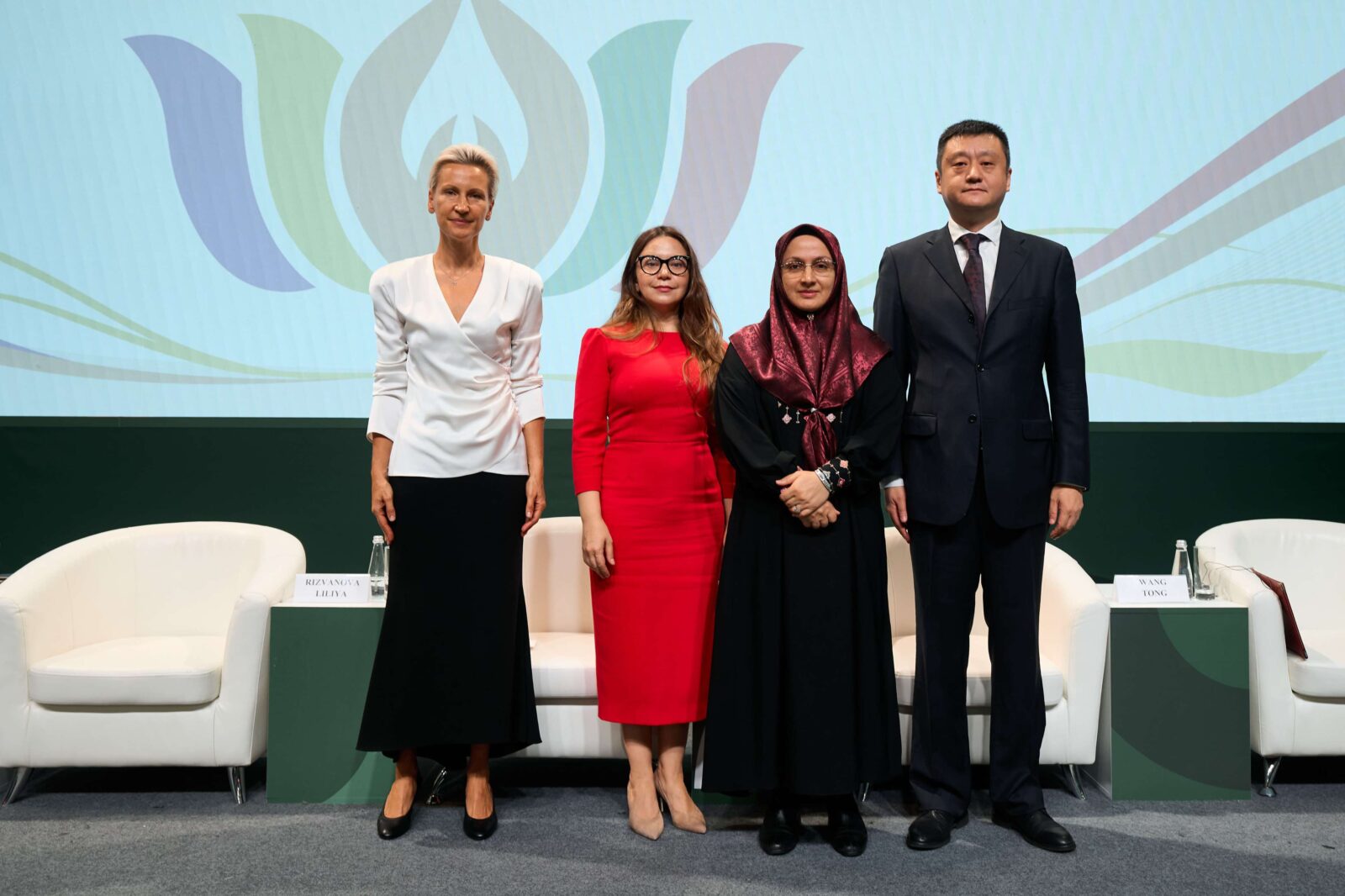
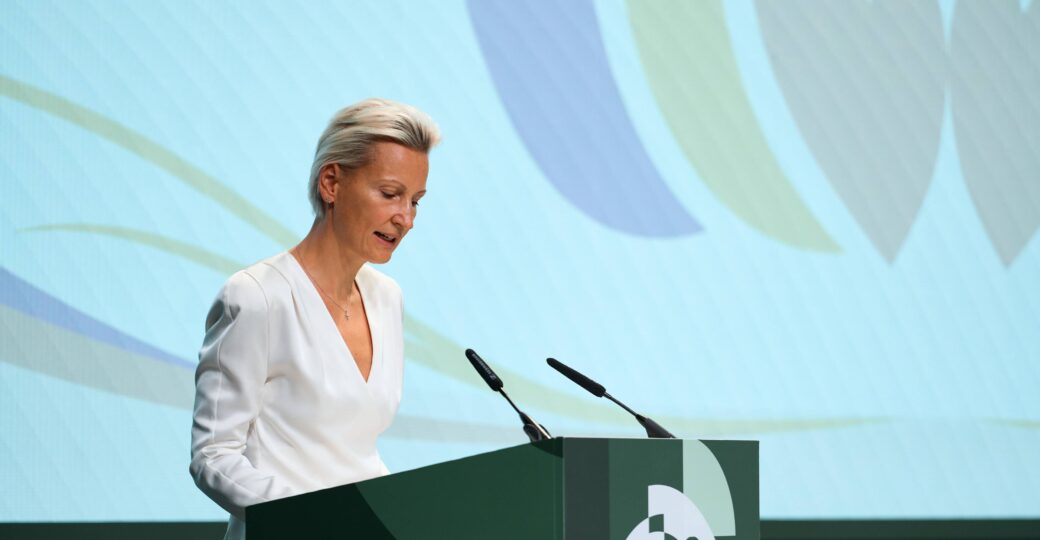
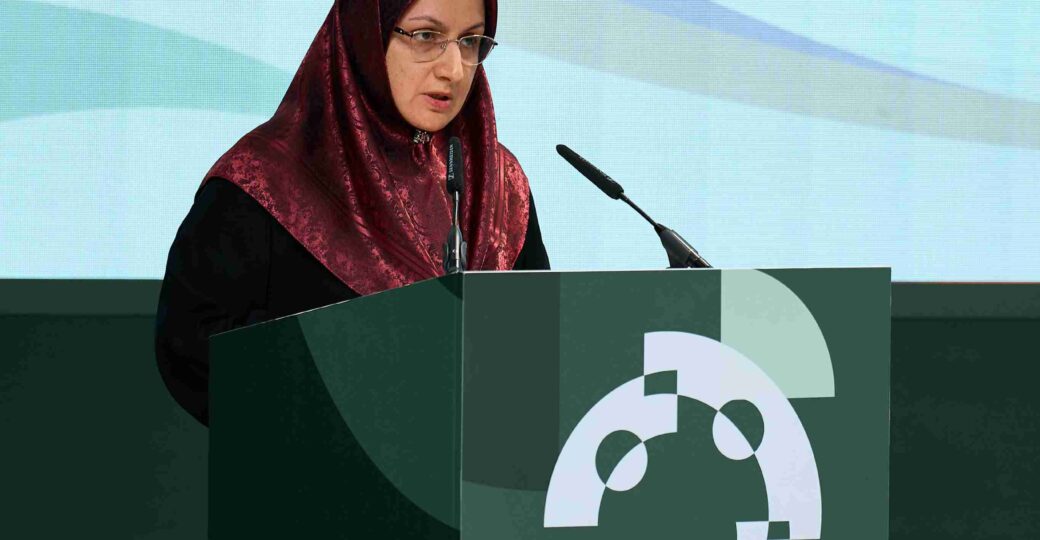
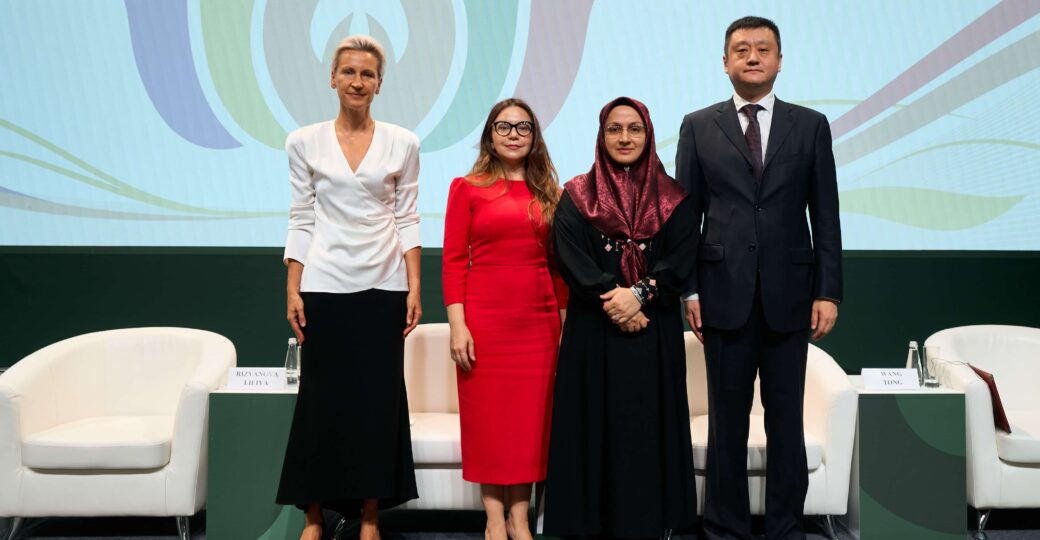
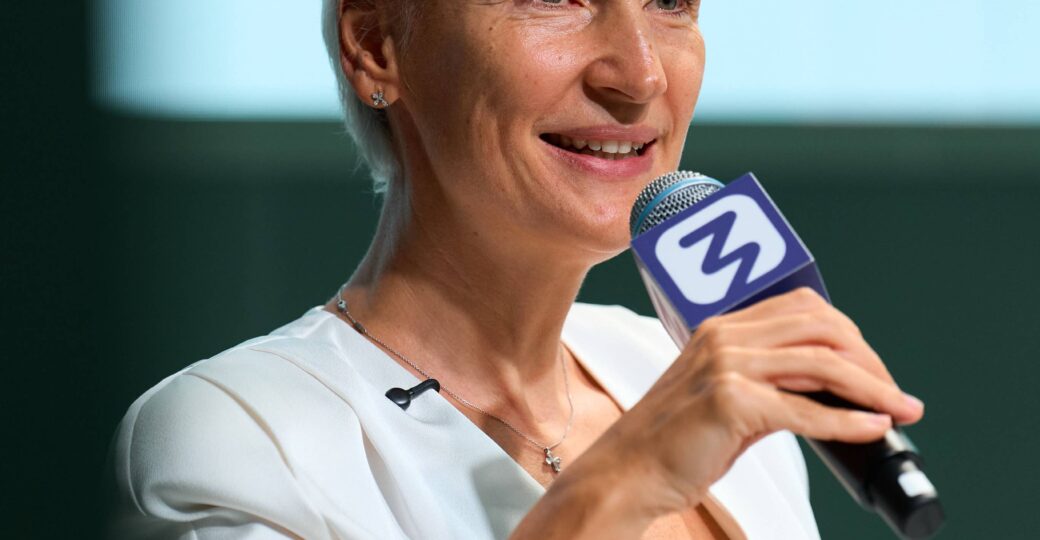
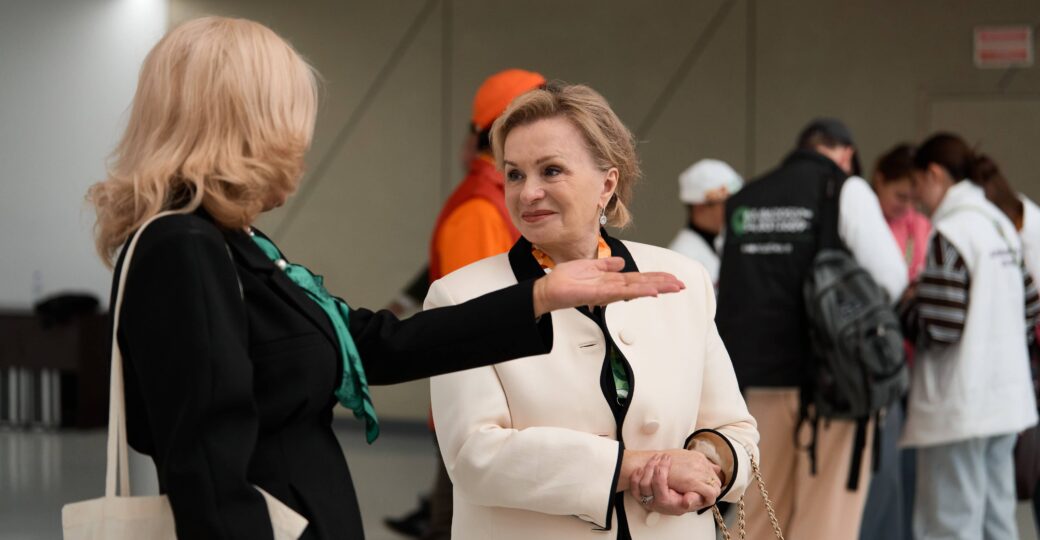
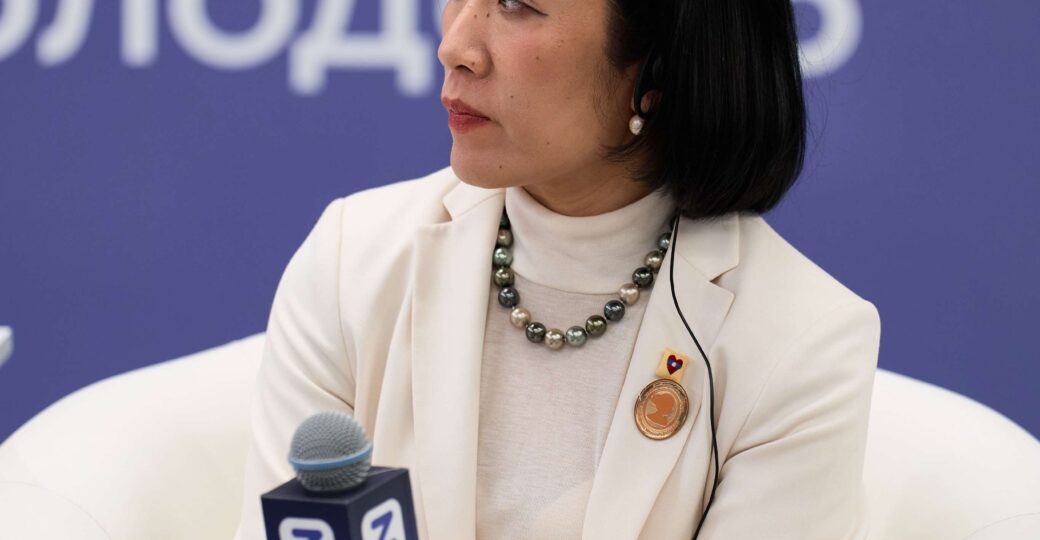
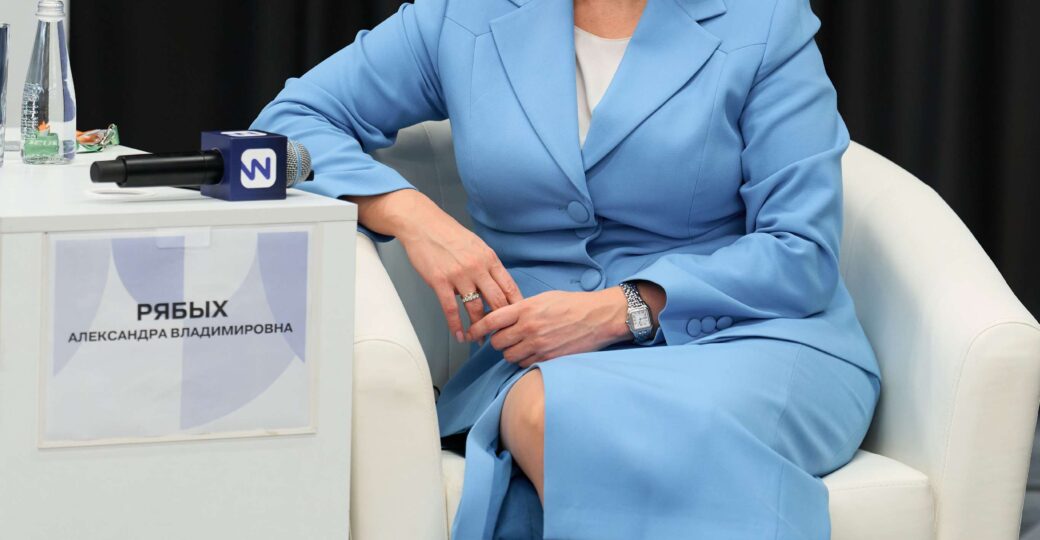
The Forum opened with welcoming remarks from representatives of Russia, Iran and China, alongside Anna Nesterova, Chairperson of the Russian Chapter of the BRICS Women’s Business Alliance.
Liliya Rizvanova, Head of the Department on Russia’s Participation in BRICS, Foreign Policy Planning Department, Ministry of Foreign Affairs of the Russian Federation, addressed participants on behalf of Deputy Foreign Minister and Russia’s Sherpa for BRICS Sergey Ryabkov. The opening ceremony also featured Kowsar Yousefi, Adviser to the Minister of Foreign Affairs of the Islamic Republic of Iran, and Wang Tong, Acting Consul General of the People’s Republic of China in Ekaterinburg.
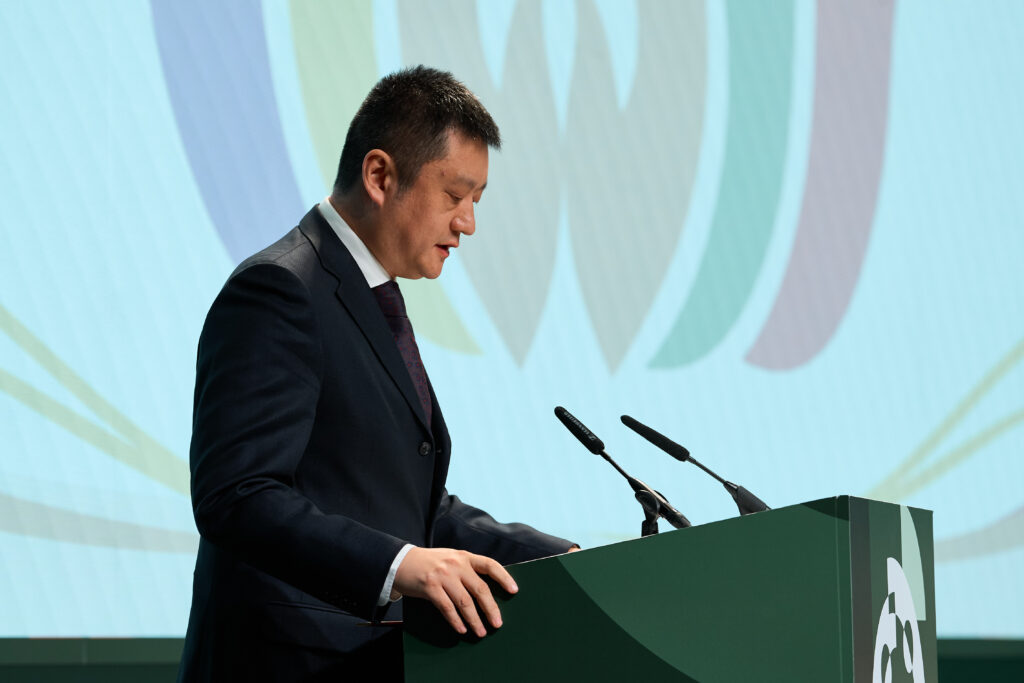
Women entrepreneurs play an indispensable role in BRICS cooperation, making a unique contribution to economic growth, improving people’s quality of life and promoting sustainable social development across BRICS countries.
Mr. Wang Tong
Acting Consul General of the People’s Republic of China in Ekaterinburg
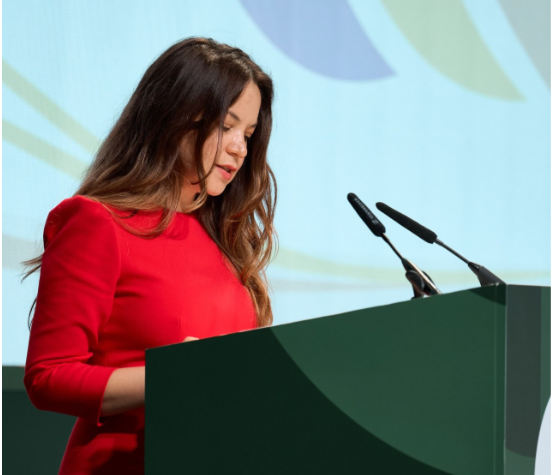
One of the most important results of the BRICS Women’s Business Alliance, I believe, is that today a woman entrepreneur from one BRICS country no longer sees the other BRICS countries as distant and unfamiliar markets, but as a common business space where she can scale her company.
सुश्री लिलिया रिज़वानोवा
Head of the Department on Russia’s Participation in BRICS, Foreign Policy Planning Department, Ministry of Foreign Affairs of the Russian Federation
From Dialogue to Action
The central theme running through the Forum was clear: international cooperation must increasingly move from discussion to implementation.
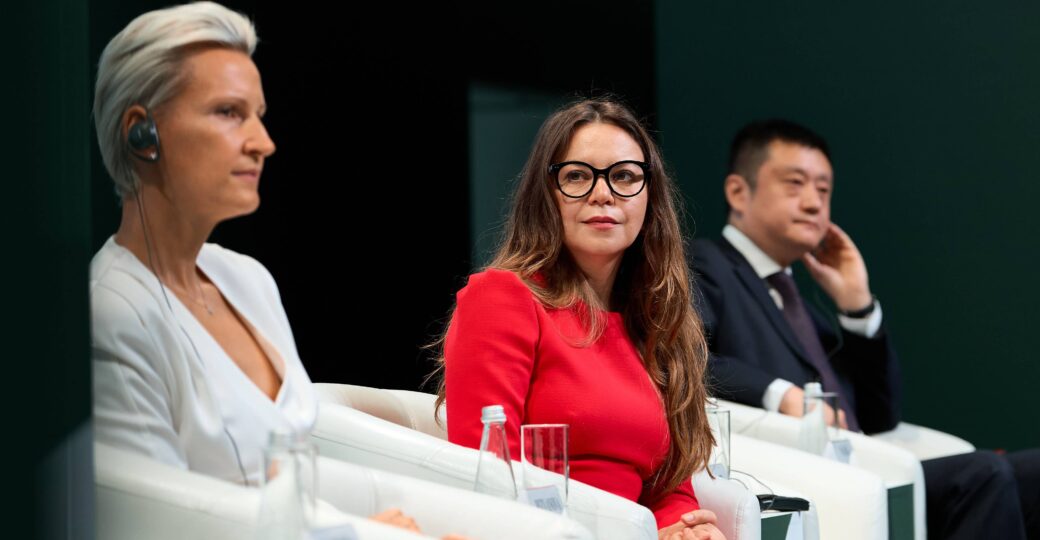
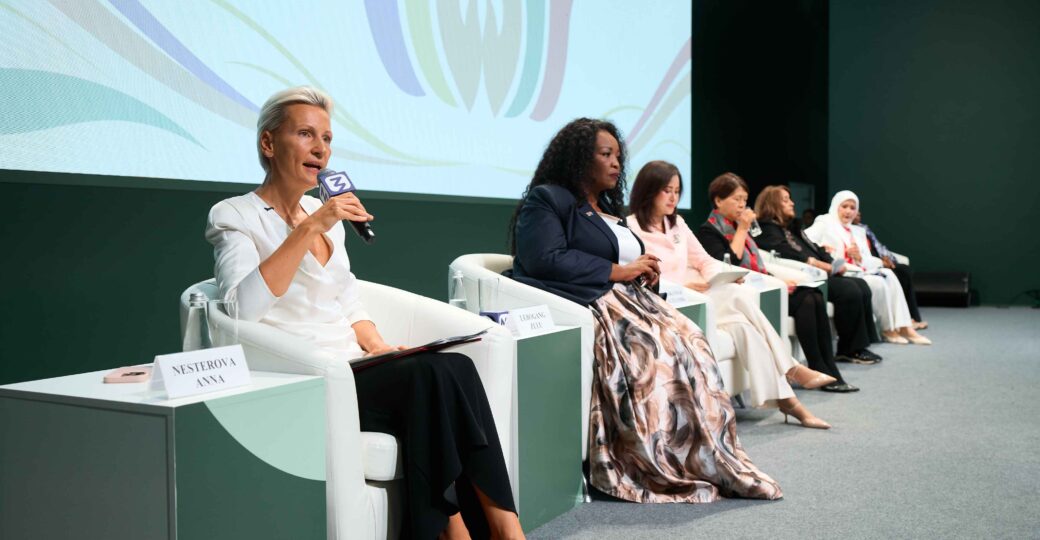
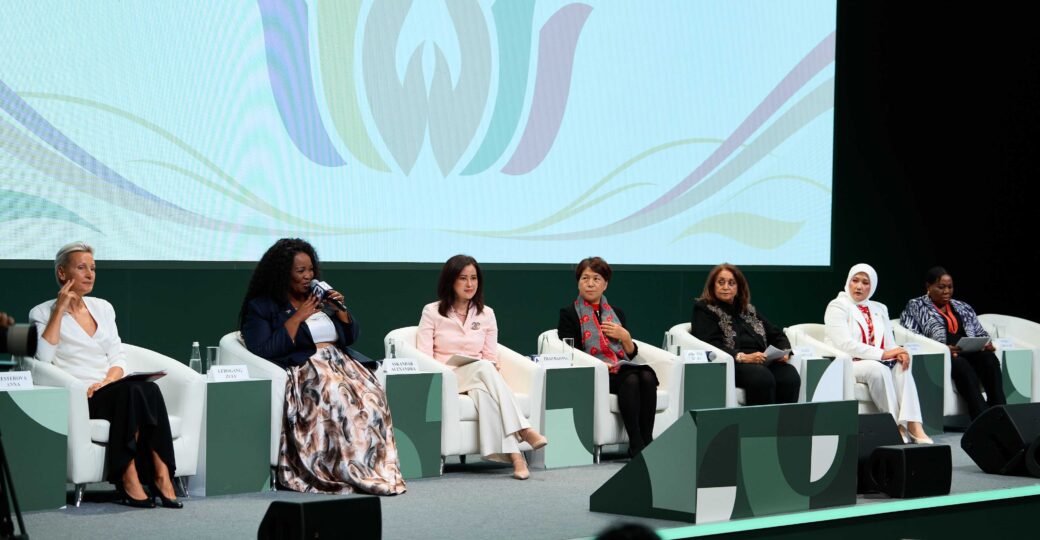
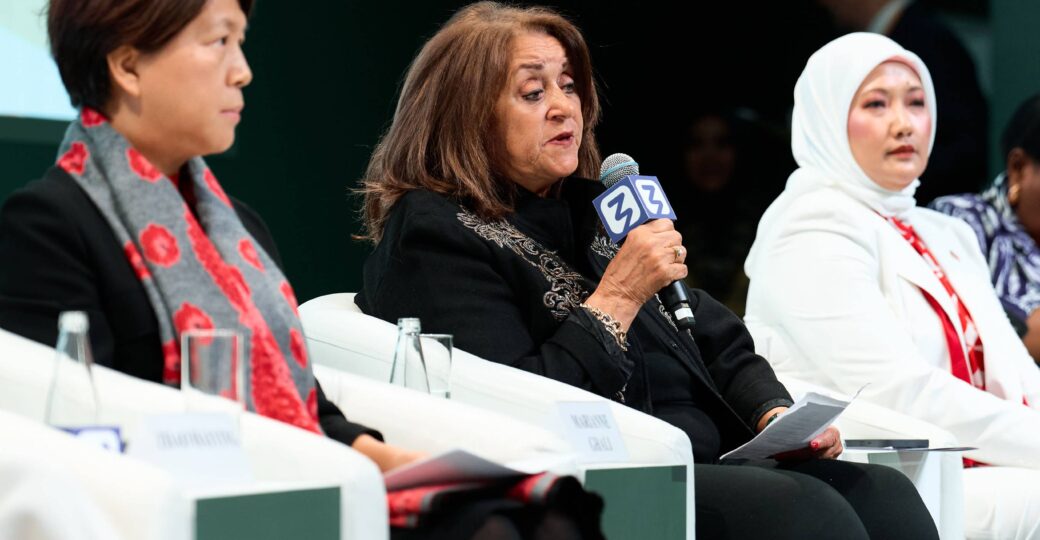
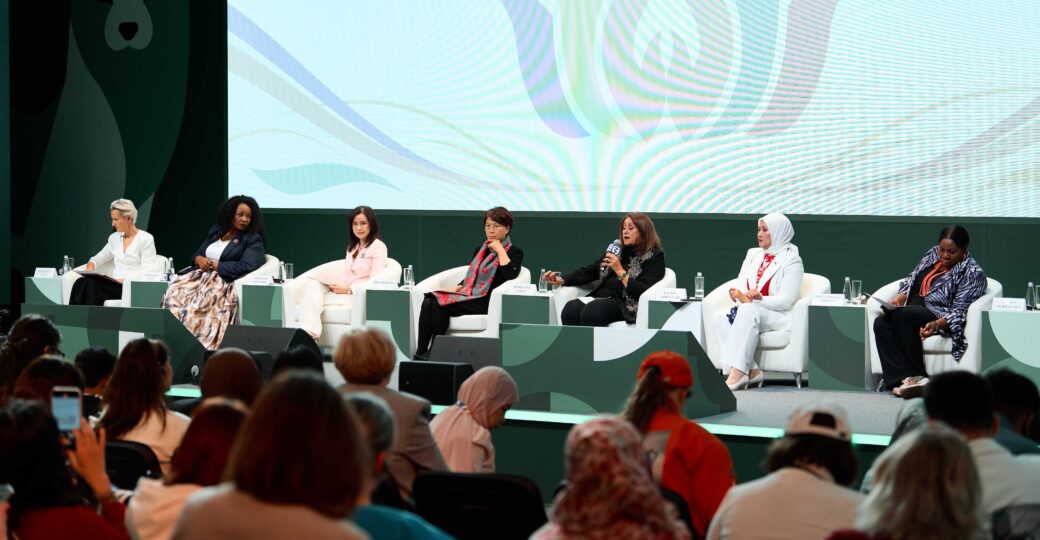
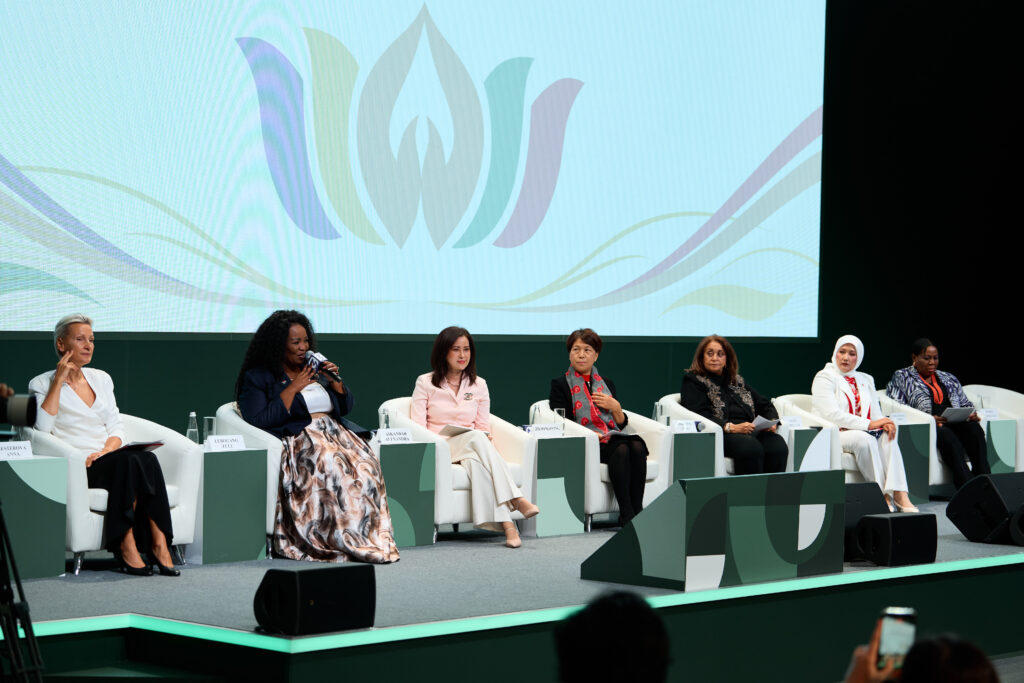
The plenary session, “BRICS and Partners: Exploring New Horizons of Cooperation,” brought together representatives of national chapters of the BRICS Women’s Business Alliance, business leaders and financial sector professionals to discuss how the Alliance can become an increasingly effective mechanism for connecting companies across markets.
The discussion focused not only on the growth of the Alliance, but also on practical tools for entrepreneurs: access to finance, regional offices, market entry, matchmaking between businesses and stronger integration of BRICS partner countries into existing cooperation mechanisms.
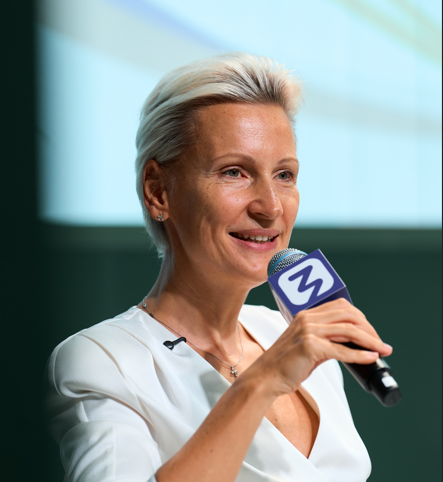
The BRICS Women’s Business Alliance is not just a dialogue platform; it is a mechanism for action.
सुश्री अन्ना नेस्टरोवा
ब्रिक्स डब्ल्यूबीए रूसी चैप्टर की अध्यक्ष, अभिनव विकास पर कार्य समूह की प्रमुख
Building a BRICS Healthcare Ecosystem
Healthcare became one of the Forum’s key areas of substantive cooperation.
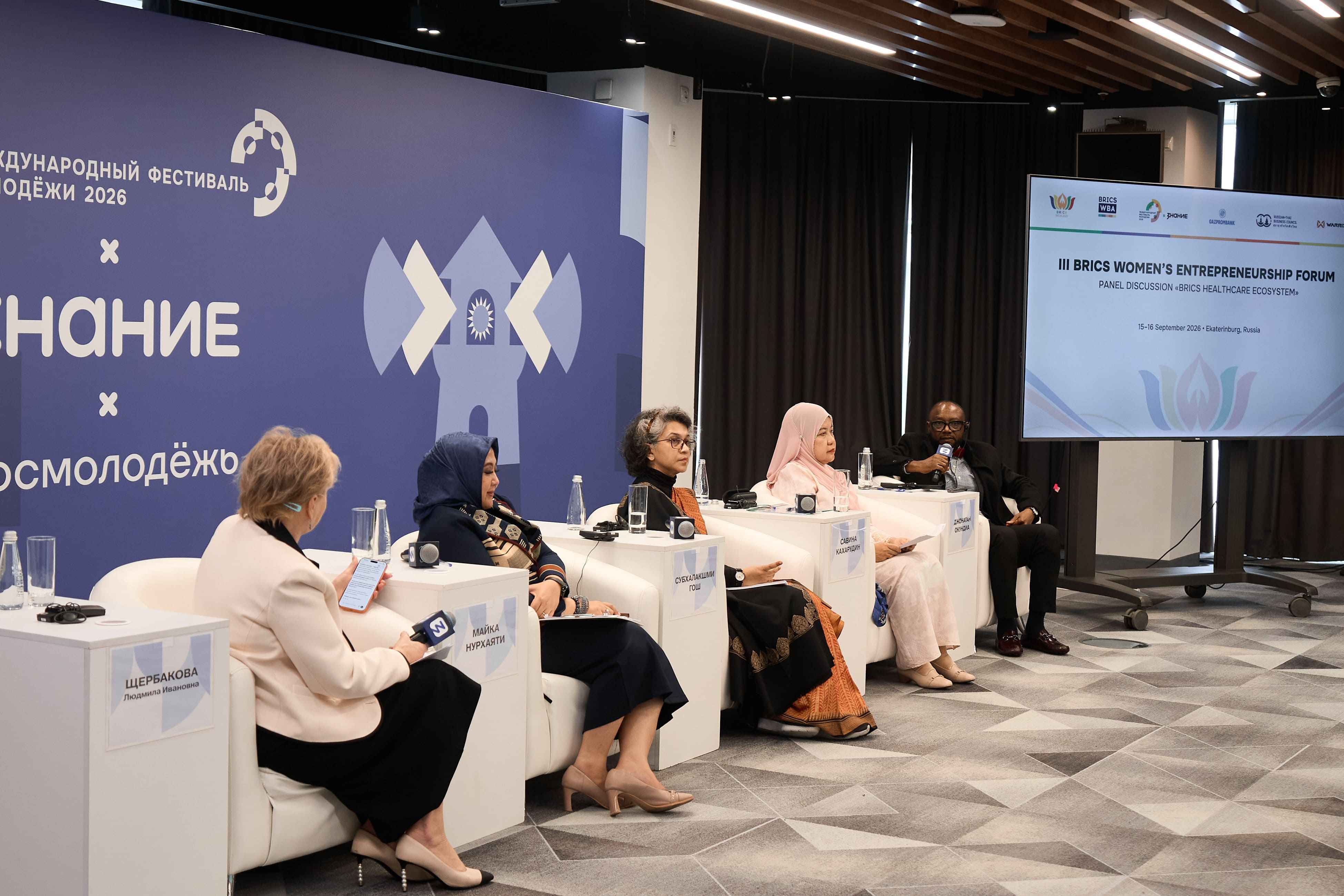
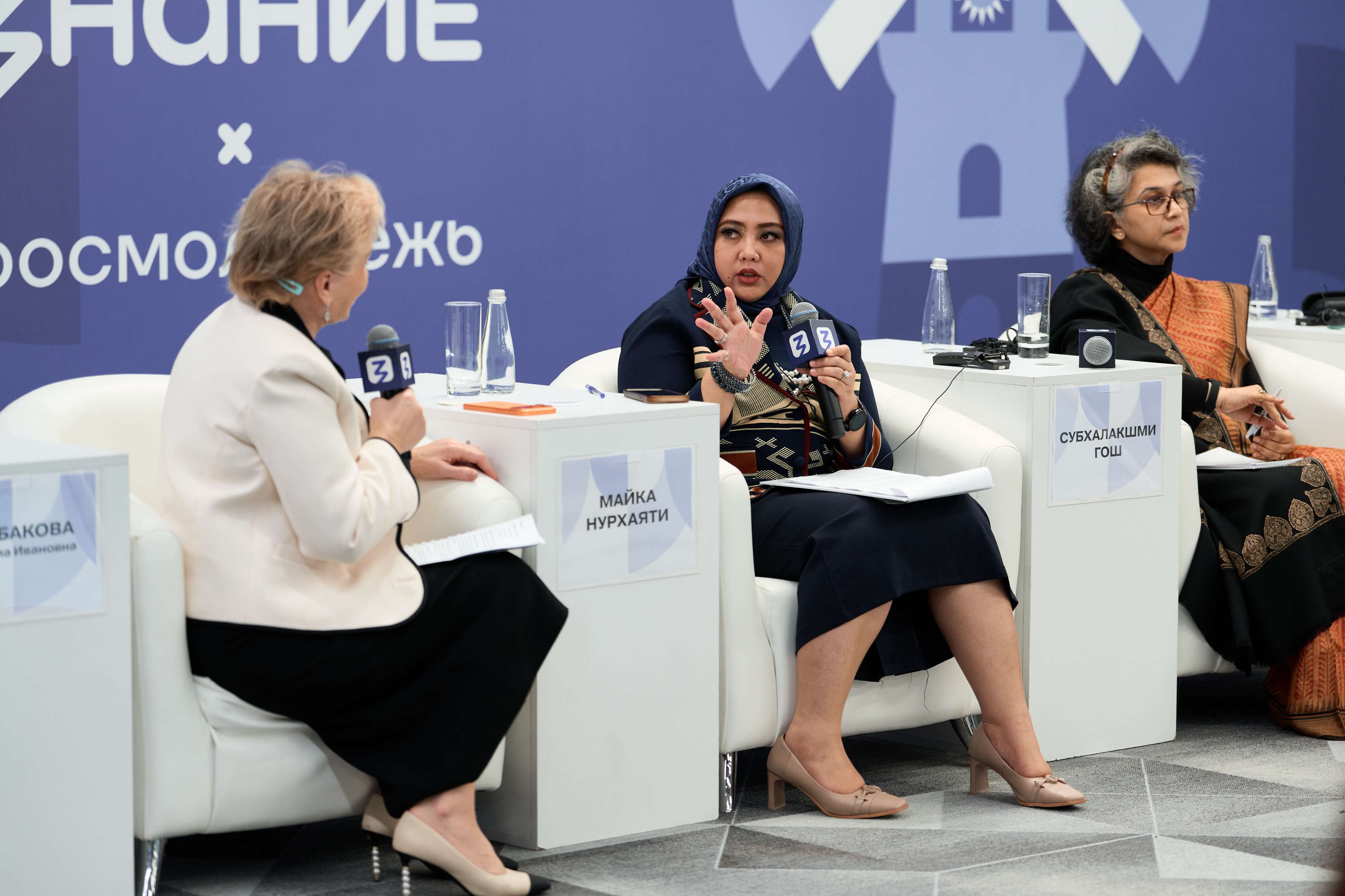
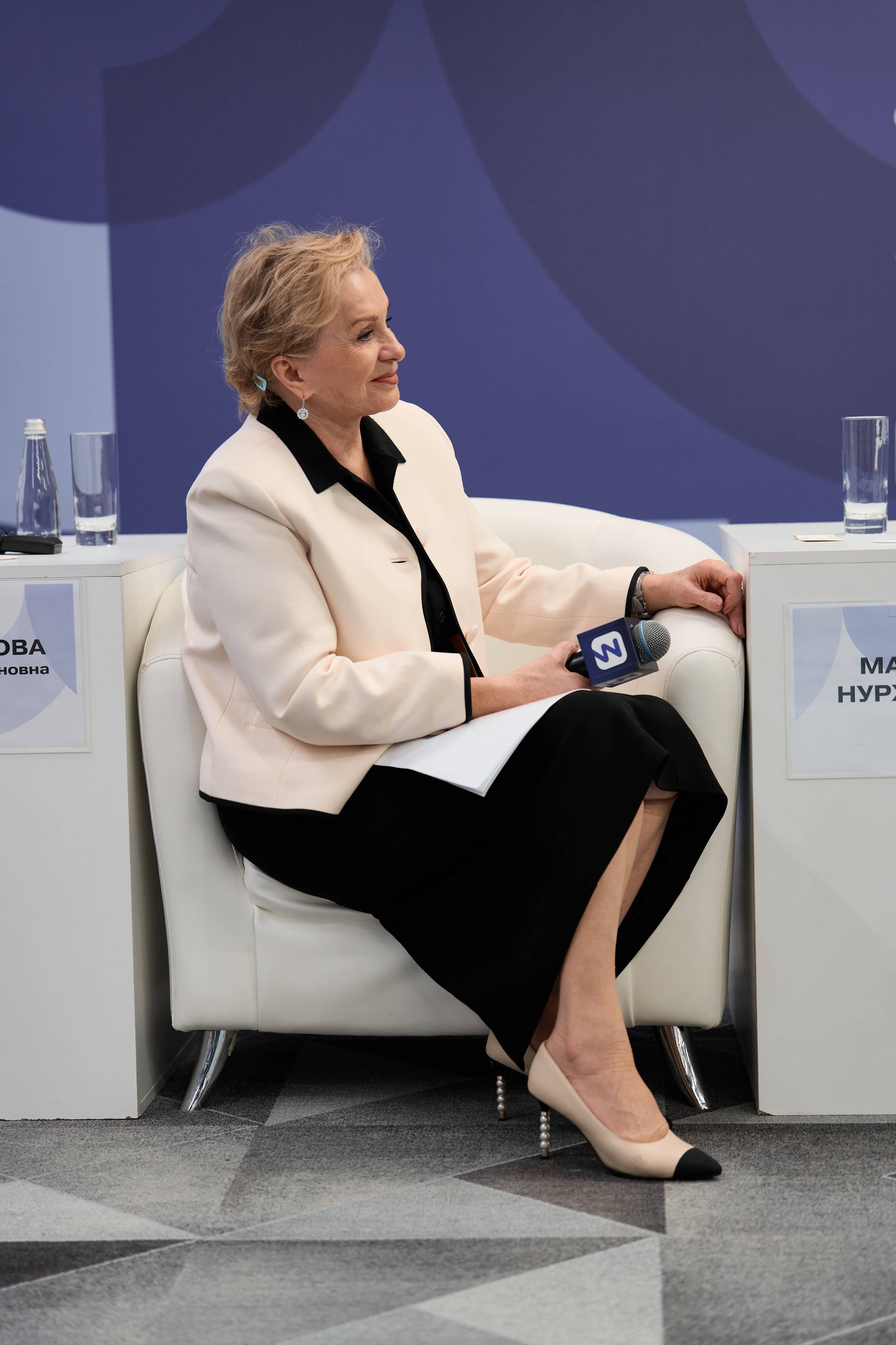
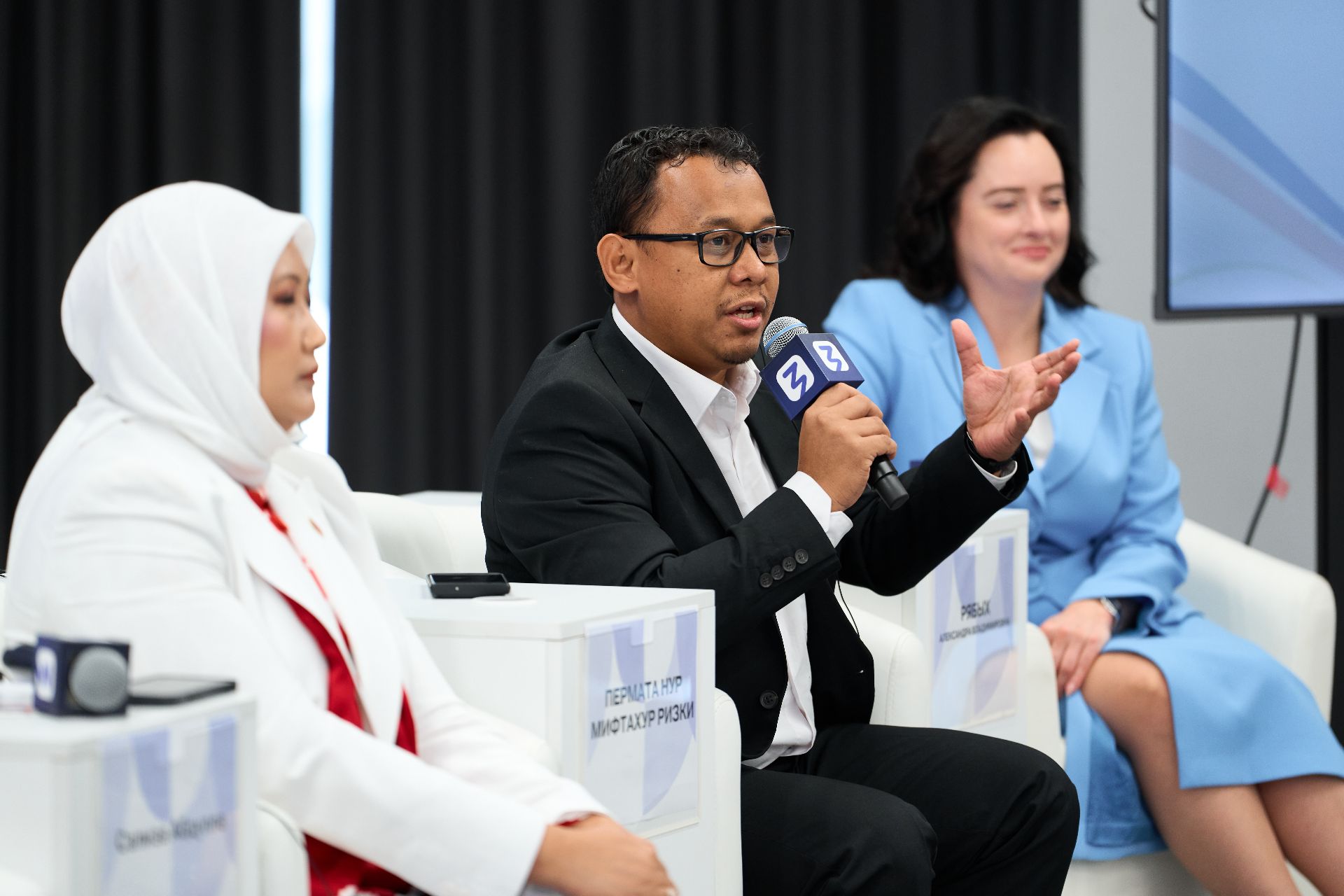
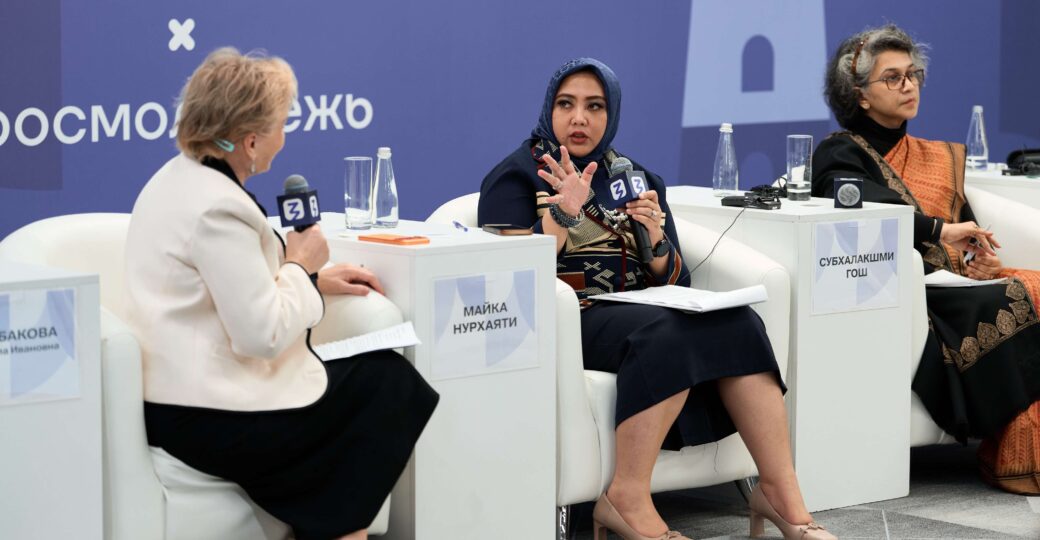
The panel discussion “BRICS Healthcare Ecosystem” examined how governments, businesses, healthcare organizations, investors, researchers and professional communities can work together to create stronger links between the national healthcare systems of BRICS countries.
Participants discussed access to modern medicine and medical care, pharmaceutical and technological sovereignty, regulatory barriers, research, production, technology transfer and the development of professional competencies.
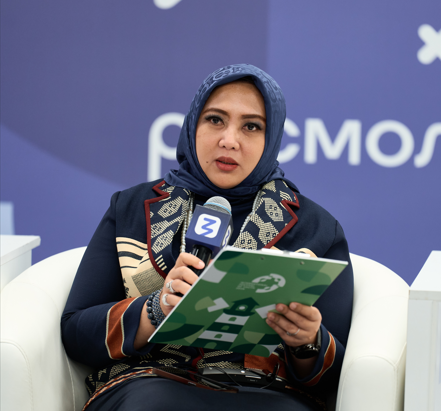
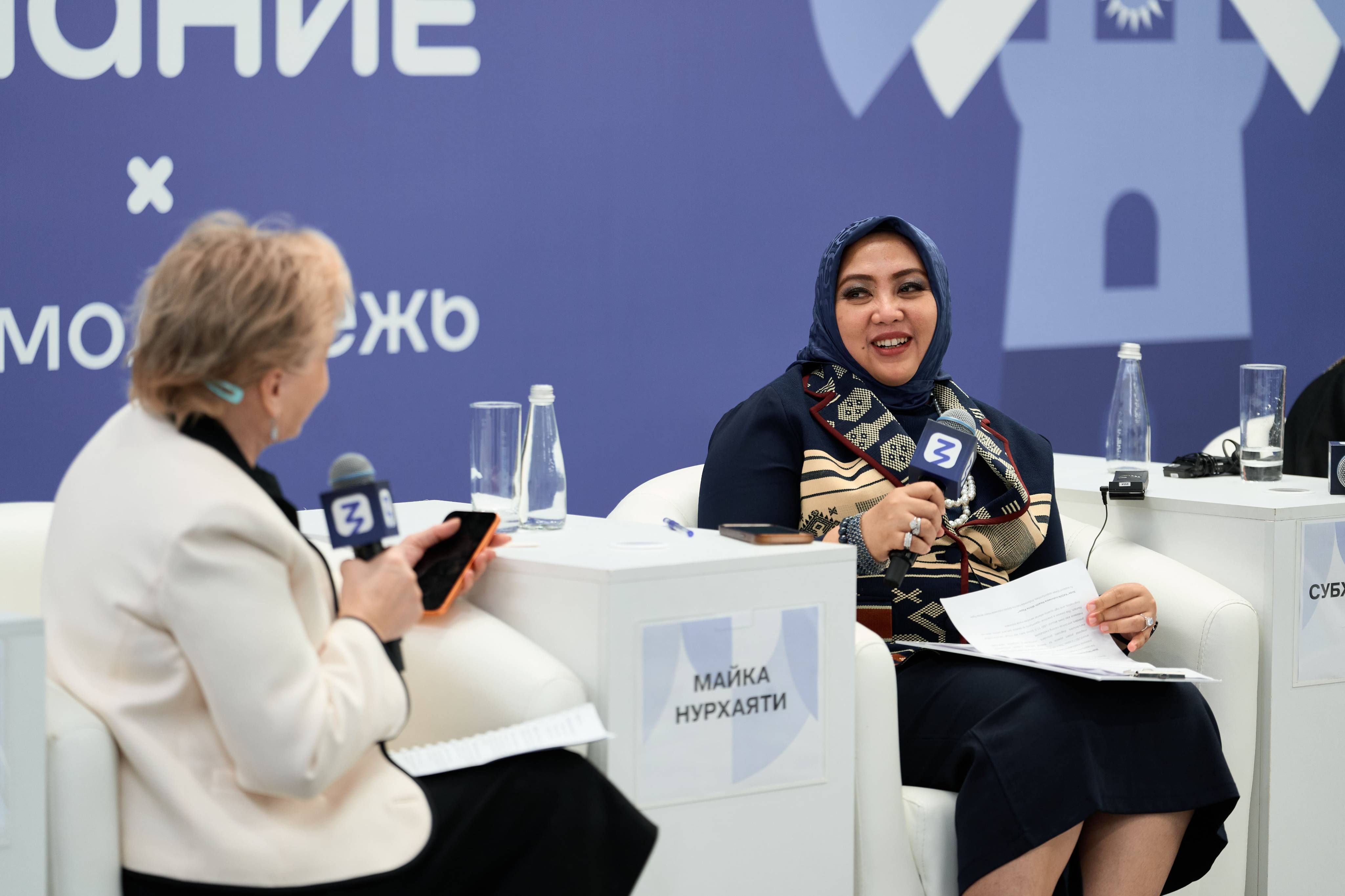
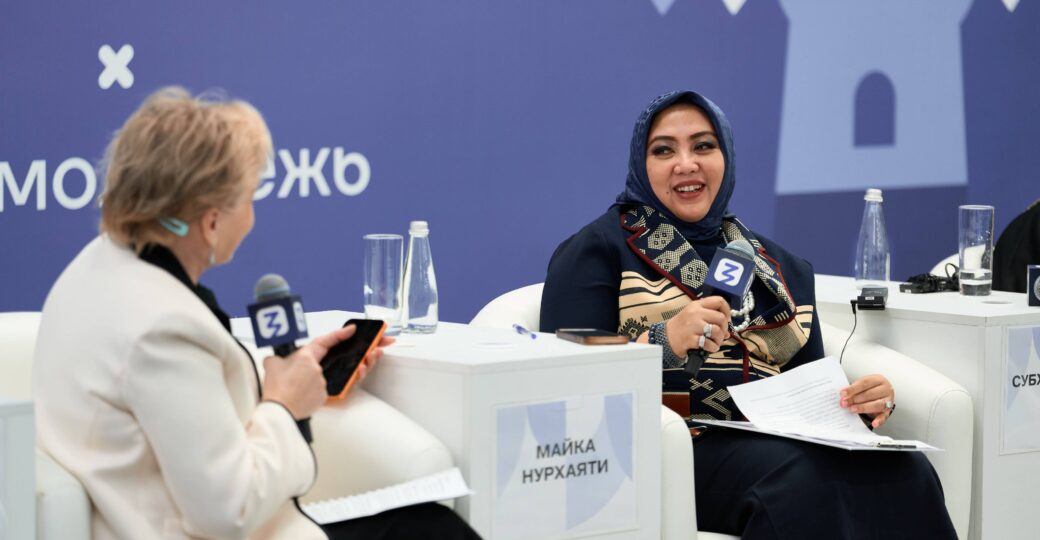
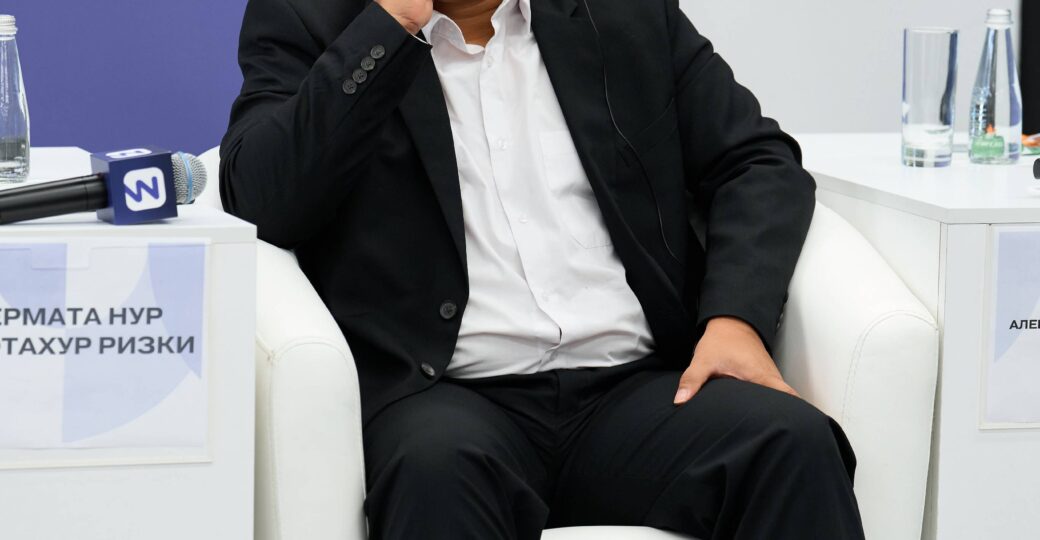
Indonesia is interested not simply in importing ready-made solutions, but in building long-term partnerships through technology transfer, joint production and research, investment, and capacity development. Pharmaceuticals, vaccines, biological products, medical devices and diagnostics remain priority areas for such cooperation. It is important for us that international cooperation both expands access to modern medical solutions and strengthens our own production base.
सुश्री मायका नूरहयाती
Deputy Chair of the Indonesian Association of Women Entrepreneurs on Healthcare and representative of BRICS WBA Indonesia
India contributed another perspective: how traditional knowledge can become the starting point for modern scientific research and commercially scalable healthcare products.
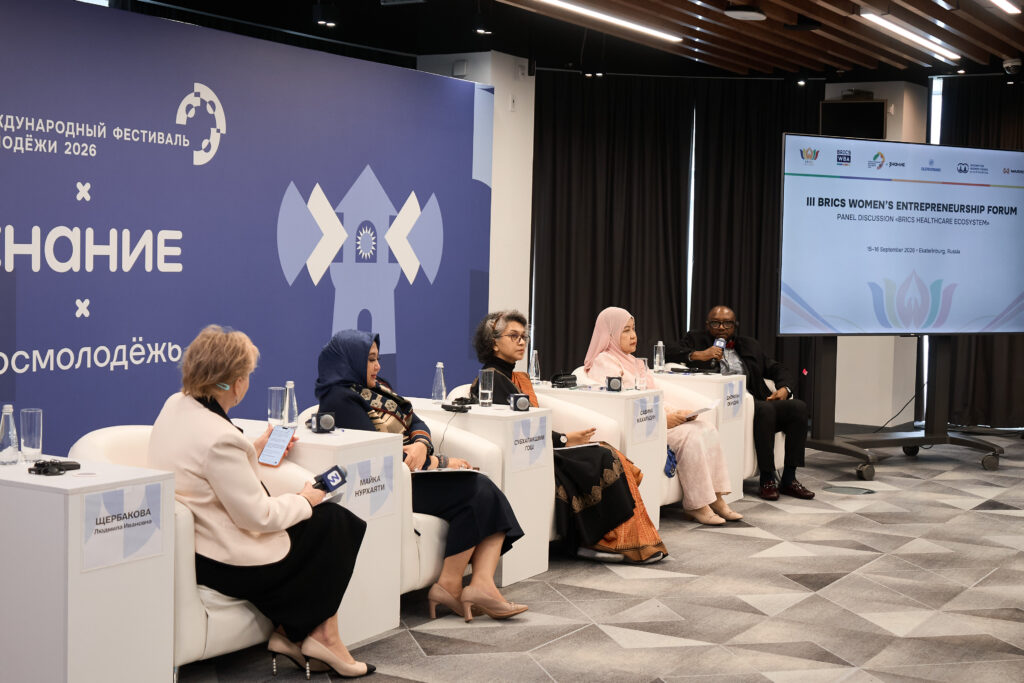
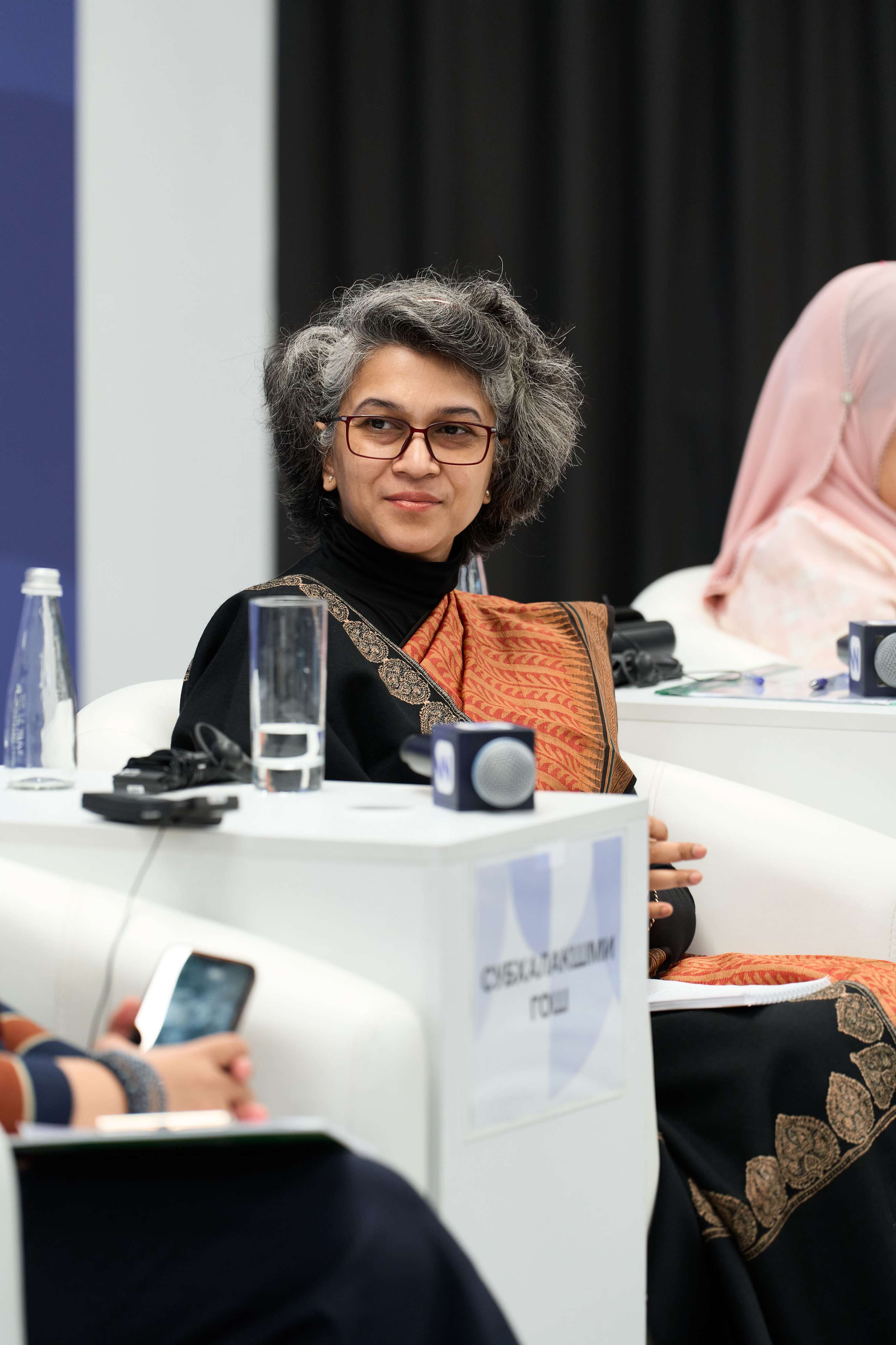
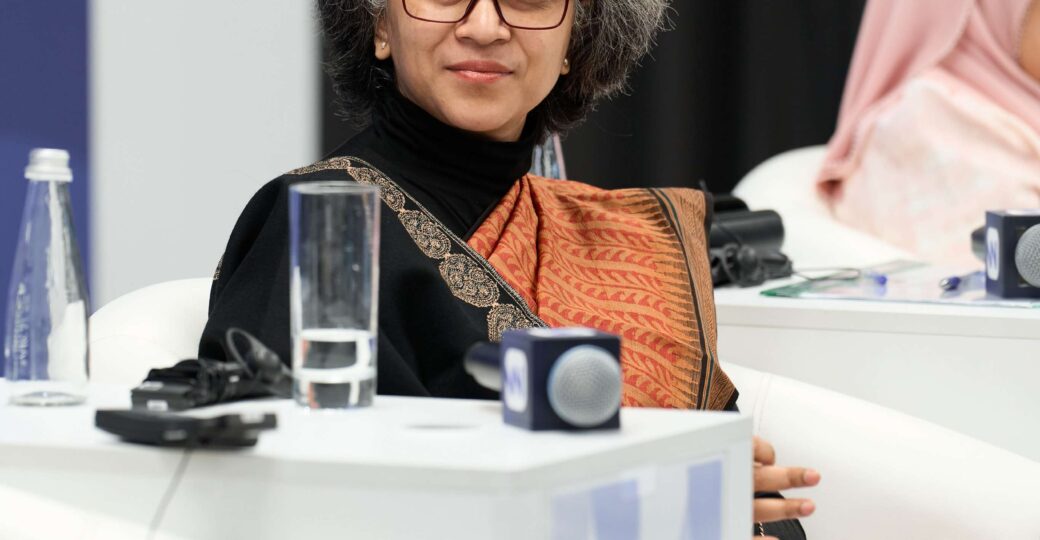
Dr. Subhalakshmi Ghosh (Founder & Director, Subhami Biopharma (OPC) Pvt. Ltd.) presented a research journey connecting pharmaceutical plants with phytochemistry, biochemistry, clinical research and the development of therapeutic solutions. Her experience demonstrated the importance of building bridges between fundamental science, entrepreneurship and practical medical application.
The concluding message of the session called for the next step to be the transformation of dialogue into projects, stronger links between business, science and government, and consistent work to remove barriers to research, technology transfer, manufacturing cooperation and market access.
BRICS and ASEAN: Connecting Generations, Markets and Technologies
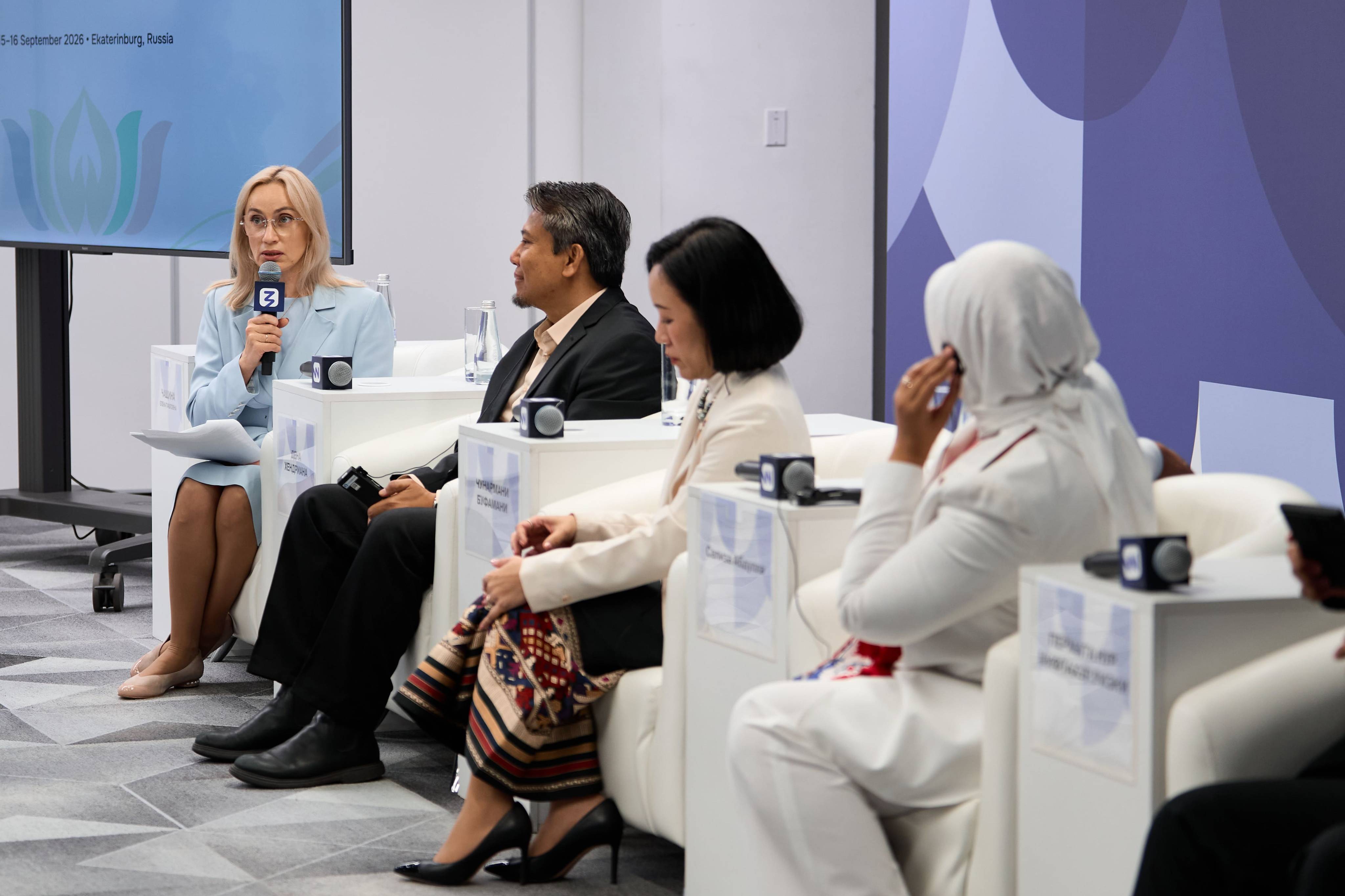
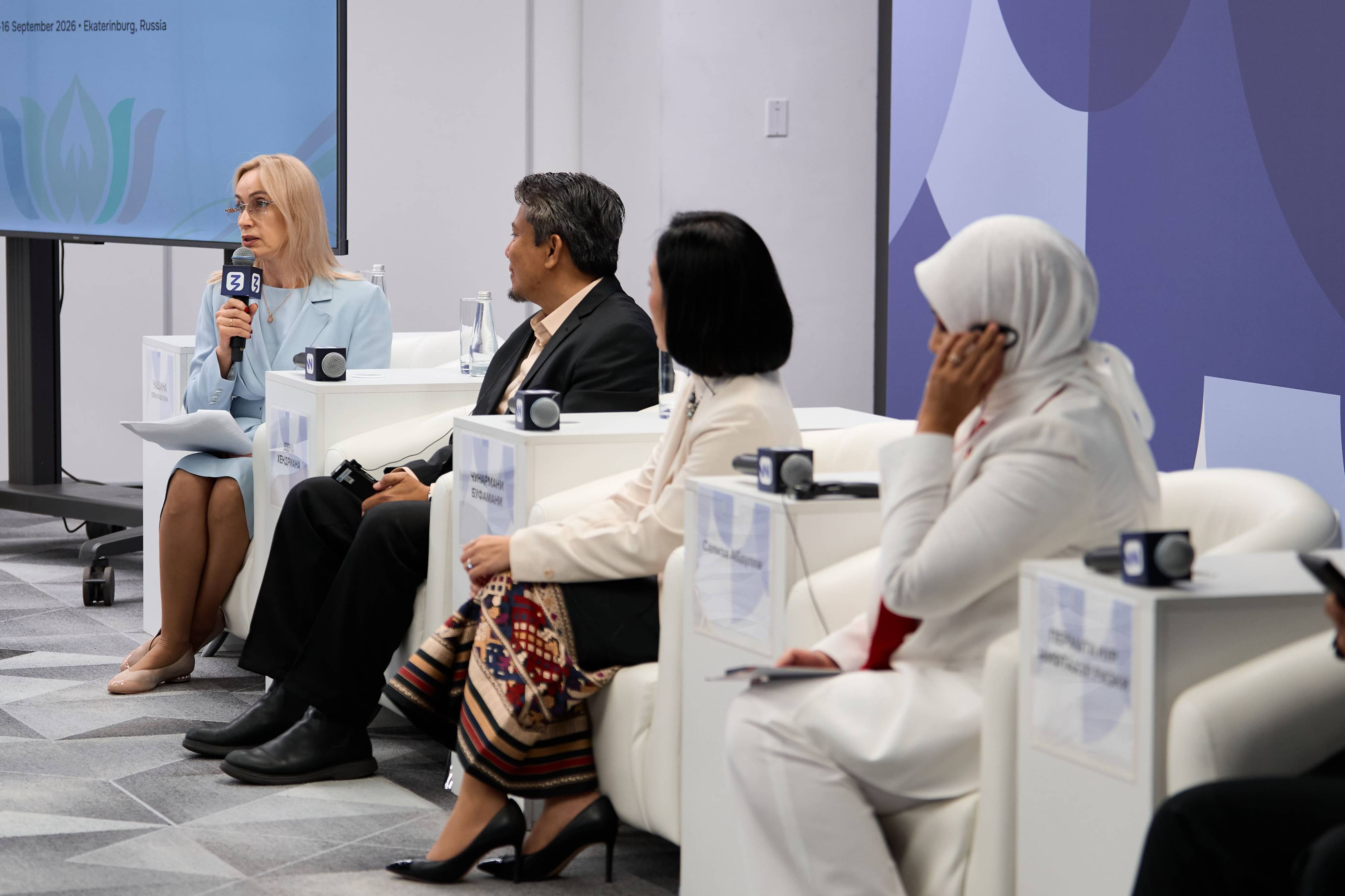
A distinctive element of the III Forum was the interactive session “BRICS-ASEAN: A Case Study of Generational Dialogue in Entrepreneurship.”
The session brought together established businesses, governmental institutions and leaders of emerging technology ventures from BRICS and ASEAN countries and asked them to address the same real-world entrepreneurial challenges.
The discussion covered entering new markets, cooperation between startups and major corporations, technology development, scaling businesses, talent development and the creation of international projects.

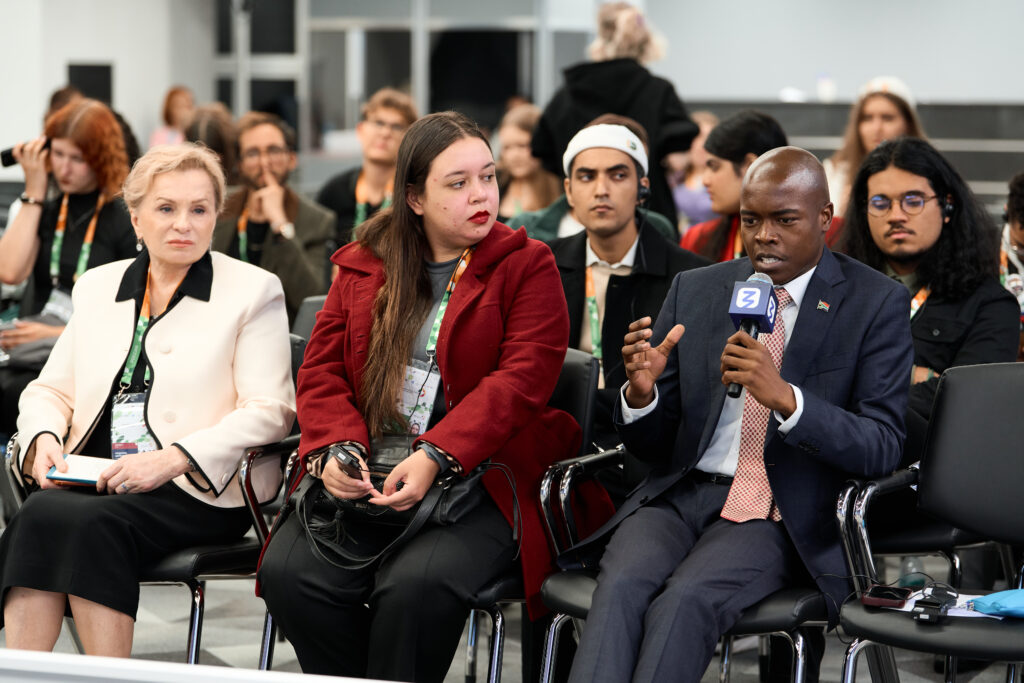
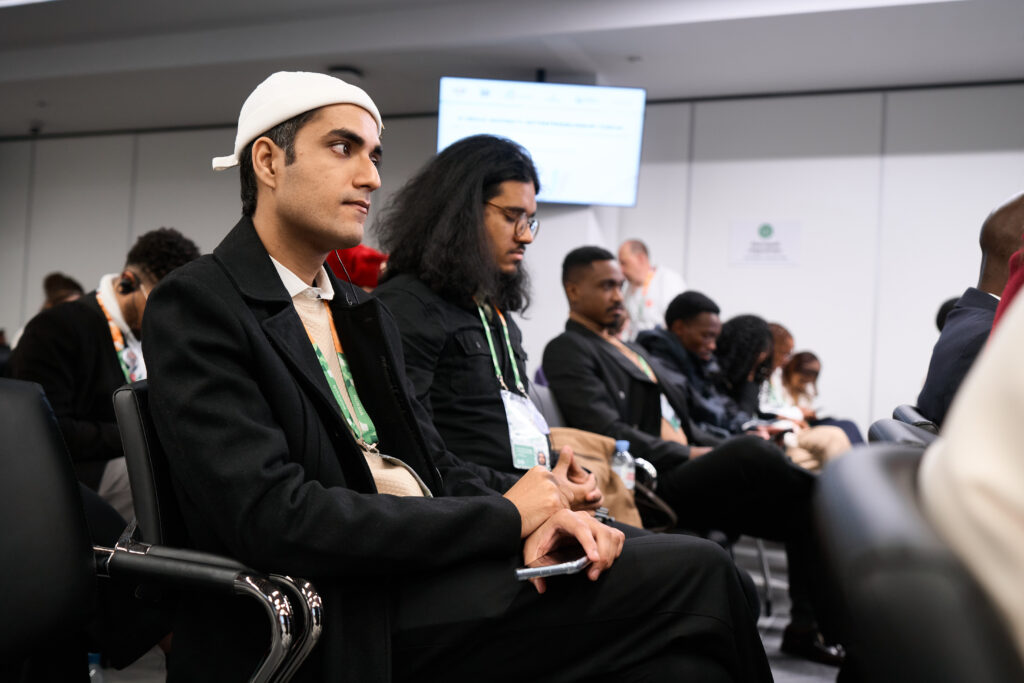
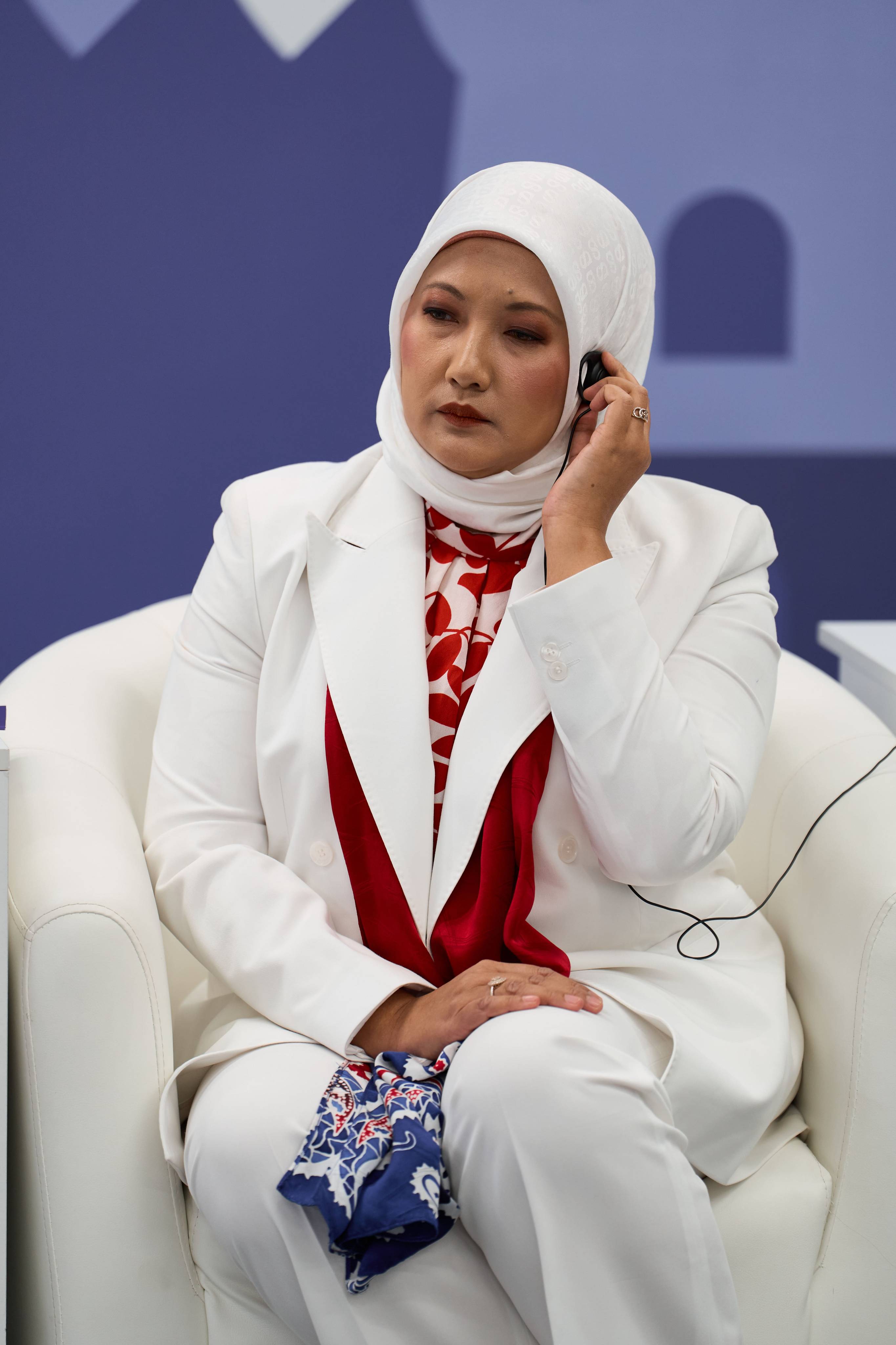
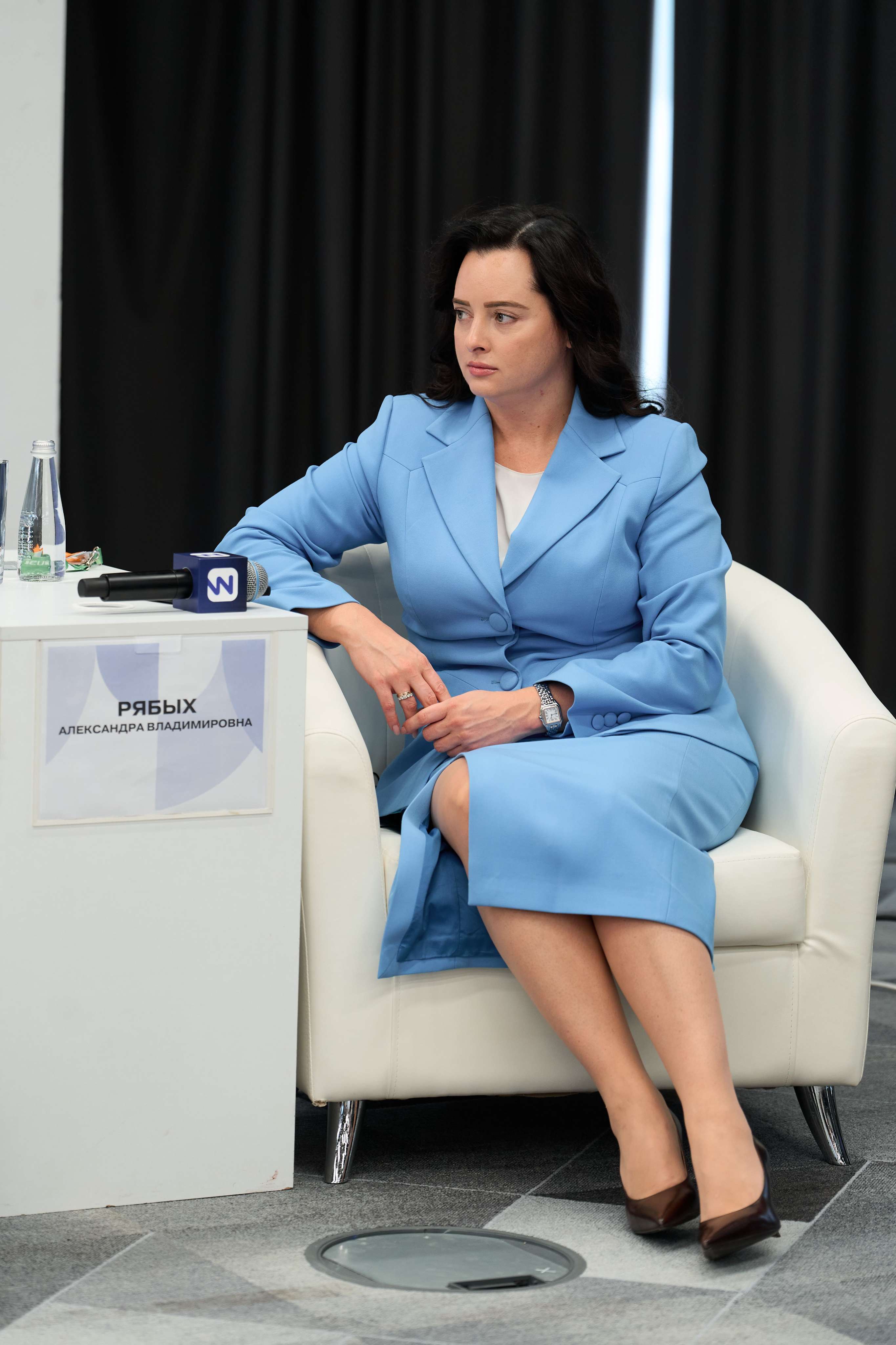
Representatives from Indonesia, Laos, South Africa, Brazil and Russia explored what prevents promising international partnerships from becoming real projects, what young technology companies need to demonstrate before entering the supply chains of large corporations, and whether product quality, local partners or market knowledge matters most when entering a new country.
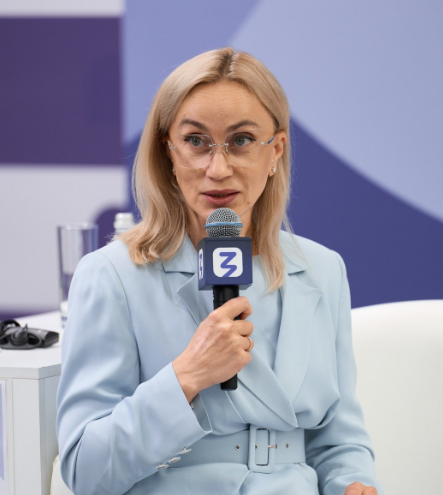
“Differences in experience and approach do not have to be obstacles. They can become a source of strength.”
Ms. Elena Chashchina
EPOTOS ग्रुप ऑफ़ कंपनीज़ के सह-मालिक और प्रबंध साझेदार
New Financial Mechanisms for Business Growth
Access to capital and financial infrastructure was another important part of the Forum agenda.
A closed roundtable entitled “Financial Mechanisms for Ensuring Sustainable Economic Growth in BRICS Countries” brought together representatives of central and commercial banks and business leaders to discuss new financial instruments and institutional solutions capable of improving access to capital for SMEs and women-led entrepreneurial projects.
Business Across Generations
Youth participation was integrated throughout the Forum rather than treated as a separate subject.
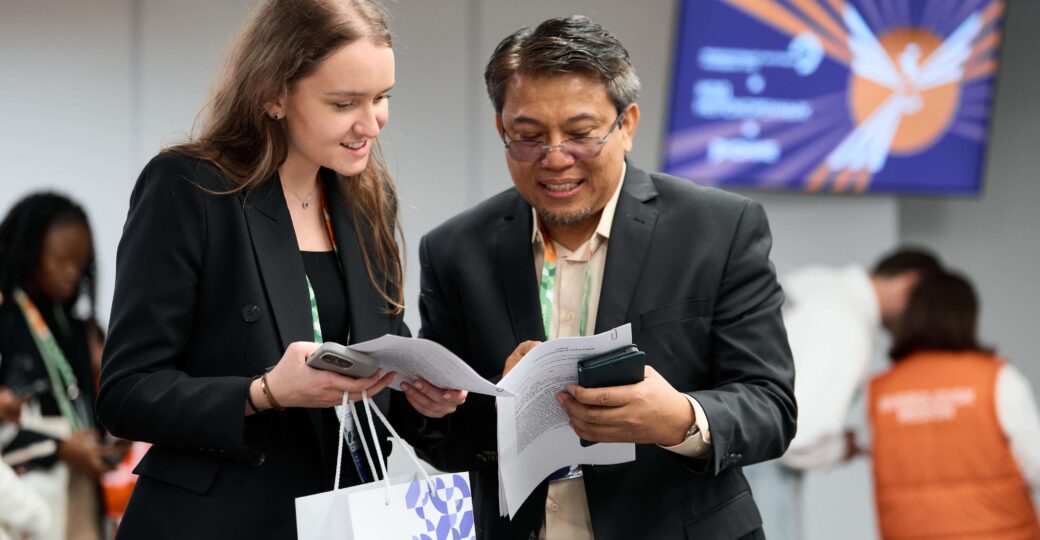
During the workshop accelerator “From Business Idea to Implementation”, participants of the BRICS+ International Youth Mentoring Program presented their companies directly to established business leaders, receiving practical feedback, expert advice and recommendations on business development, scaling and international expansion.
This focus reflected an understanding that the future of BRICS cooperation will depend on whether young entrepreneurs are given access not only to educational Programs, but to real international projects, partners and markets.
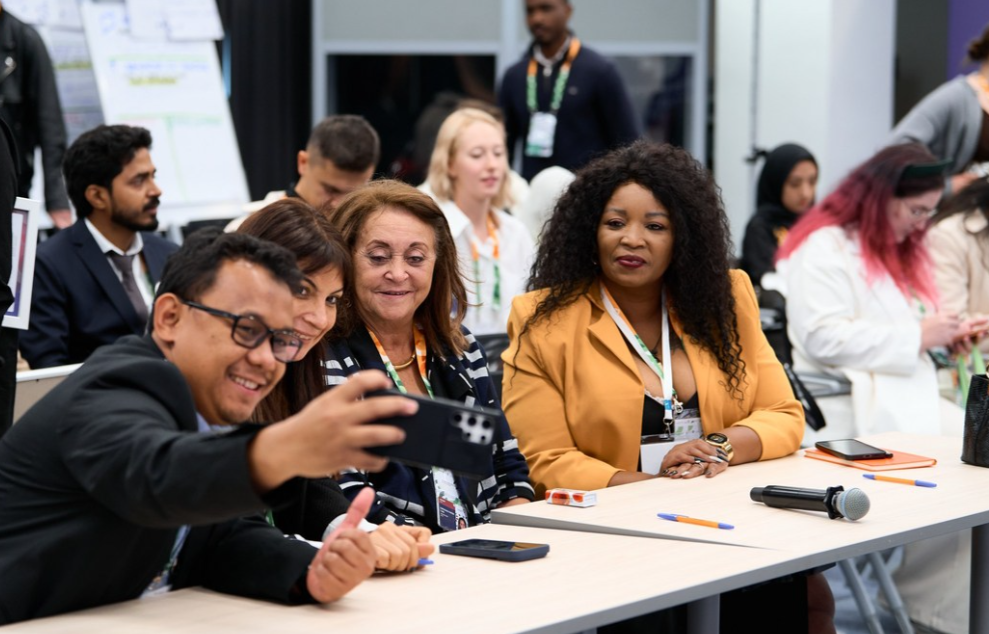
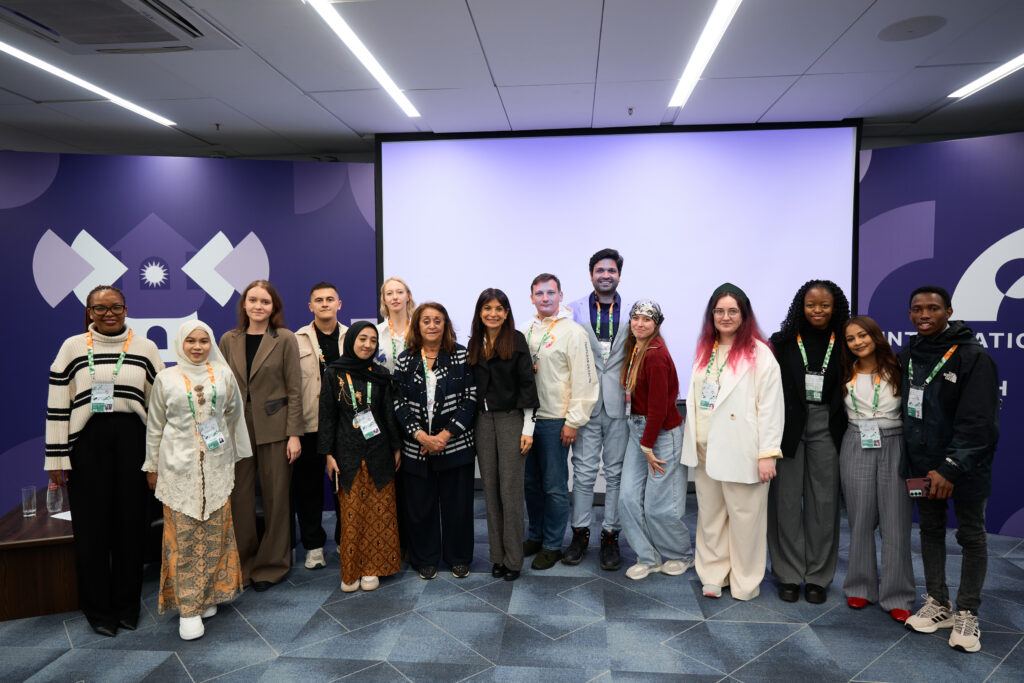
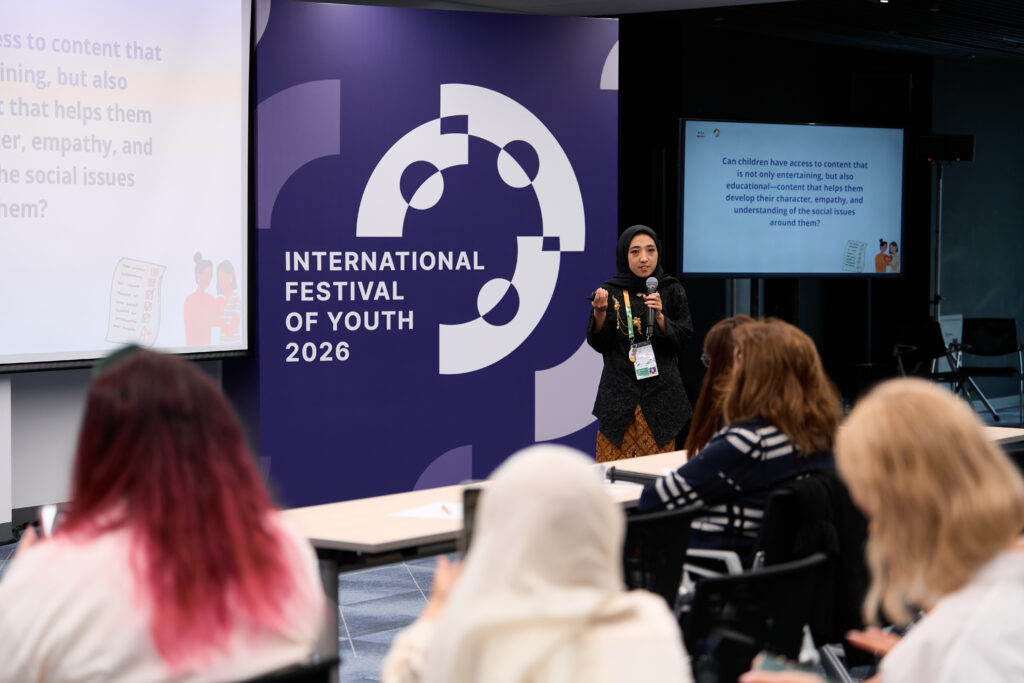
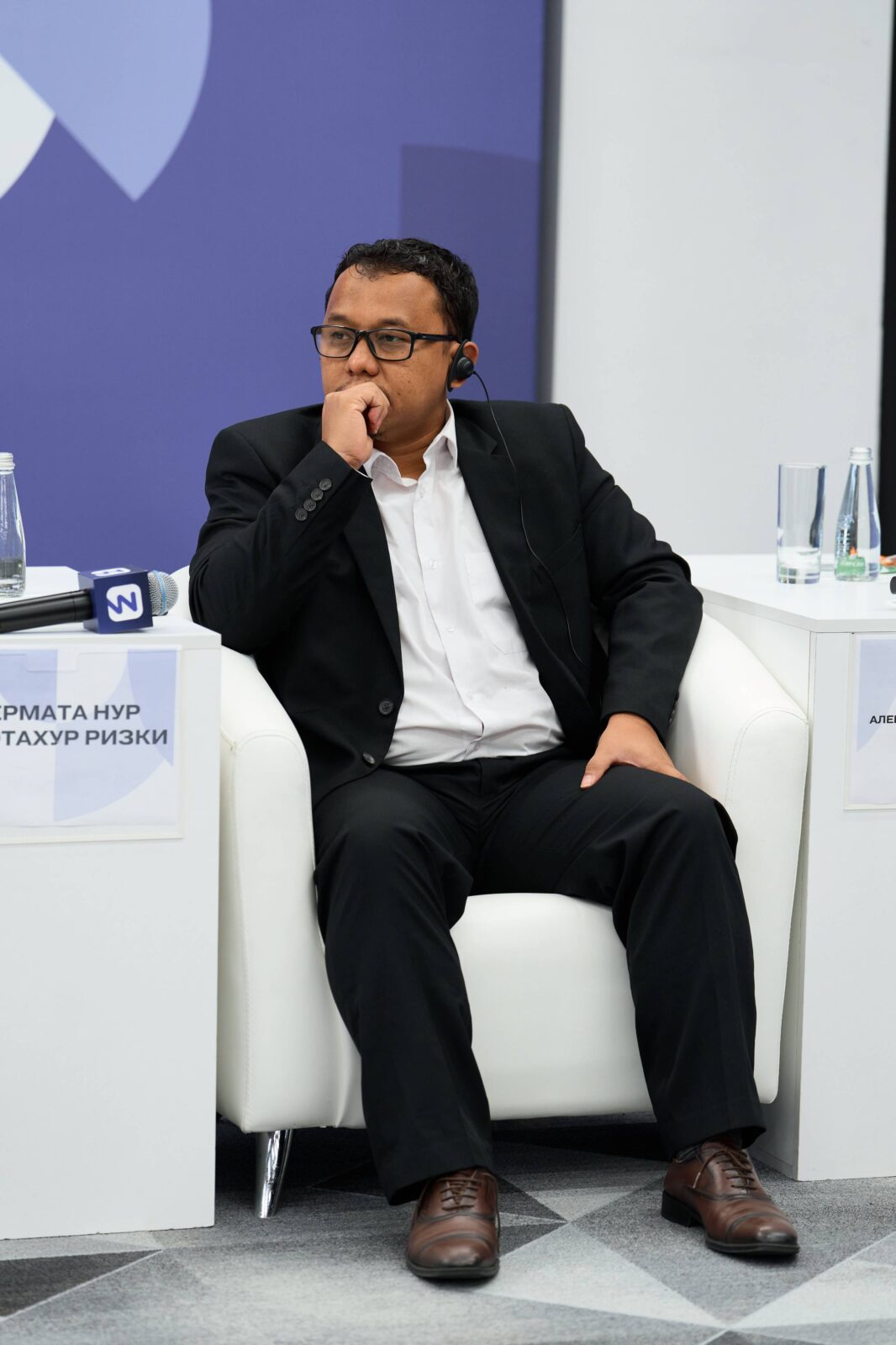
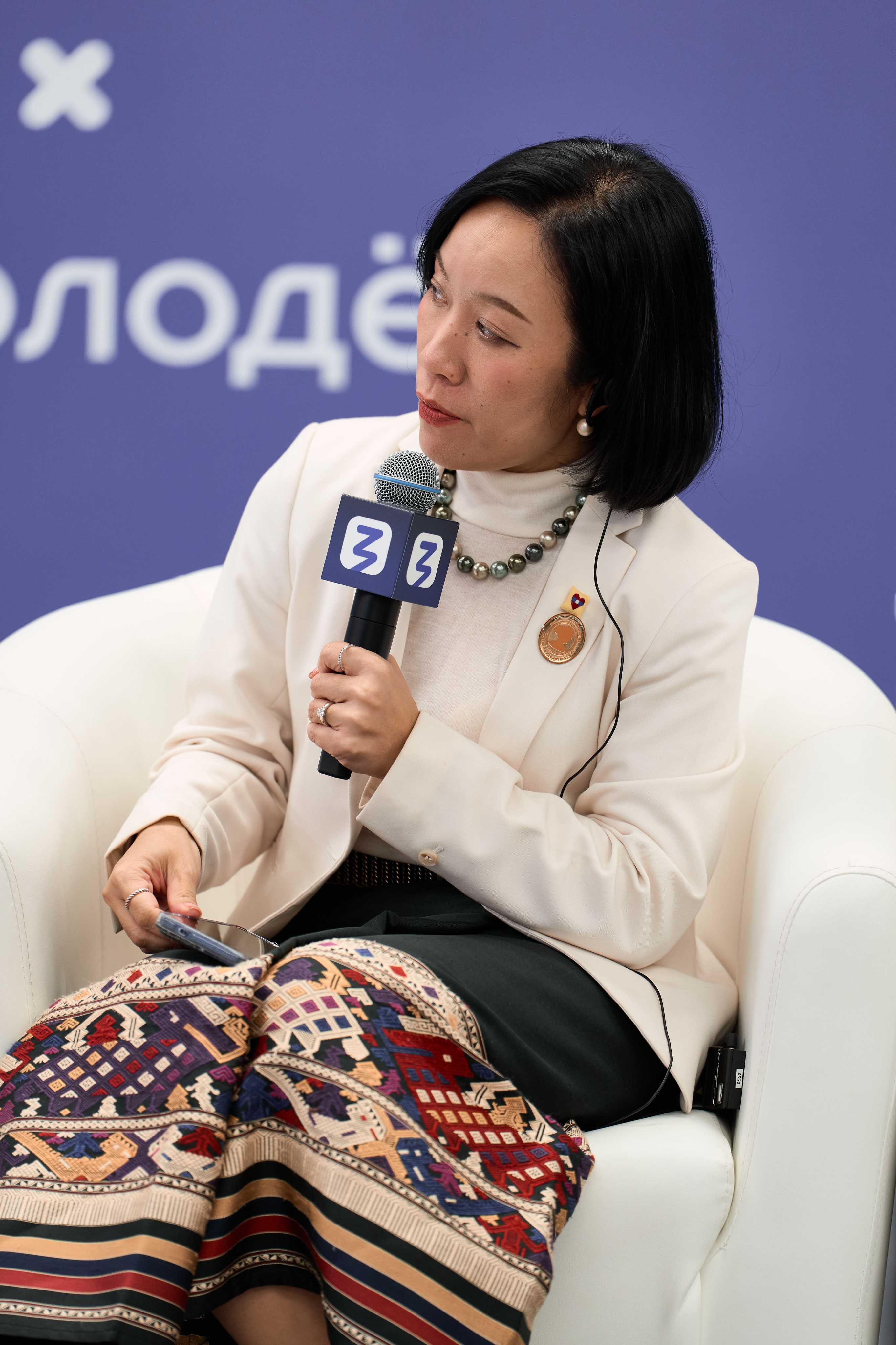
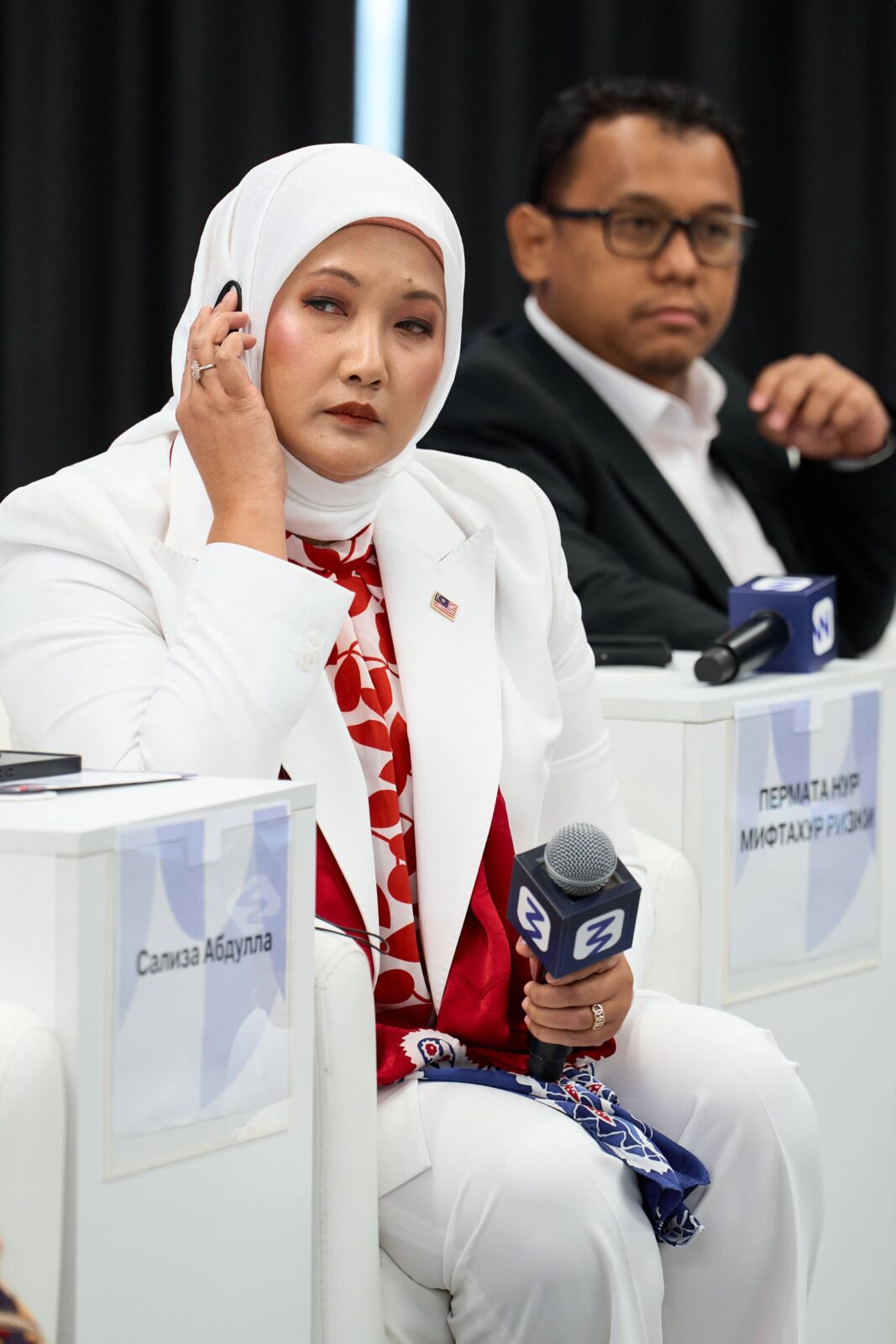
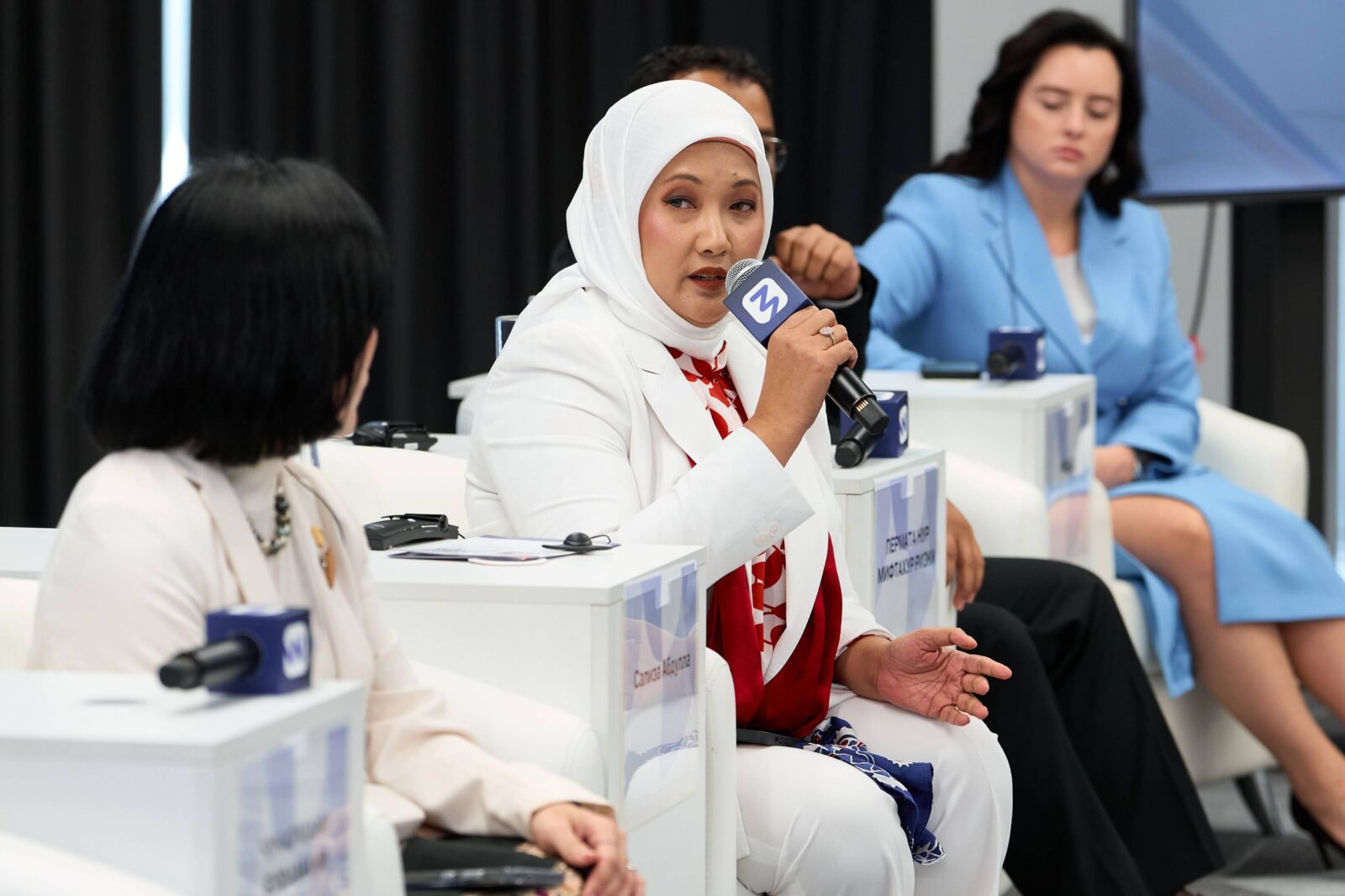
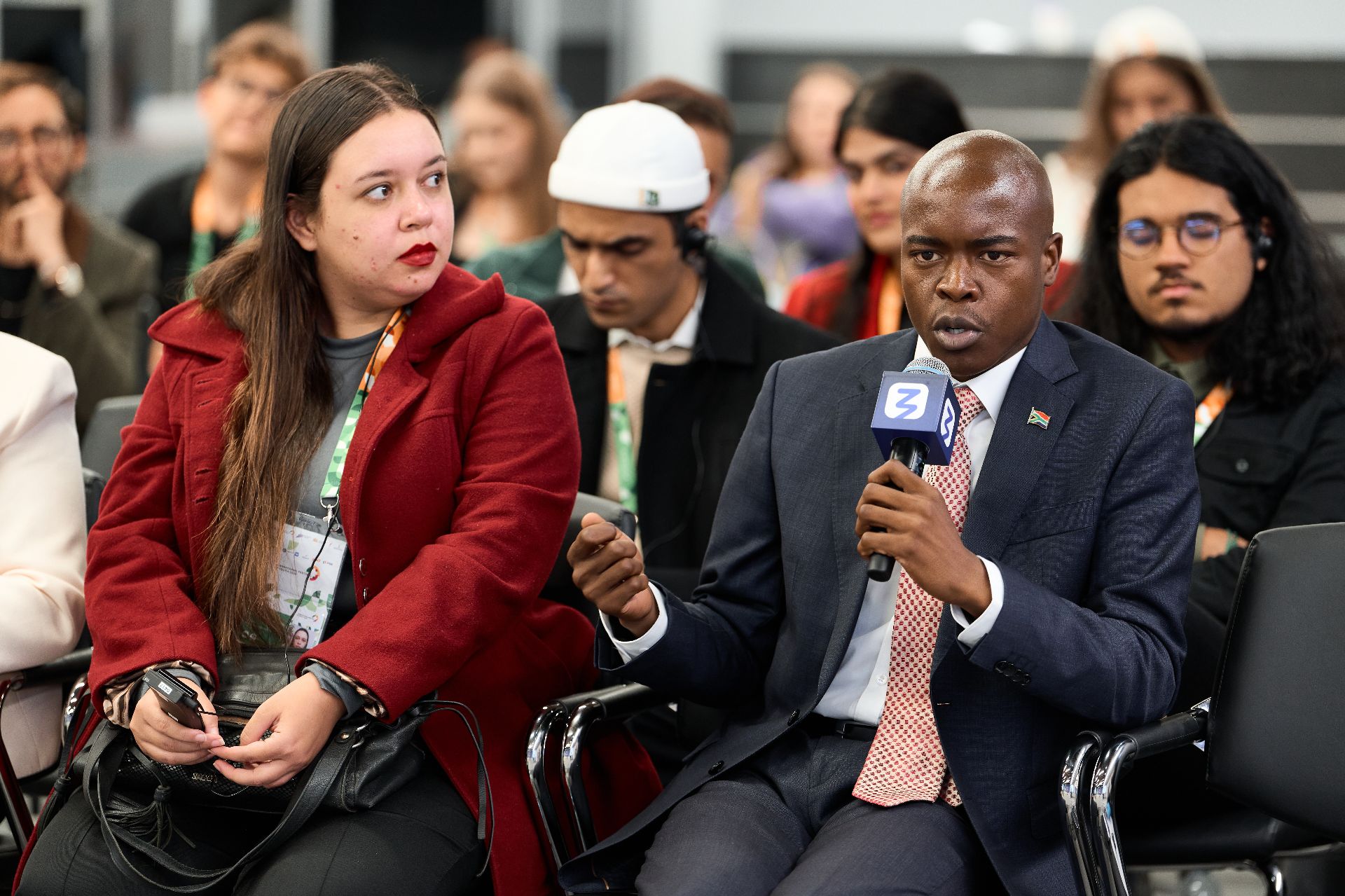
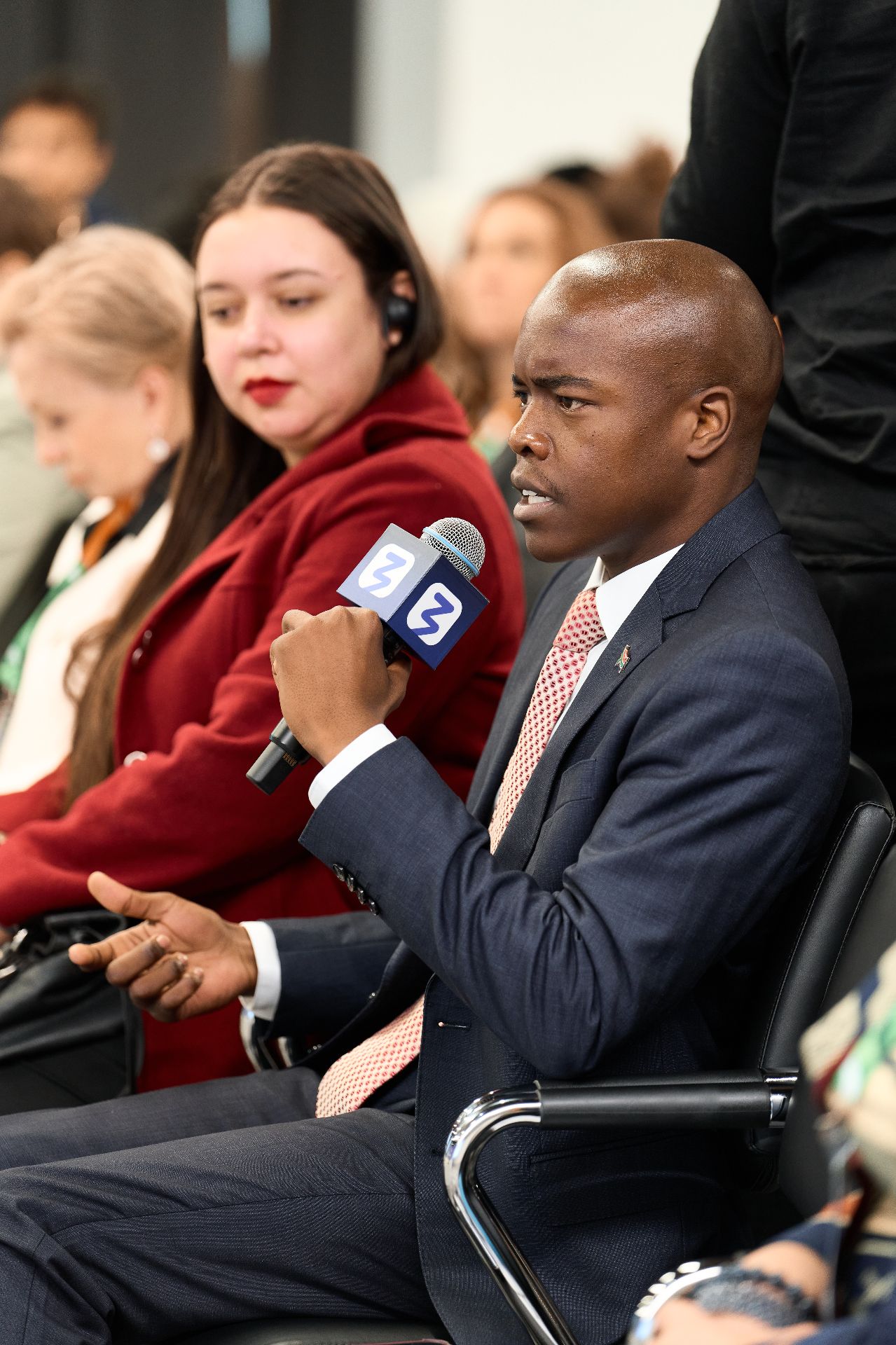
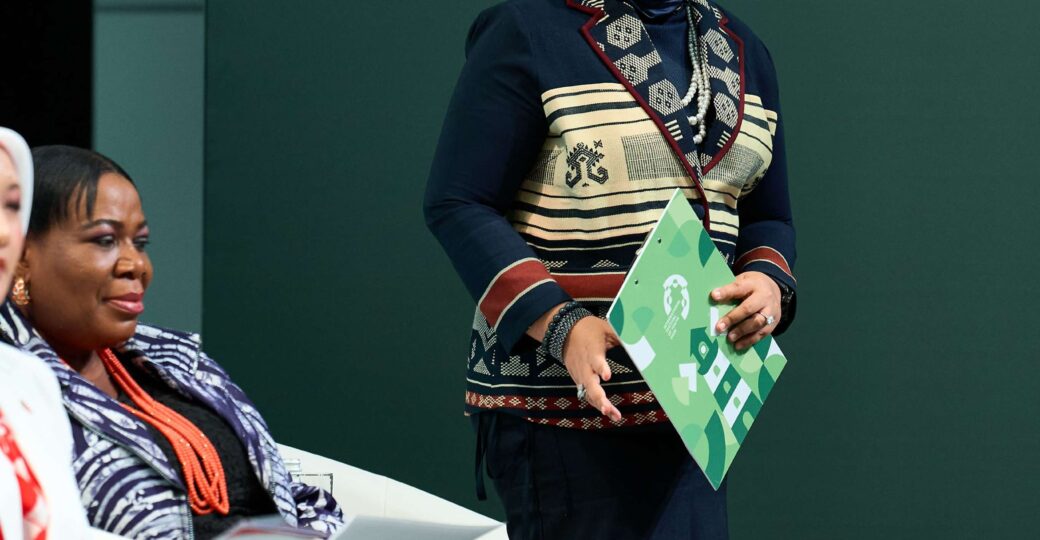
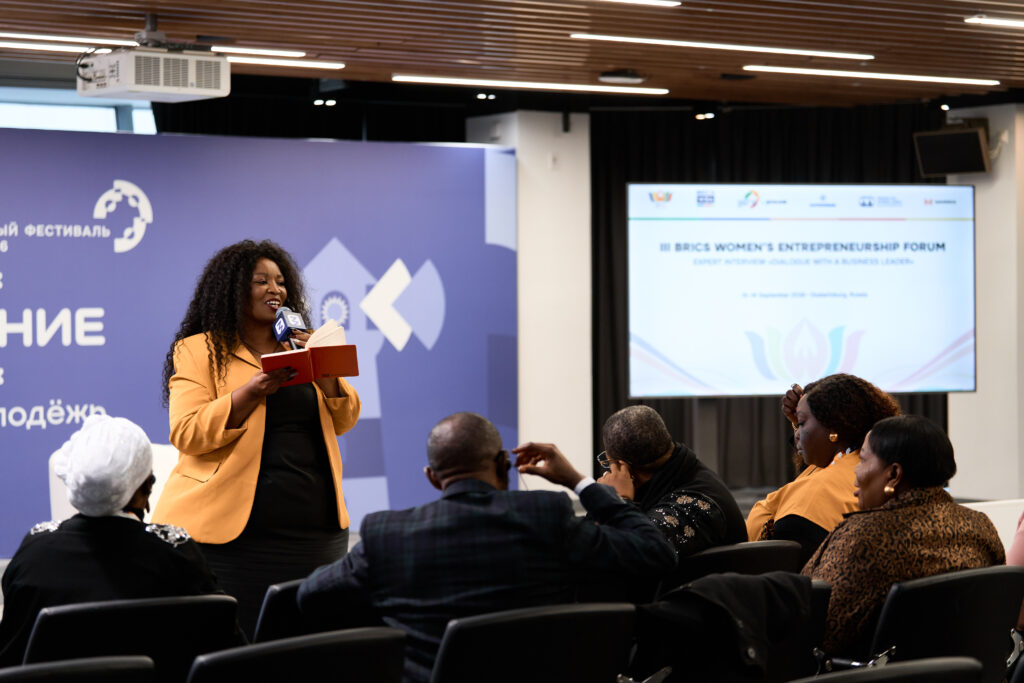
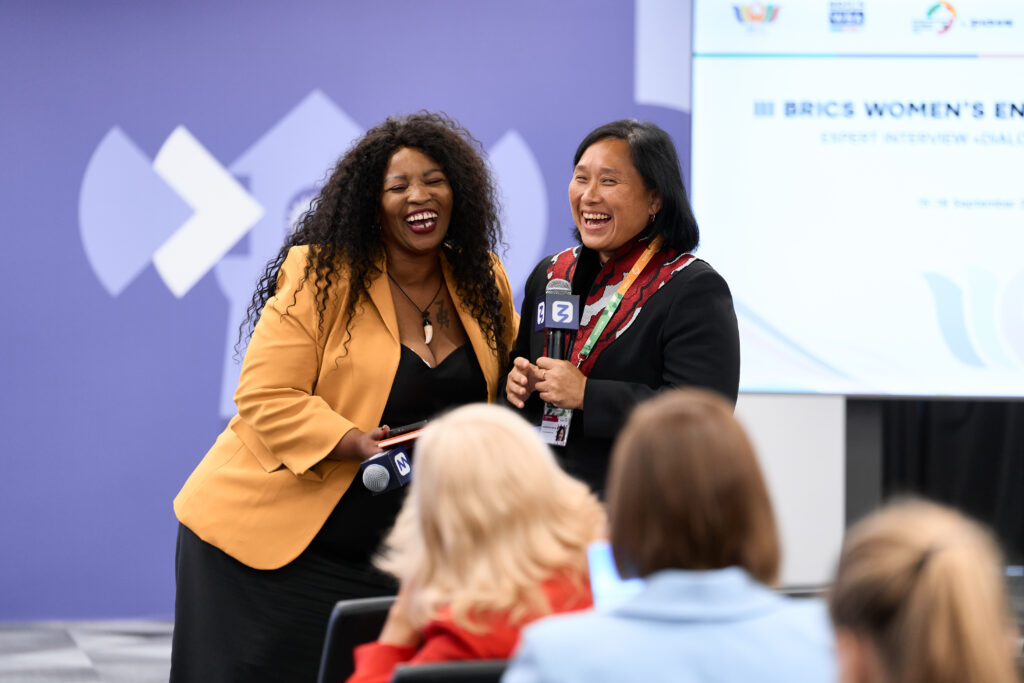
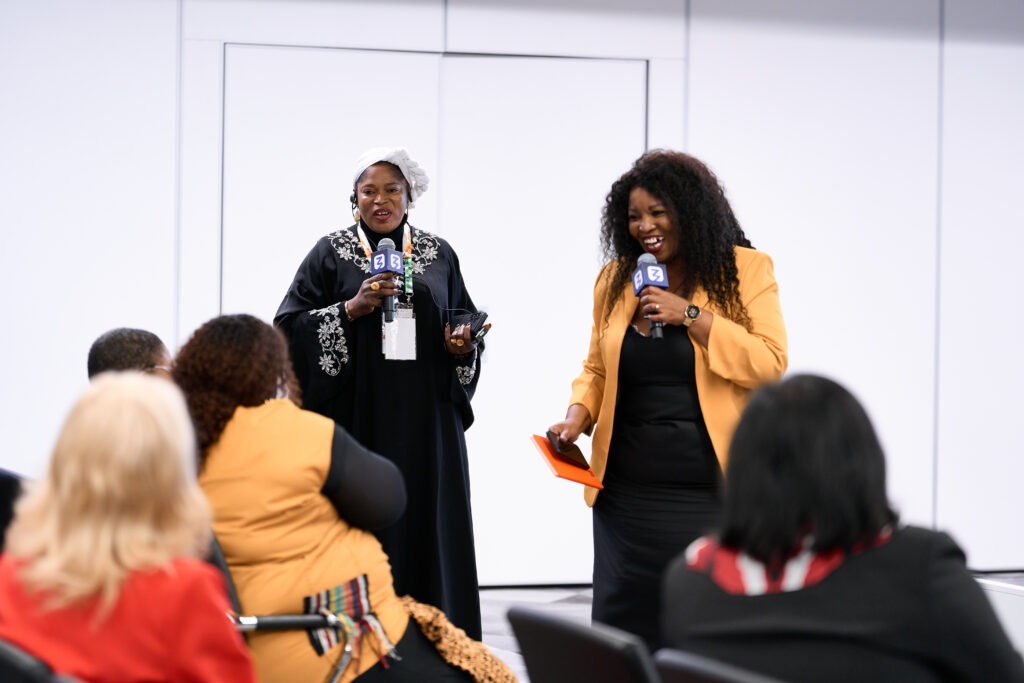
The Forum also featured the expert interview “Dialogue with a Business Leader,” bringing together business and professional leaders from Malaysia, South Africa and Nigeria. The discussion focused on real entrepreneurial journeys, difficult management decisions, leadership under uncertainty and the role of education, mentoring, business networks and international cooperation in helping women scale their projects. The session concluded with a joint discussion and audience Q&A, giving participants direct access to practical advice and personal insights from experienced leaders.
Culture as a Language of Cooperation
The III BRICS Women’s Entrepreneurship Forum also extended beyond the traditional boundaries of a business event, demonstrating how culture and creativity can become powerful instruments of international cooperation.
This idea was reflected in the panel discussion “Made in BRICS: Uniting Creative Potential,” which brought together representatives of successful creative projects from BRICS countries, including ventures that have already entered BRICS+ markets or are preparing for international expansion.
The session focused on practical cooperation within the creative industries, exploring how brands and creative businesses can enter new markets, build cross-border partnerships and develop joint international initiatives. It also highlighted the potential of the BRICS space to connect different cultural traditions, creative approaches and entrepreneurial models.
In this context, creativity was presented not only as a form of cultural expression, but also as a growing economic force capable of generating new products, partnerships and business opportunities across BRICS markets.
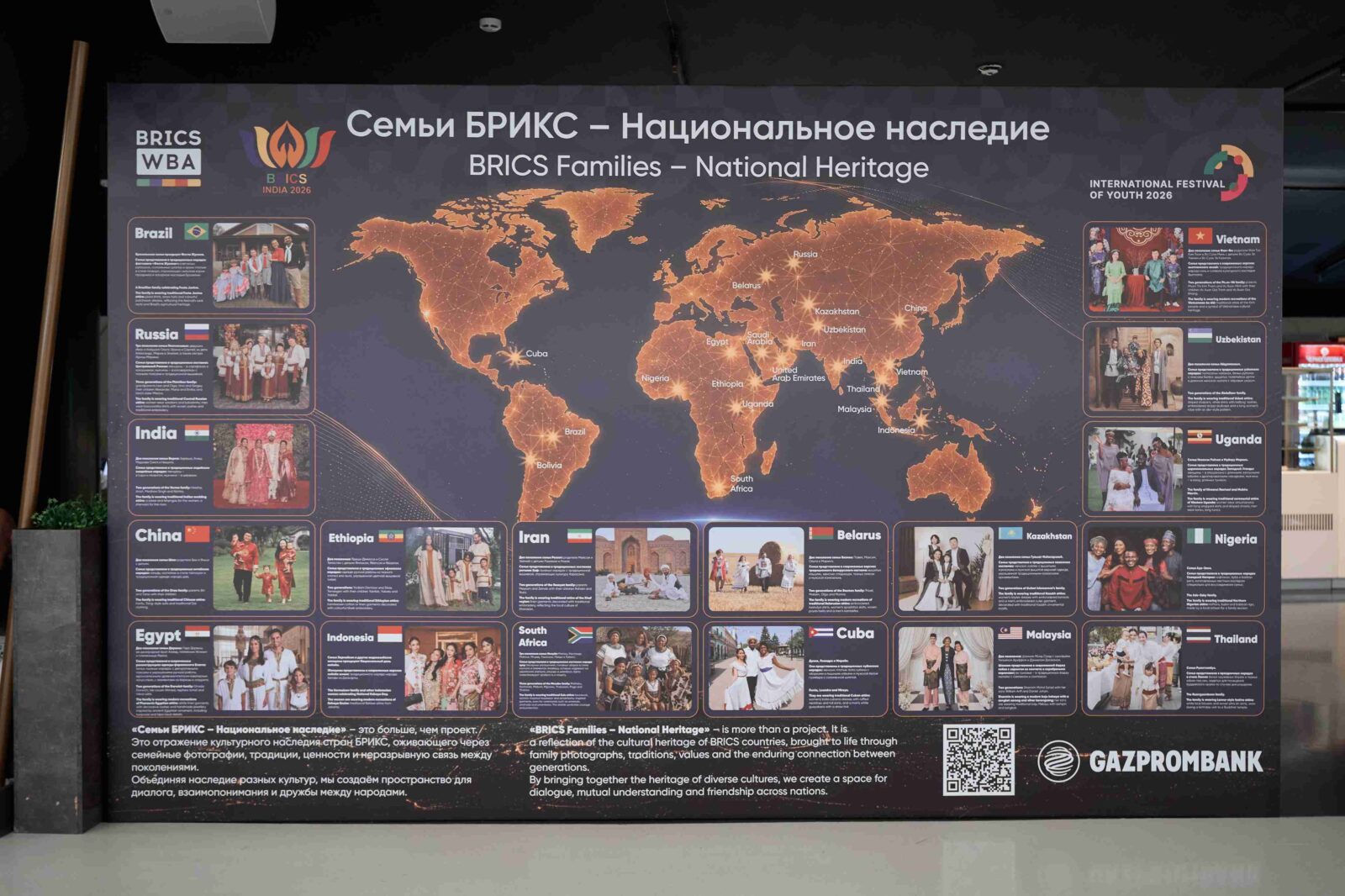
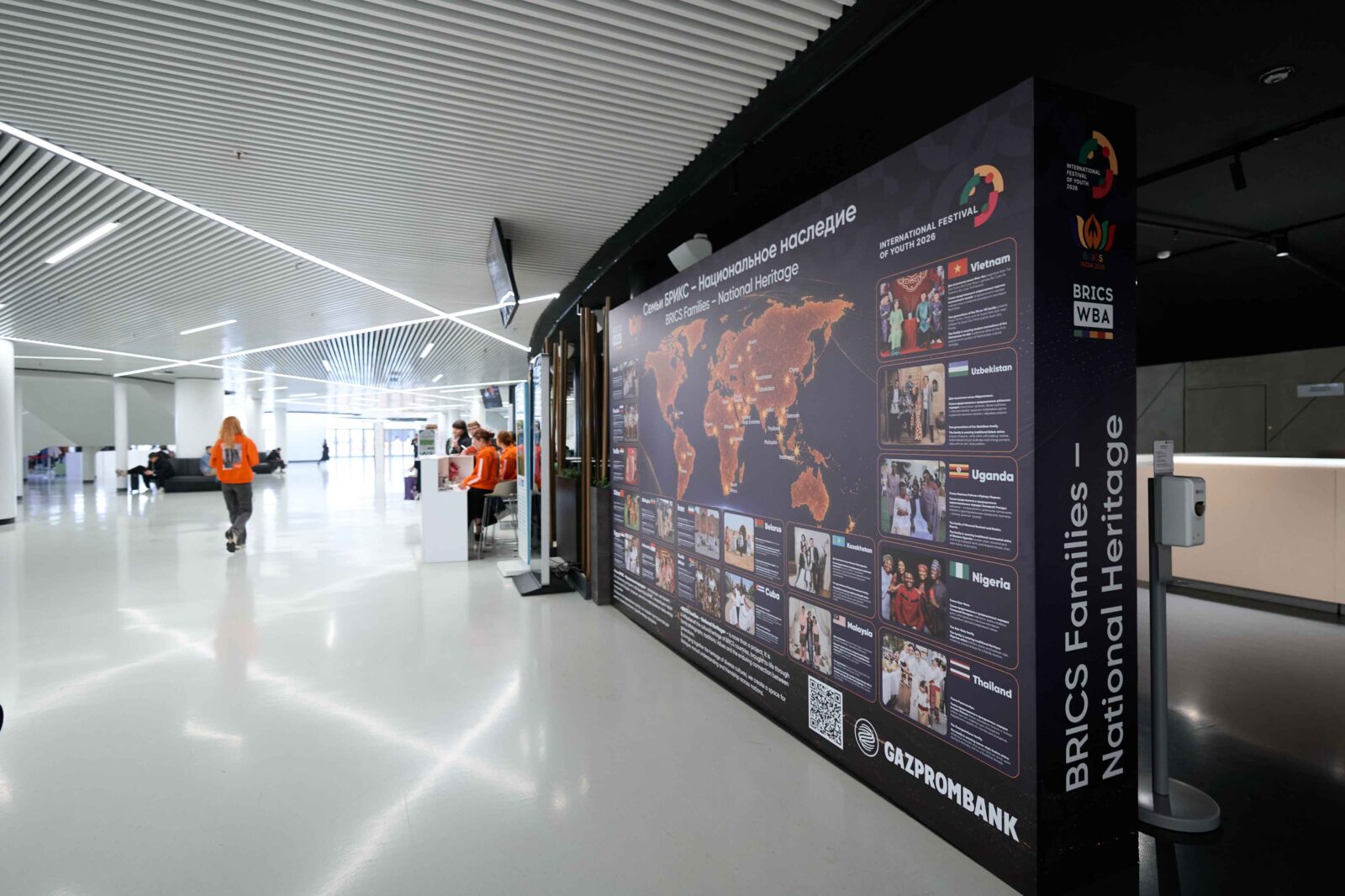
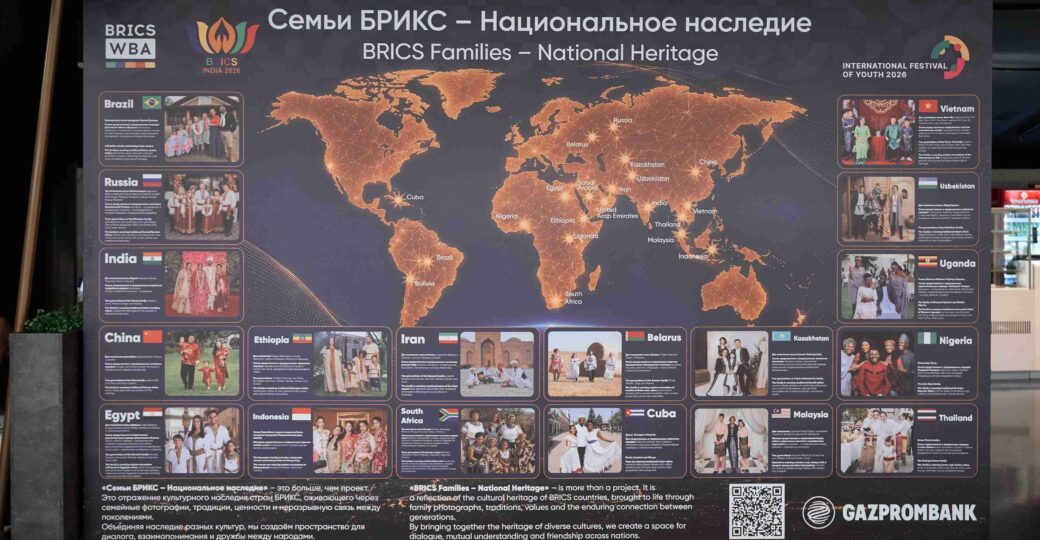
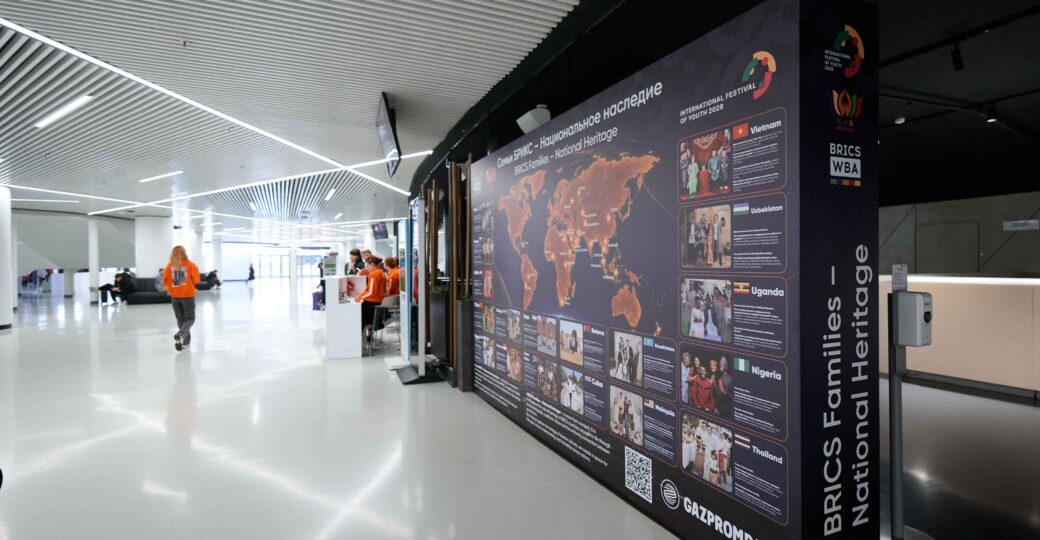
The Forum’s broader cultural programme reinforced this message. It included screenings of short animated films produced by Soyuzmultfilm, द “BRICS Families – National Heritage” exhibition and a traditional gala dinner featuring performers from the Sverdlovsk State Academic Theatre of Musical Comedy.
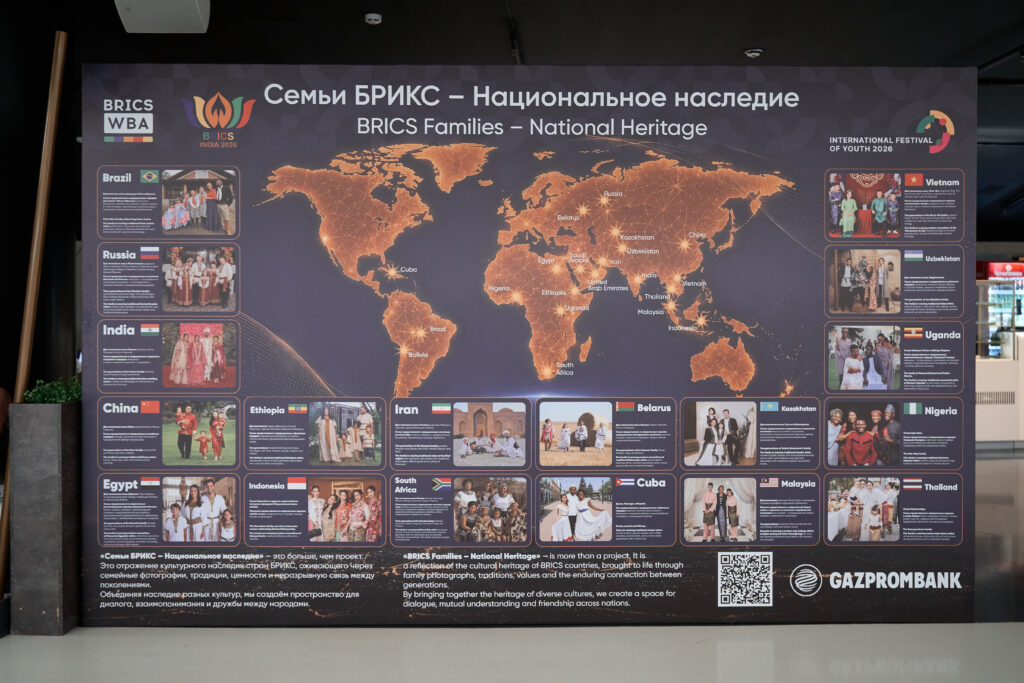
“BRICS Families– National Heritage” is an initiative of the Russian and Indian Chapters of the BRICS Women’s Business Alliance with the participation of all National Chapters. The project is created to celebrate the cultural richness of the BRICS community through the pictures and stories of families
The programme created another dimension of international dialogue: participants were able not only to discuss markets, finance, technology and entrepreneurship, but also to discover the traditions and cultural heritage of the countries and communities represented at the Forum.
Creating the Next Chapter of BRICS Business Cooperation
The III BRICS Women’s Entrepreneurship Forum demonstrated how the Alliance’s agenda is evolving.
The conversation is increasingly moving beyond the question of how to create international dialogue. The focus is now on how to turn that dialogue into functioning business mechanisms: direct B2B and B2G contacts, access to markets and finance, technology partnerships, joint research and production, regional business infrastructure, digital matchmaking and projects connecting established companies with the next generation of entrepreneurs.